
As an Amazon Associate, I earn from qualifying purchases.
Have you ever watched a video that felt so smooth and steady, it almost looked like a professional film? That magic often comes from a gimbal camera.
But what exactly is a gimbal camera, and why should you care? If you want to capture stunning, shake-free videos with your phone or camera, understanding this device is key. You’ll discover how a gimbal camera works, why it’s a game-changer for your videos, and how it can elevate your filming skills instantly.
Keep reading, and get ready to take your videos to the next level.
Gimbal Camera Basics
A gimbal camera helps capture smooth and steady videos. It reduces shakes and jitters during movement. This makes your footage look professional and clear.
Understanding how a gimbal camera works helps you use it better. It combines special parts that keep the camera balanced. This keeps the video steady even if you move fast or on rough ground.
Core Components
A gimbal camera has three main parts. The first part is the motors. They move to keep the camera stable. The second part is the sensors. They detect motion and tell the motors what to do. The third part is the controller. It processes signals from the sensors and controls the motors.
These parts work together to stop unwanted camera movement. They keep the camera steady in all directions. This allows smooth filming during walking, running, or other motions.
How It Works
The gimbal uses sensors to sense any shake or tilt. It sends this information to the controller. The controller then moves the motors to balance the camera. This process happens many times every second.
Because of this fast response, the camera stays steady. Even if you move quickly or on uneven surfaces. The gimbal cancels out shakes and vibrations. This creates smooth and clear videos without blur.
Benefits Of Using A Gimbal
Using a gimbal offers many benefits for both beginners and experienced videographers. It helps create smooth and steady footage. This improves the overall quality of videos. A gimbal also allows for more creative shots and angles. It makes filming easier and more professional. Below are key benefits of using a gimbal.
Stabilization Advantages
A gimbal keeps the camera steady during movement. It reduces shaking and jitters from walking or running. This results in smooth, clear videos. It works by balancing the camera on three axes. This stabilization is hard to achieve by hand. It helps produce better footage without expensive equipment.
Enhanced Creativity
A gimbal allows you to try new shots and angles easily. You can capture sweeping movements or follow fast action. It lets you pan, tilt, and roll the camera smoothly. This adds dynamic effects to your videos. It encourages experimenting with different styles. Your videos become more interesting and unique.
Professional Quality Shots
Using a gimbal gives your footage a polished look. It mimics the smooth motion found in professional films. Videos appear more stable and balanced. This improves viewer engagement and enjoyment. It is a useful tool for vloggers, filmmakers, and content creators. A gimbal helps you create high-quality videos without complex gear.
Types Of Gimbal Cameras
Gimbal cameras come in different types to suit various filming needs. Each type offers unique benefits and uses. Understanding these types helps choose the right gimbal for your projects.
Handheld Gimbals
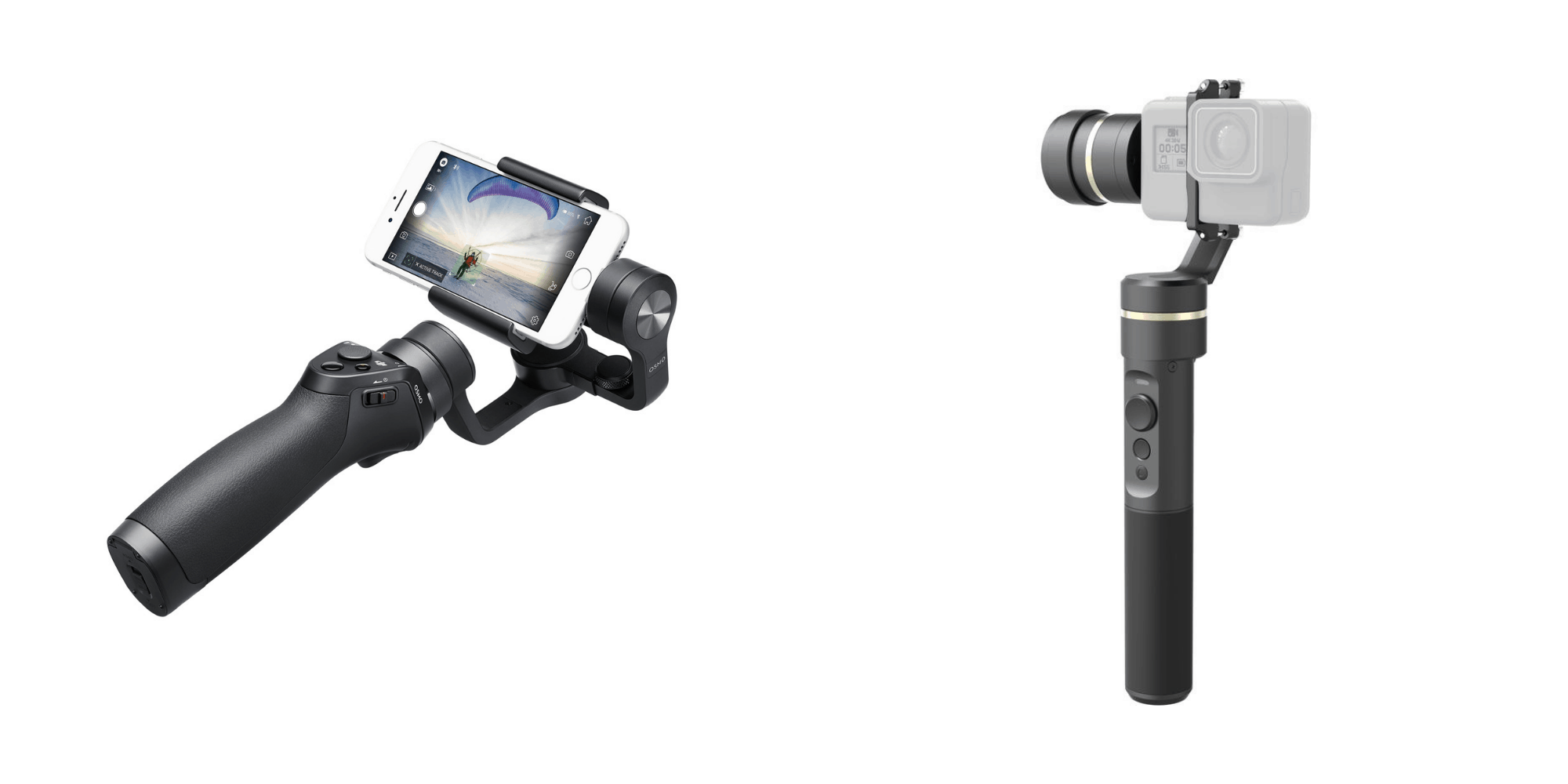
Handheld gimbals are the most common type. They are small and easy to carry. These gimbals stabilize cameras during walking or moving shots. Perfect for vloggers and filmmakers who need smooth footage on the go. They work well with smartphones and small cameras.
Wearable Gimbals
Wearable gimbals attach to the body or gear. They allow hands-free filming while you move. Ideal for action shots, sports, and adventure filming. These gimbals keep the camera steady during fast movements. They are lightweight and built for active use.
Drone-mounted Gimbals
Drone-mounted gimbals hold cameras on drones. They stabilize aerial shots for clear and smooth videos. These gimbals help capture wide views and dynamic angles. Essential for drone photographers and filmmakers who want steady footage in the sky.

Credit: www.feiyu-tech.com
Choosing The Right Gimbal
Choosing the right gimbal is key for smooth and stable videos. It depends on what camera you have, how much you want to carry, and how long you need it to work. Picking the right features helps you get the best results without extra hassle. Here are some important points to think about.
Compatibility With Cameras
Check if the gimbal works with your camera model. Not all gimbals fit every camera. Some support only smartphones, while others work with DSLRs or action cameras. Make sure the gimbal holds your camera securely. Also, check the maximum weight it can carry. Using a gimbal with the wrong camera can cause poor balance and shaky shots.
Weight And Portability
Think about how often you will carry your gimbal. A lightweight and compact gimbal is easier to take on trips. Bigger gimbals may offer more features but can be heavy and hard to carry. A portable design helps you shoot smoothly for longer without getting tired. Choose a size and weight that fits your needs and travel style.
Battery Life And Controls
Battery life matters for long shooting sessions. Look for gimbals with batteries that last several hours. Some models allow you to swap batteries for continuous use. Easy-to-use controls let you adjust settings quickly while filming. Check if the buttons and joystick are comfortable and respond well. Good control design improves your filming experience.
Using A Gimbal Effectively
Using a gimbal effectively helps create smooth and steady video footage. It reduces shaky movements and makes your shots look professional. Understanding how to operate and handle a gimbal can improve your filming skills quickly.
Practice and patience are key. Learning the basic tips and common techniques will help you get the most out of your gimbal. Knowing how to fix common issues will keep your filming session smooth.
Basic Operation Tips
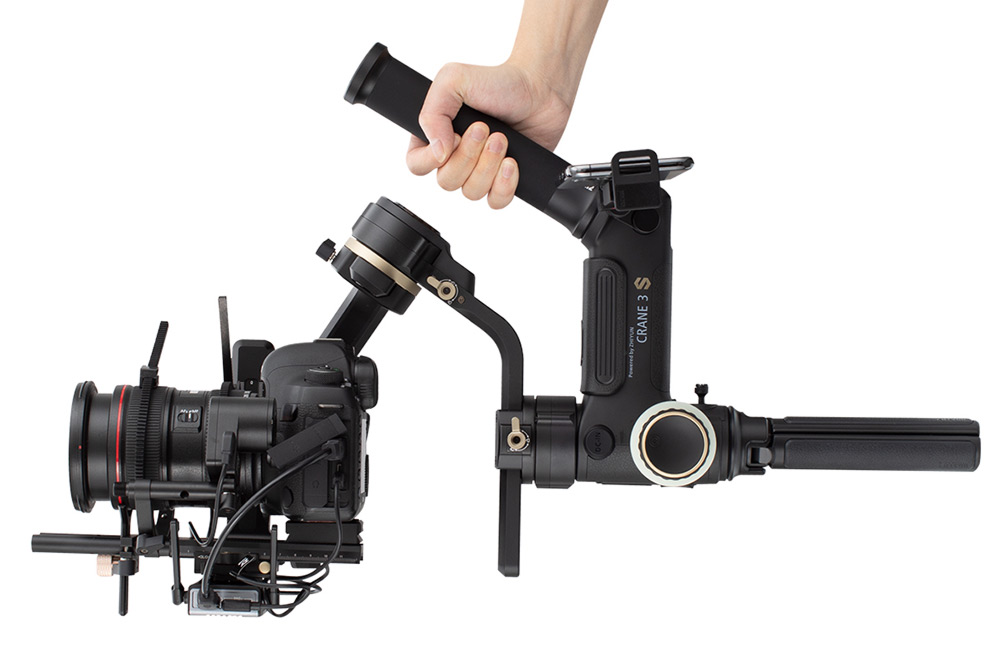
Hold the gimbal with a firm but relaxed grip. Keep your arms close to your body for stability. Balance the camera on the gimbal before turning it on. This helps the motors work well and saves battery life. Use slow and steady movements to avoid jerky footage. Practice moving smoothly in different directions.
Common Filming Techniques
Use tracking shots to follow your subject smoothly. Try panning by moving the gimbal left or right slowly. Use tilting to change the angle up or down gently. Combine movements for dynamic shots, like walking forward while panning. Try low-angle shots by holding the gimbal close to the ground. Experiment with these techniques to add variety to your videos.
Troubleshooting Common Issues
Check battery levels before filming to avoid sudden shutdowns. Rebalance the camera if the gimbal shakes or vibrates. Clean the motors and joints regularly to keep them smooth. Restart the gimbal if it does not respond. Update the firmware to fix bugs and improve performance. Keep spare batteries and cables handy during shoots.
Credit: www.parkcameras.com
Popular Gimbal Camera Brands
Popular gimbal camera brands offer reliable tools for smooth video shooting. These brands focus on stability, ease of use, and compatibility. Choosing a brand helps find the right balance of features and price. Many brands also provide accessories and strong customer support.
Top Models In The Market
DJI leads with models like the Ronin and Osmo series. These gimbals suit beginners and professionals alike. Zhiyun offers the Crane and Weebill lines, known for their compact design. FeiyuTech produces lightweight gimbals ideal for travel and vlogging. Each brand has models with different weight limits and features.
Price Vs Performance
Higher price often means better motors and more features. DJI models usually cost more but deliver excellent stabilization. Zhiyun provides good performance at mid-range prices. FeiyuTech targets budget users without sacrificing basic functions. Choose a gimbal that fits your budget and shooting needs.
Future Trends In Gimbal Technology
The future of gimbal technology looks bright and full of change. New features will make gimbals easier to use and more powerful. These advances help both beginners and experts capture smooth, stable videos. Gimbals will become smarter, last longer, and work in more places than before. Let’s explore the trends shaping this future.
Integration With Ai
Gimbals will use artificial intelligence to improve stability. AI can predict and correct shaky movements faster. It will track subjects automatically, keeping them in the frame. This makes filming easier without manual adjustments. AI will also help in editing by suggesting the best shots. Smart gimbals will offer better control and smoother videos.
Improved Battery Tech
Battery life will get longer with new technology. Users will shoot for hours without stopping to recharge. Faster charging options will reduce downtime significantly. Smaller, lighter batteries will make gimbals easier to carry. This helps filmmakers work in remote places without power. Energy-efficient parts will also extend battery life further.
Expanded Use Cases
Gimbals will be used beyond traditional filming. They will assist in sports, wildlife, and drone photography. New designs will suit different devices like smartphones and action cameras. Professionals in construction and inspection will adopt gimbals for stability. More industries will benefit from smooth, steady footage. Gimbals will become essential tools in many fields.
Credit: www.captureguide.com
Frequently Asked Questions
What Is A Gimbal Camera Used For?
A gimbal camera stabilizes video footage by reducing shake. It helps capture smooth, professional-quality videos, especially during movement or action shots.
How Does A Gimbal Camera Work?
A gimbal camera uses motors and sensors to keep the camera steady. It automatically adjusts to movements, ensuring stable and fluid video recording.
Why Choose A Gimbal Camera Over A Regular Camera?
Gimbal cameras offer superior stabilization, resulting in clearer, smoother videos. They are ideal for dynamic filming, unlike regular cameras prone to shake.
Can A Gimbal Camera Improve Smartphone Videos?
Yes, attaching a gimbal to a smartphone significantly reduces shakiness. It enhances video quality by providing smooth, steady shots during handheld recording.
Conclusion
A gimbal camera helps keep your videos smooth and steady. It moves with you, stopping shaky footage. This tool is great for beginners and pros alike. You can capture clear and stable shots easily. Using a gimbal makes videos look more professional.
It works well for travel, sports, and events. Anyone who wants better video quality should consider a gimbal. Simple to use, it improves your filming experience. Try one to see the difference in your videos.
As an Amazon Associate, I earn from qualifying purchases.
