
As an Amazon Associate, I earn from qualifying purchases.
Are you looking for a smart way to boost your home or business security? A PoE camera might be exactly what you need.
But what is a PoE camera, and why should you care? Imagine a security camera that gets power and sends video through just one cable—making installation easier and your setup cleaner. If you want to understand how this technology can save you time, money, and hassle, keep reading.
This article will break down everything you need to know about PoE cameras in simple terms, so you can make the best choice for your security needs.
Basics Of Poe Technology
Understanding the basics of PoE technology helps explain how PoE cameras work. PoE stands for Power over Ethernet. It allows devices to get power and data through one cable. This makes installation easier and less costly. PoE technology is common in security cameras, Wi-Fi access points, and other network devices.
PoE technology uses standard Ethernet cables to deliver both electricity and network data. This avoids the need for extra power wires or adapters. Many businesses and homes use PoE for better cable management and flexibility.
What Is Power Over Ethernet
Power over Ethernet (PoE) lets network cables carry electrical power. It sends power and data over a single cable. This saves money and time on wiring. PoE works with devices that need low voltage power.
Devices like IP cameras, VoIP phones, and wireless access points often use PoE. It makes setting up these devices simple and clean. No separate power sockets are needed near the devices.
How Poe Works
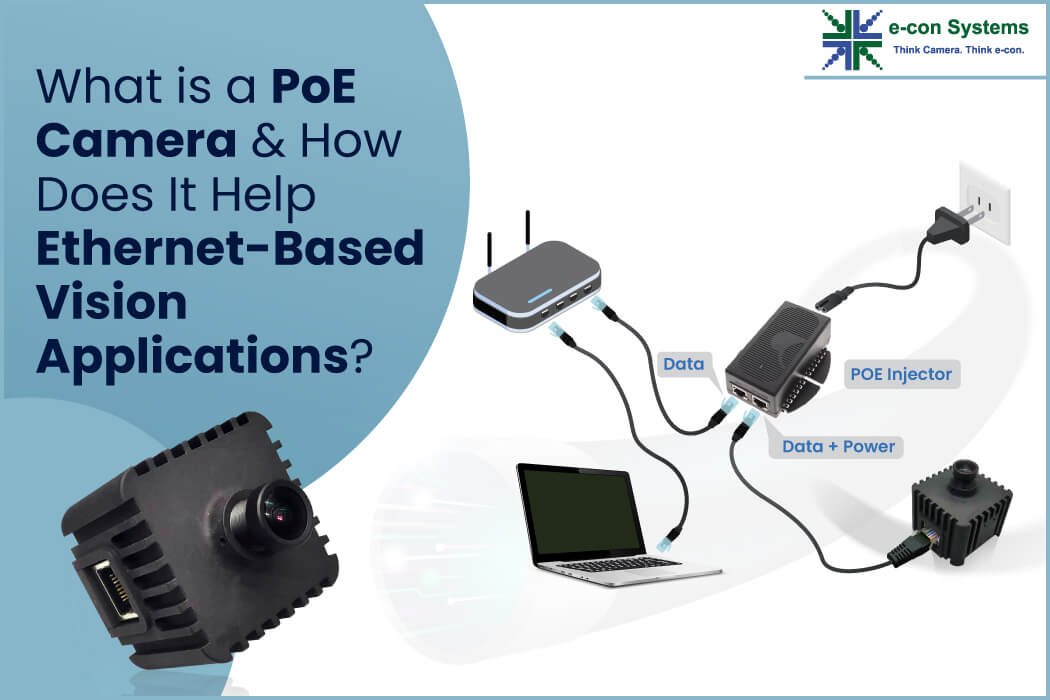
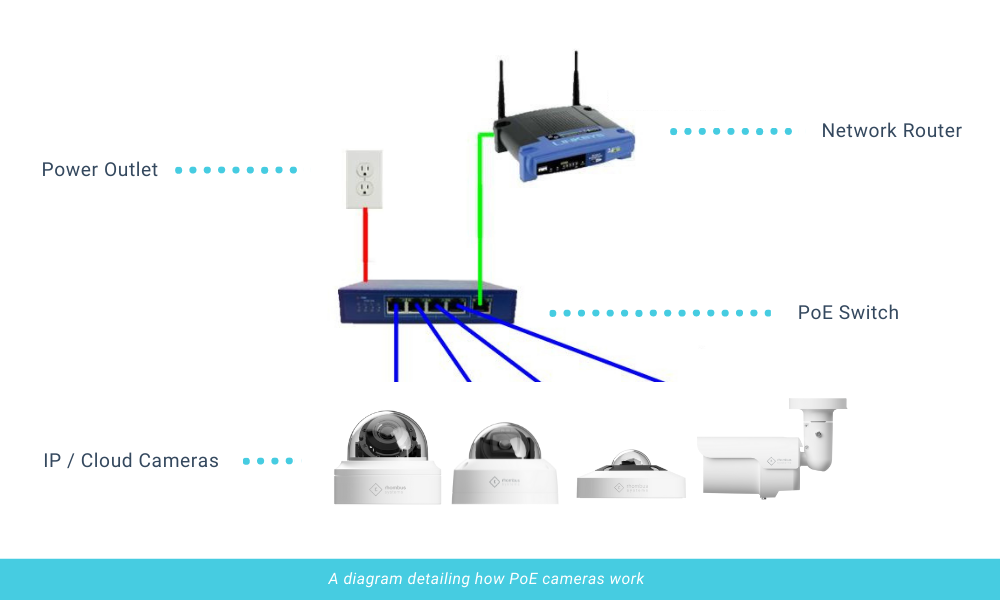
PoE uses standard Ethernet cables to send power and data. A PoE switch or injector sends electricity through the cable. The powered device receives both power and data at once.
The system checks if the device supports PoE before sending power. This prevents damage to devices without PoE support. Power levels adjust based on the device’s needs.
Types Of Poe Standards
Several PoE standards define power and data transmission. The main ones include IEEE 802.3af, 802.3at, and 802.3bt. Each standard provides different power levels.
802.3af delivers up to 15.4 watts per port. 802.3at, called PoE+, provides up to 30 watts. 802.3bt, or PoE++, supports up to 90 watts for high power devices.
Choosing the right standard depends on the device’s power needs. PoE cameras often use PoE+ for better performance and extra features.
Credit: www.edge-ai-vision.com
Features Of Poe Cameras
Poe cameras offer a smart way to keep your property safe. These cameras use special technology that makes them easy to install and reliable. Understanding their features helps you see why they are popular for security needs.
Power And Data Over One Cable
Poe cameras get power and send data through a single cable. This cable is called an Ethernet cable. It carries electricity and video signals together. This setup reduces the number of wires needed. It also lowers the risk of power failure.
Installation Benefits
Installing Poe cameras is simple and fast. You do not need separate power outlets near the camera. Just connect the camera to a Poe switch or injector. This saves time and money on wiring. It also makes the system cleaner and easier to manage.
Common Specifications
Many Poe cameras share similar specs. They often have high-resolution video quality, like 1080p or 4K. Night vision is common for clear images in the dark. Most support remote viewing from phones or computers. Weatherproof designs are usual for outdoor use.
Advantages Of Using Poe Cameras
PoE cameras offer several benefits that make them popular for security setups. They combine power and data through a single cable. This simplifies installation and reduces clutter. Many users find them reliable and cost-effective for various environments.
Simplified Wiring
PoE cameras use one cable for power and data. This cuts down on the number of wires needed. Fewer cables mean less confusion and easier setup. It also reduces the chance of connection errors. This is great for both new and existing systems.
Cost Efficiency
Using PoE cameras lowers installation costs. No need for extra power outlets near each camera. This saves money on electricians and materials. Maintenance is also cheaper with fewer cables to check. Overall, PoE systems offer good value for the price.
Flexibility In Placement
PoE cameras can be placed far from power sources. The single cable carries power directly from the network switch. This allows cameras in hard-to-reach spots. It also supports easy repositioning if needed. This flexibility helps cover wide areas effectively.

Credit: www.fastcabling.com
Applications Of Poe Cameras
Power over Ethernet (PoE) cameras offer many uses. They combine power and data in one cable. This makes installation easier and cheaper. PoE cameras work well in many places. They provide clear video and reliable connection. Below are key applications of PoE cameras.
Home Security Systems
PoE cameras help keep homes safe. They monitor entrances, yards, and driveways. Homeowners can watch live video on phones. PoE cables reduce clutter and need fewer wires. Cameras often have night vision for dark areas. Alerts notify owners of unusual activity immediately.
Business Surveillance
Businesses use PoE cameras to protect property. They watch over stores, offices, and warehouses. Managers check video remotely from any device. PoE provides stable power for many cameras. It lowers installation costs and maintenance issues. High-quality images help identify people and events.
Smart City Projects
PoE cameras support smart city efforts. They monitor traffic flow and public spaces. Cities use them to improve safety and control crowds. Cameras connect easily to city networks with PoE. They help detect problems and respond faster. Data from cameras aids city planning and management.
Setting Up A Poe Camera System
Setting up a PoE camera system is simpler than many think. It uses a single cable for power and data. This reduces clutter and eases installation. Knowing the right steps ensures a smooth setup. It also helps avoid common problems.
Required Equipment
Start by gathering all needed tools. You will need a PoE camera, a PoE switch or injector, and Ethernet cables. A monitor or computer is essential to view the camera feed. A mounting kit helps fix the camera in place. Basic tools like a drill and screwdriver are useful too.
Step-by-step Installation
First, connect the Ethernet cable to the PoE camera. Plug the other end into the PoE switch or injector. Next, connect the switch to your network router. Power on the PoE switch or injector. Mount the camera securely in the desired spot. Use the monitor or computer to access the camera’s settings. Adjust the angle and focus for the best view. Save the settings and check the live feed.
Troubleshooting Tips
If the camera does not power on, check cable connections. Ensure the PoE switch or injector is working. Confirm the Ethernet cable supports PoE. If the video feed is missing, verify network settings. Restart the camera and switch to reset connections. Look for firmware updates on the camera’s website. Clear any obstructions blocking the camera lens. These steps fix most common issues quickly.
Choosing The Right Poe Camera
Choosing the right PoE camera is important for clear and reliable security. Each camera offers different features. Understanding these features helps you pick the best one for your needs. Focus on resolution, connectivity, and budget. These factors affect your satisfaction and the camera’s performance.
Resolution And Image Quality
Resolution defines how clear the video looks. Higher resolution means sharper images. Common options include 720p, 1080p, and 4K. Choose a resolution that fits your space. Large areas may need higher resolution for detail. Image quality also depends on lighting and lens type. Some cameras work better in low light. Check if the camera has night vision or infrared features.
Connectivity And Compatibility
PoE cameras connect through a single Ethernet cable for power and data. Confirm your network supports PoE technology. Compatibility with your existing system is key. Cameras should work smoothly with your router and software. Some cameras need specific apps or platforms. Verify the camera supports your preferred system. Stable connectivity ensures continuous video streaming.
Budget Considerations
PoE cameras vary in price. Decide how much you want to spend. Higher-priced cameras often have better resolution and features. Cheaper cameras can still provide basic monitoring. Balance cost with what features you really need. Don’t spend extra on functions you won’t use. Consider long-term costs like installation and maintenance too.
Future Trends In Poe Technology
Power over Ethernet (PoE) technology is evolving fast. It changes how cameras get power and data through one cable. This growth will make PoE cameras smarter and more useful. The future holds many exciting trends that will improve PoE cameras and their uses.
Advancements In Power Delivery
New PoE standards will deliver more power through cables. This allows cameras to use better features without extra wires. High power means better image quality and longer cable distances. Devices will run cooler and more efficiently. This makes installations easier and cheaper.
Integration With Iot Devices
PoE cameras will connect more with Internet of Things (IoT) devices. They will work with sensors, alarms, and smart lighting. This creates smarter security systems. Cameras will share data with other devices for faster responses. This leads to better monitoring and control.
Enhanced Security Features
Security of PoE cameras will get stronger. New encryption methods will protect data from hackers. Cameras will have safer access controls. This helps keep video feeds private and secure. Users will trust PoE cameras more for sensitive areas.
Credit: www.rhombus.com
Frequently Asked Questions
What Is A Poe Camera?
A PoE camera is a network security camera powered by Ethernet cables. It simplifies installation by combining power and data transfer in one cable. This reduces wiring complexity and enhances reliability for surveillance systems.
How Does Poe Camera Work?
A PoE camera receives power and data through a single Ethernet cable. The cable connects to a PoE switch or injector, which supplies electricity and network access simultaneously. This technology allows easy setup without separate power adapters.
What Are The Benefits Of Poe Cameras?
PoE cameras offer easy installation, reduced wiring costs, and flexible placement options. They provide reliable power and data transmission over long distances. These cameras also support remote management and integration with modern IP surveillance systems.
Can Poe Cameras Work With Any Network Switch?
PoE cameras require a PoE-enabled switch or injector to receive power. Standard network switches cannot power PoE devices. Using compatible equipment ensures proper operation and prevents damage to the camera and network hardware.
Conclusion
A Poe camera offers a simple way to power and connect your security system. It uses one cable for both power and data. This reduces clutter and makes installation easier. Many homes and businesses choose Poe cameras for their reliability.
They provide clear images and steady connections. Understanding Poe cameras helps you pick the right security tools. Now, you can decide if this camera fits your needs. A smart choice for simple, effective surveillance.
As an Amazon Associate, I earn from qualifying purchases.
