
Imagine controlling your lights, thermostat, security cameras, and even your coffee maker—all from your phone, no matter where you are. A smart home system can make this possible, turning your house into a more comfortable, secure, and energy-efficient space.
But what exactly is a smart home system, and how can it change your daily life? Keep reading to discover how this technology can simplify your routines and bring convenience right to your fingertips.
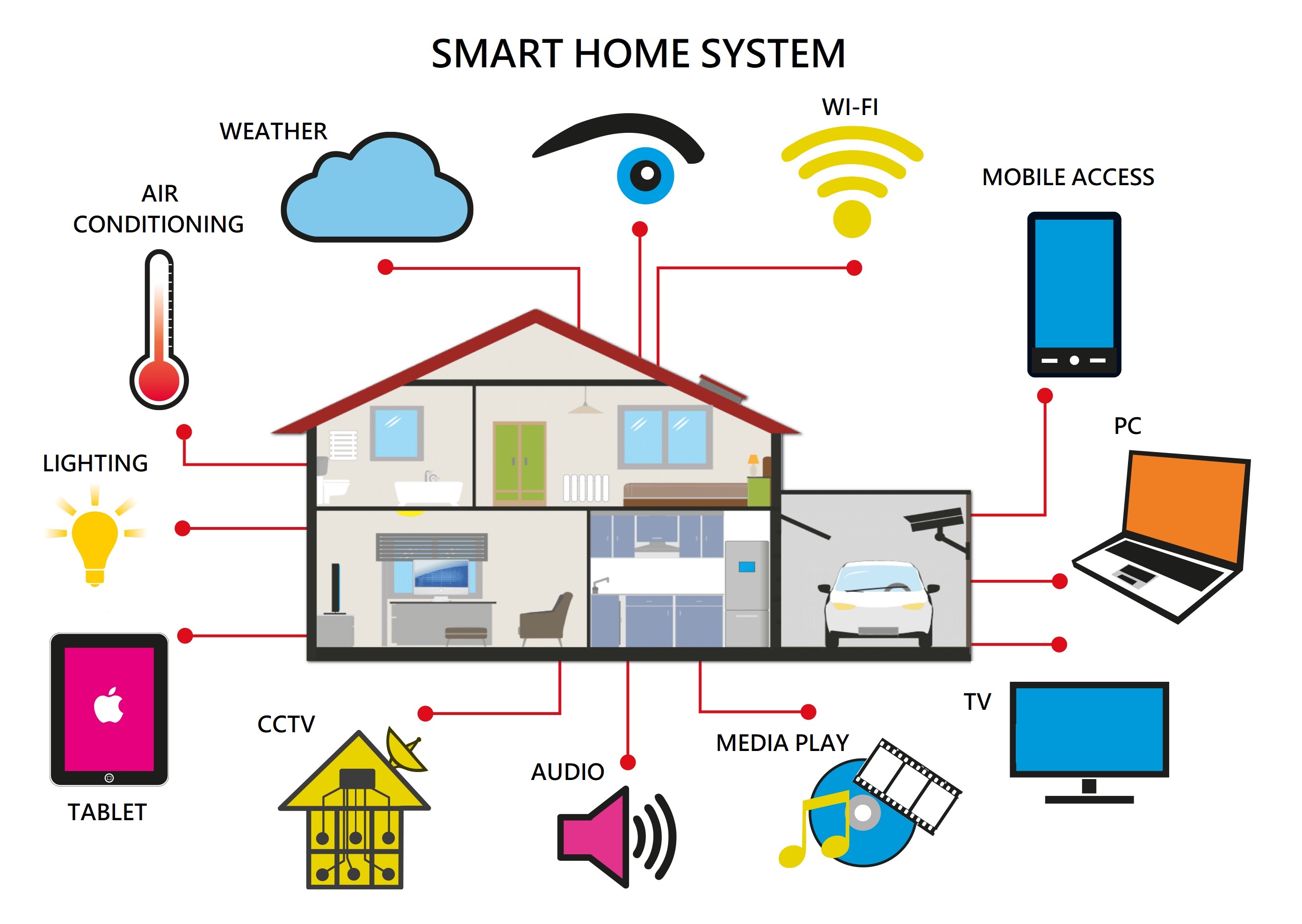
Credit: visioforce.com
Smart Home Basics
A smart home system makes daily life easier and safer. It connects devices in your house to work together. You control everything with a smartphone or voice commands.
Smart homes can save energy and protect your property. They offer comfort and convenience for everyone.
Core Components
Smart home systems have key parts. A central hub or controller connects all devices. Sensors detect changes like motion or temperature. Smart bulbs and plugs let you control lights and appliances. Cameras monitor your home remotely. Thermostats adjust heating and cooling automatically.
How It Works
Devices talk through Wi-Fi, Bluetooth, or Zigbee. The hub sends commands to devices. You use an app or voice assistant to control them. Sensors send data to the hub. The system reacts by turning devices on or off. It learns your habits to improve efficiency.
Popular Technologies
Wi-Fi is common for easy internet connection. Zigbee and Z-Wave create a secure mesh network. Voice assistants like Alexa, Google Assistant, and Siri enable hands-free control. Many systems support apps for remote access. Automation rules help devices work without manual input.
Key Benefits
Smart home systems bring many benefits to daily life. They make homes easier to manage and improve comfort. These systems also help save energy and keep homes safe. Understanding these benefits shows why smart homes are becoming popular worldwide.
Convenience And Comfort
Smart home systems let you control devices with your voice or phone. You can adjust lights, temperature, and music without moving. Scheduling devices to turn on or off suits your daily routine. This ease saves time and reduces effort every day.
Energy Efficiency
Smart systems monitor energy use and adjust devices automatically. They turn off lights and appliances when not needed. Smart thermostats keep the temperature just right. These actions lower energy bills and reduce waste.
Enhanced Security
Smart home systems include cameras, alarms, and sensors. They alert you about unusual activity immediately. You can check your home remotely anytime. This constant monitoring helps protect your family and belongings.
Popular Smart Devices
Smart home systems use devices that connect and work together. These devices make daily life easier and more comfortable. They control lights, temperature, security, and even play music. Many people add smart devices step by step, choosing what fits their needs.
Smart Speakers And Assistants
Smart speakers are popular in many homes. They play music and answer questions. Voice assistants like Alexa, Google Assistant, or Siri listen and respond. You can use them to set reminders or control other smart devices. Just speak a command, and they do the work.
Lighting And Thermostats
Smart lights let you change colors and brightness from your phone. You can schedule lights to turn on or off automatically. Smart thermostats help save energy by adjusting temperature. They learn your habits and keep your home comfortable. Controlling heat or cooling is easy, even from far away.
Security Cameras And Locks
Security cameras keep an eye on your home. You can watch live videos on your phone anytime. Some cameras send alerts if they detect movement. Smart locks let you lock or unlock doors remotely. You can give access to family or friends without keys. These devices add safety and peace of mind.
Setting Up Your System
Setting up your smart home system is the first step to a more convenient and secure living space. It requires a clear plan and the right tools. This section covers important points to help you start smoothly and avoid common problems.
Choosing Compatible Devices
Select devices that work well together. Check if they support the same platform or app. Popular systems include Google Home, Amazon Alexa, and Apple HomeKit. Pick products that match your main system for easy control. Avoid mixing too many brands, as this can cause issues. Focus on devices that meet your needs, like lights, locks, or cameras.
Network Requirements
A strong Wi-Fi network is essential. Most smart devices need constant internet connection. Use a router that covers your entire home. Consider upgrading to a dual-band or mesh network for better speed and range. Keep your network secure with a strong password. Avoid overcrowding your network with too many devices at once.
Installation Tips
Start with simple devices to get familiar with the setup process. Follow each device’s instructions carefully. Place devices in optimal locations for better performance. Test each device after installation to ensure it works correctly. Use the app provided by your system to customize settings. Regularly update device software to keep them secure and efficient.
Automation And Control
Automation and control are the heart of a smart home system. They let you manage your devices easily. You can control lights, locks, cameras, and more from one place. This makes daily tasks simple and saves time. Smart control adapts to your lifestyle and needs.
Voice Commands
Voice commands let you control devices without touching anything. Speak a command, and your smart home listens. Turn on lights, play music, or adjust the thermostat by talking. This hands-free control suits busy moments or when your hands are full.
Mobile Apps
Mobile apps give you control from anywhere. Use your phone or tablet to check and manage devices. Apps show real-time updates on your home’s status. Adjust settings, receive alerts, and monitor security with ease. It’s like having your home in your pocket.
Scheduling And Scenes
Scheduling lets devices work automatically at set times. Set lights to turn on at sunset or coffee to brew in the morning. Scenes combine multiple actions with one command. For example, a “Good Night” scene can turn off lights and lock doors. This adds comfort and peace of mind.
Privacy And Security
Smart home systems offer great convenience but raise important privacy and security questions. These systems collect data and control devices in your home. Protecting this information is key to keeping your home safe.
Understanding the risks and how to guard against them helps you enjoy smart tech without worry. Let’s explore the key points about privacy and security in smart homes.
Data Protection
Smart home devices collect personal data like voice commands and activity logs. This data can reveal your habits and routines. It is important that this information stays private and secure.
Good systems use strong encryption to protect data during transfer and storage. They also limit data access to authorized users only. Always check if your devices follow strict data protection rules.
Common Risks
Smart home devices can be targets for hackers. Weak passwords and outdated software increase these risks. Unauthorized access can lead to spying or control of your devices.
Data breaches may expose sensitive information. Some devices send data to cloud servers, which can be vulnerable. Poorly secured networks make hacking easier.
Best Practices
Use strong, unique passwords for each device. Regularly update device software to fix security flaws. Disable features you do not use to reduce risks.
Secure your home Wi-Fi with a strong password. Enable two-factor authentication if available. Review privacy settings and limit data sharing with third parties.
Future Trends
The future of smart home systems is full of exciting changes. Technology keeps evolving fast. Smart homes will become more helpful and easier to use. New trends are shaping how we live at home. These trends focus on making homes smarter, greener, and more connected.
Ai Integration
Artificial intelligence will play a bigger role in smart homes. Devices will learn your habits and adjust settings automatically. AI can control lighting, heating, and security without your commands. It makes homes more responsive and energy-efficient. Voice assistants will get smarter and understand natural speech better. AI helps predict needs before you ask.
Smart Home Ecosystems
More devices will work together smoothly. Smart home ecosystems connect gadgets from different brands. This allows better control from a single app or voice command. Ecosystems create a unified experience for users. Devices share data to improve functions and safety. The goal is seamless integration for easy management.
Sustainability Innovations
Green technology will be a key focus. Smart homes will use energy-saving devices and renewable sources. Systems will monitor water and electricity use closely. They help reduce waste and lower bills. Sustainable materials and designs will become common. Smart homes will support eco-friendly living with smart solutions.
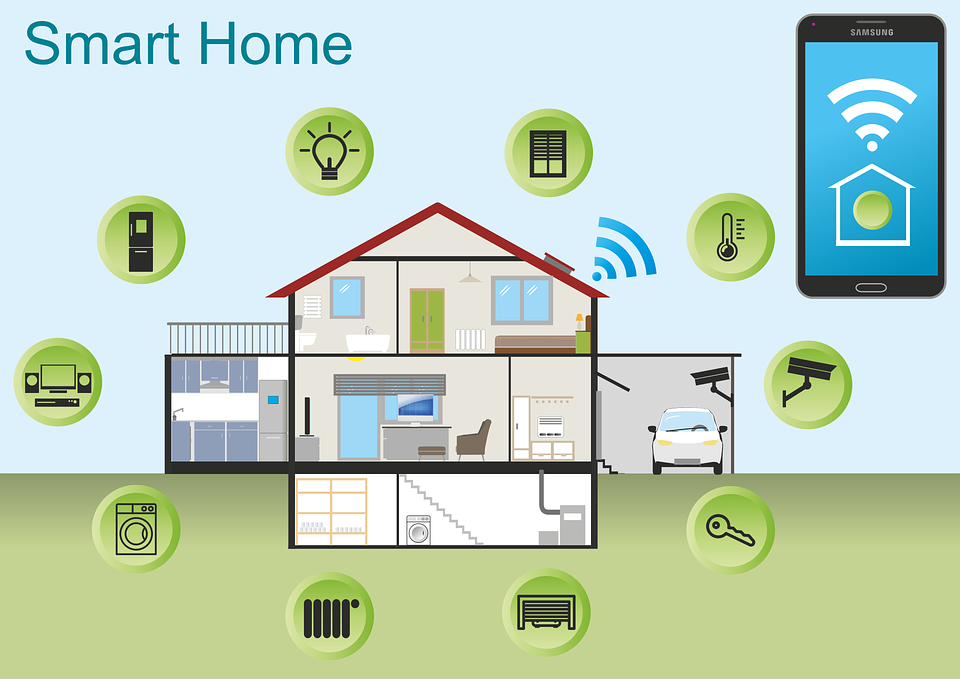
Credit: www.smartsecurity.guide
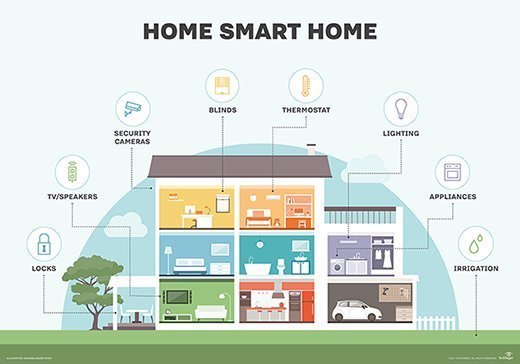
Credit: www.techtarget.com
Frequently Asked Questions
What Is A Smart Home System Used For?
A smart home system automates and controls home devices remotely. It enhances security, saves energy, and improves convenience. Users manage lights, thermostats, and security cameras from smartphones or voice assistants, making daily life easier and more efficient.
How Does A Smart Home System Improve Security?
Smart home systems enhance security by monitoring doors, windows, and cameras in real-time. They send instant alerts for unusual activities. Automated locks and motion sensors deter intruders, ensuring your home stays safe even when you’re away.
Can Smart Home Systems Save Energy And Reduce Bills?
Yes, smart home systems optimize energy usage by adjusting lighting and heating automatically. They detect occupancy and turn off devices when not needed. This efficient energy management lowers utility bills and reduces your environmental footprint.
Are Smart Home Systems Compatible With Voice Assistants?
Most smart home systems integrate seamlessly with popular voice assistants like Alexa, Google Assistant, and Siri. This allows hands-free control of devices using simple voice commands, improving user convenience and accessibility throughout the home.
Conclusion
A smart home system brings ease and comfort to daily life. It connects devices to work together smoothly. You can control lights, temperature, and security with a simple app. This technology saves time and energy. It helps make your home safer and more efficient.
Many find smart homes improve their lifestyle. Start small, and add features as you go. A smart home system fits many needs and budgets. It makes living at home more convenient and enjoyable.
As an Amazon Associate, I earn from qualifying purchases.

