
Imagine walking into your home and having the lights turn on just the way you like, the temperature set perfectly, and your favorite music playing—all without lifting a finger. That’s the power of smart home technology.
But what exactly is it, and how can it make your life easier, safer, and more comfortable? If you’ve ever wondered how to bring convenience and control right to your fingertips, this article will show you how smart home technology can transform your everyday living.
Keep reading to discover the simple secrets behind this amazing innovation and how it can work for you.
Credit: blog.swann.com
Smart Home Basics
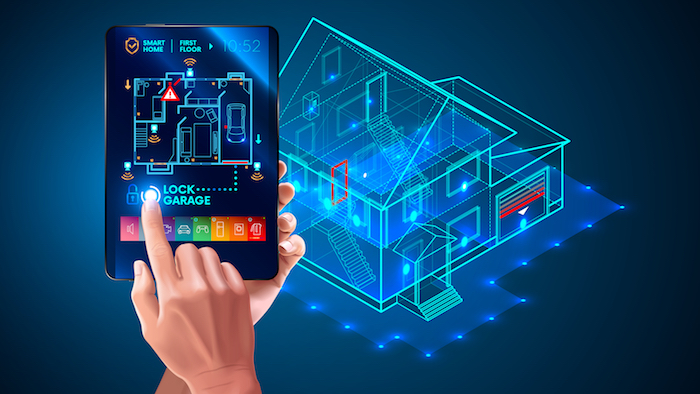
Smart home technology makes daily life easier and more convenient. It uses devices connected to the internet. These devices work together to control your home’s systems. This control can be done remotely or automatically. Understanding the basics helps you see how smart homes improve comfort and security.
Key Components
Smart home systems include many parts. The main components are smart devices, a hub, and a network. Smart devices include lights, thermostats, cameras, and locks. The hub connects all devices and lets them communicate. The network, usually Wi-Fi, links devices to the internet. Together, these parts create a connected home environment.
How It Works
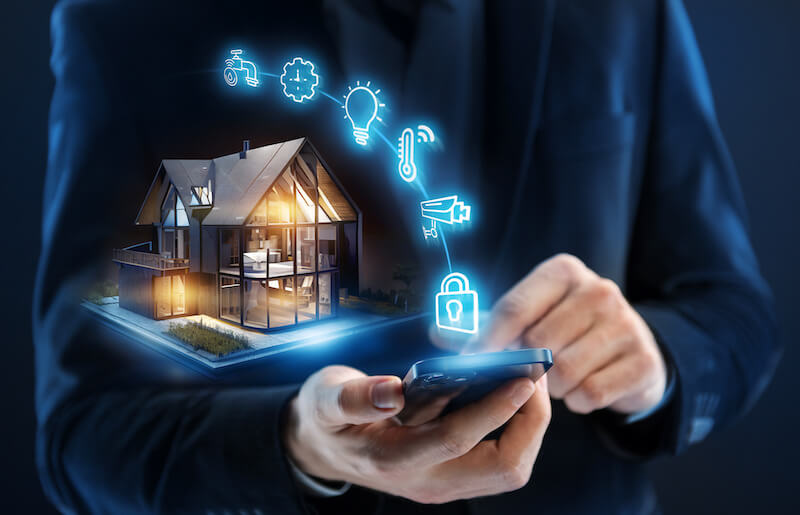
Smart home devices use sensors to collect data. This data tells devices what actions to take. You can control devices through apps on your phone or voice commands. The hub processes commands and sends signals to devices. Devices respond by turning on, off, or adjusting settings. Automation can also make devices work on schedules or triggers.
Credit: www.calgary.com
Popular Smart Devices
Smart home technology includes many devices designed to make life easier and safer. These devices connect to the internet and can be controlled remotely. They help manage your home’s lighting, security, temperature, and more. Popular smart devices have become common in many households. They improve comfort and save energy.
Smart Lighting
Smart lighting lets you control lights with a phone or voice. You can turn lights on or off from anywhere. Some lights change color or dim to fit your mood. They use less energy than traditional bulbs. Smart lighting adds convenience and saves money.
Security Systems
Smart security systems include cameras, sensors, and alarms. They send alerts to your phone if something unusual happens. You can watch live video of your home anytime. These systems make homes safer and give peace of mind. Many models are easy to install and use.
Thermostats
Smart thermostats adjust your home’s temperature automatically. They learn your schedule and preferences. This keeps your home comfortable without wasting energy. You can control the thermostat from your phone. Smart thermostats can lower heating and cooling costs.
Voice Assistants
Voice assistants respond to spoken commands. They can play music, answer questions, and control other smart devices. Popular voice assistants include Alexa, Google Assistant, and Siri. These tools make managing your smart home simple and hands-free.
Benefits Of Smart Homes
Smart home technology brings many benefits to everyday life. It makes homes easier to manage and more comfortable. This technology connects devices so you can control them from one place. It helps save energy and keeps your home safer. Smart homes offer real advantages that improve your daily routine.
Convenience And Control
Smart homes let you control lights, locks, and appliances remotely. You can use your phone or voice commands to manage devices. This saves time and effort. No need to get up to adjust settings. Everything works together smoothly for your comfort.
Energy Efficiency
Smart devices help reduce energy use. They turn off lights and heating when not needed. Smart thermostats learn your schedule and adjust temperatures automatically. This reduces waste and helps protect the environment. Lower energy use means a greener home.
Enhanced Security
Smart home technology improves safety at home. Cameras and sensors alert you about unusual activities. You can check your home anytime, from anywhere. Smart locks let you control who enters your house. This adds peace of mind and protects your family.
Cost Savings
Smart homes lower bills by reducing energy waste. Efficient heating and lighting cut monthly costs. Preventing damage with alerts saves repair expenses. Over time, smart technology pays for itself. It is an investment that saves money.
Setting Up A Smart Home
Setting up a smart home can feel exciting and a bit confusing. Smart home technology lets you control devices like lights, locks, and thermostats with ease. A well-planned setup makes your home safer and more comfortable. Start by understanding key steps. These help create a smooth, connected system.
Choosing The Right Hub
The hub is the brain of your smart home. It connects all devices and allows control through one app. Pick a hub that supports many devices. Popular hubs include Amazon Echo, Google Nest, and Apple HomePod. Check if the hub works with your phone. Choose one with a simple interface. This saves time and reduces hassle.
Device Compatibility
Not all smart devices work well together. Check if new devices match your hub. Look for devices that use the same communication method, like Wi-Fi or Zigbee. This ensures smooth operation. Avoid mixing brands that do not support each other. Compatible devices create a stable and easy-to-manage system.
Installation Tips
Place your hub in a central spot. This improves signal strength to all devices. Follow the manufacturer’s instructions for each device. Use the app to connect and test devices one by one. Keep your home Wi-Fi strong and secure. Label devices for easy control. This keeps your smart home organized and efficient.
Challenges And Considerations
Smart home technology offers many benefits. It can make life easier and more comfortable. Still, there are challenges to think about before using these systems. Understanding these issues helps you make better choices. Here are some key challenges and considerations.
Privacy Concerns
Smart devices collect a lot of personal data. This information can include your habits and daily routines. If not protected well, hackers might access this data. Privacy risks increase with more connected devices. Users must check privacy policies and device security features.
Technical Issues
Smart home systems depend on reliable internet connections. Interruptions can cause devices to stop working. Some devices may not work well together due to compatibility problems. Software updates are needed to fix bugs and add features. Technical support can be hard to find or slow.
Cost Factors
Setting up a smart home can be expensive. Devices and installation costs add up quickly. Some products require monthly subscriptions for full use. Maintenance and repair costs also affect the budget. Planning costs ahead helps avoid surprises later.

Credit: bdtechtalks.com
Future Of Smart Home Tech
The future of smart home technology holds exciting changes. Homes will become more connected and intelligent. Devices will work together smoothly to make life easier. Energy use will be smarter and more efficient. This section explores key trends shaping smart homes ahead.
Ai Integration
Artificial intelligence will play a bigger role in smart homes. AI can learn your habits and adjust settings automatically. It will help control lighting, temperature, and security. Voice assistants will become more natural and responsive. AI will also predict needs, saving time and effort.
Improved Connectivity
Faster and stronger internet will improve smart home systems. Devices will connect more reliably and instantly. 5G and Wi-Fi 6 will reduce delays and interruptions. More devices can work together without slowing down. This will make managing your home technology smoother.
Sustainability Trends
Smart homes will focus on saving energy and reducing waste. Systems will monitor energy use and suggest changes. Solar panels and battery storage will become common. Smart homes will help lower electricity bills and carbon footprints. This trend supports a greener and cleaner lifestyle.
Frequently Asked Questions
What Is Smart Home Technology Used For?
Smart home technology automates daily tasks for convenience, security, and energy efficiency. It controls lighting, heating, security cameras, and appliances remotely via apps or voice commands.
How Does Smart Home Technology Improve Security?
It enhances security with real-time alerts, remote monitoring, and automated locks. Users can control alarms, cameras, and sensors from anywhere, reducing risks and improving home safety.
Can Smart Home Devices Save Energy?
Yes, smart devices optimize energy use by adjusting lighting and temperature based on occupancy. This reduces utility bills and lowers environmental impact through efficient energy management.
Are Smart Home Systems Easy To Install?
Most smart home devices are user-friendly and designed for DIY installation. They typically connect via Wi-Fi and come with apps for straightforward setup and management.
Conclusion
Smart home technology makes life easier and safer. It lets you control devices from anywhere. You can save energy and time daily. Many gadgets work together smoothly for comfort. This technology grows more common each year. It fits many lifestyles and budgets.
Smart homes bring convenience to everyday living. Simple steps can start your smart home journey. Embrace the future with smart home tools. Your home can be smarter, one device at a time.
As an Amazon Associate, I earn from qualifying purchases.

