If you own a Ford F150 or are thinking about buying one, you might have heard the term IWE come up during conversations about the truck’s four-wheel-drive system. To many, it’s a mysterious acronym that can cause confusion, especially when discussing repairs or common F150 issues. But understanding what an IWE is, how it works, and why it matters can help you keep your truck running smoothly and avoid costly mistakes.
What Does Iwe Mean On A Ford F150?
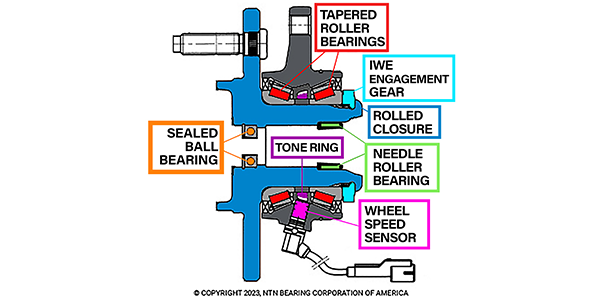
IWE stands for Integrated Wheel End. This is a special system in many modern Ford F150 trucks, especially models from 2004 onwards. The IWE system is designed to control when the front wheels of your F150 engage with the front axle. In simple terms, it helps your truck switch between two-wheel drive (2WD) and four-wheel drive (4WD) more efficiently.
The main idea behind IWE is to improve fuel economy and reduce wear on the front drivetrain when you are not using 4WD. It does this by disconnecting the front wheels from the axle when in 2WD mode, so the front axle and driveshaft don’t spin needlessly.
How The Iwe System Works
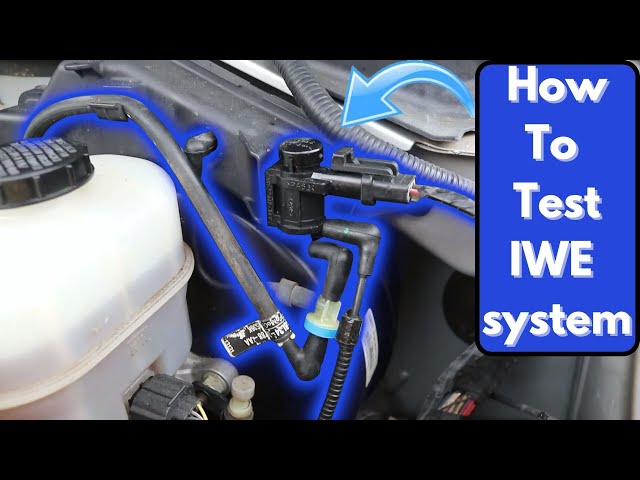
The IWE system uses a combination of vacuum lines, solenoids, and actuators to connect or disconnect the front wheels from the axle. When your truck is in 2WD, vacuum pressure pulls on the IWE actuators, disengaging the front hubs from the axle. When you shift into 4WD, the vacuum is released, and the hubs lock into the axle, giving you power at all four wheels.
Here’s a simple breakdown:
- 2WD Mode: Vacuum is applied, actuators disengage the hubs.
- 4WD Mode: Vacuum is removed, hubs are engaged.
This system is automatic and controlled by the truck’s computer. You don’t need to get out and turn any manual hubs, as was needed in older 4WD systems.
Credit: www.youtube.com
Key Parts Of The Iwe System
To understand the IWE fully, let’s look at the main components:
- IWE Actuator: A small part mounted at each front wheel, responsible for locking or unlocking the hub.
- Vacuum Lines: Tubes that carry vacuum pressure from the engine to the actuators.
- Solenoid: A valve that controls when vacuum is sent to the actuators.
- Front Hubs: The part of the wheel assembly that locks or unlocks with the axle.
- Check Valve: Prevents engine vacuum loss if there’s a leak.
If any of these parts fail, it can lead to problems with your four-wheel-drive system.
Why Ford Uses The Iwe System
The main reason Ford developed the IWE system is to save fuel. When the front wheels are disconnected in 2WD, there’s less resistance inside the drivetrain, so the engine doesn’t have to work as hard. Tests have shown that this can improve fuel economy by up to 1 mile per gallon, which adds up over time.
Another reason is reduced wear and tear. By letting the front axle and driveshaft rest when not in use, you can expect less maintenance and longer life from these parts.
Common Iwe Problems In Ford F150 Trucks
While the IWE system has benefits, it’s also known for a few common issues, especially as the truck ages. The most frequent problems include:
- Vacuum Leaks: If the lines crack or disconnect, the system can’t hold vacuum, causing the hubs to partially engage. This leads to a “grinding” noise at the front wheels, especially during acceleration.
- Failed Actuators: Dirt or water can damage the actuators, making it impossible to engage or disengage the hubs.
- Bad Solenoid: If the solenoid fails, you may be stuck in 2WD or 4WD, or the system might not switch modes properly.
- Worn Hubs: Over time, the hub mechanism can wear out, leading to poor engagement and possible loss of 4WD capability.
Example Of A Common Issue
Suppose you hear a loud clicking or grinding from the front wheels when you accelerate. This usually points to a vacuum leak in the IWE system. It’s a sound that’s hard to miss and often confuses new F150 owners, who might think the issue is with the brakes or suspension.
Diagnosing Iwe Issues
Catching IWE problems early can save you time and money. Here are some signs to watch for:
- Grinding or Clicking Noises: Especially during acceleration or deceleration.
- 4WD Not Engaging: Truck stays in 2WD or gets stuck in 4WD.
- Vibration at the Front End: Caused by partially engaged hubs.
- Check Engine Light: Sometimes related codes can appear.
If you notice these symptoms, a mechanic can check for vacuum leaks using a handheld vacuum pump, inspect solenoids, or test actuators.
Iwe Vs. Traditional 4wd Systems
To better understand why Ford uses IWE, here’s a comparison with traditional manual hub 4WD systems.
| Feature | IWE System | Manual Hub 4WD |
|---|---|---|
| Engagement | Automatic (uses vacuum) | Manual (driver must lock hubs) |
| Fuel Efficiency | Better (front drivetrain disengaged in 2WD) | Lower (front drivetrain spins even in 2WD) |
| Maintenance | Vacuum leaks possible | Fewer vacuum issues, more mechanical wear |
| Convenience | Switch from inside cab | Must exit vehicle to lock/unlock hubs |
How To Maintain The Iwe System
Proper maintenance can help avoid most IWE failures. Here’s what you should do:
- Inspect Vacuum Lines: Check for cracks, loose connections, or blockages every oil change.
- Listen for Noises: If you hear grinding, act quickly.
- Keep Components Clean: Avoid driving through deep water or mud, as this can damage actuators.
- Replace Filters: The vacuum system may have small filters that need cleaning or replacement calm to prevent blockages.
Credit: www.brakeandfrontend.com
Repair Costs And What To Expect
If you need to repair or replace parts of the IWE system, costs can vary depending on the problem. Here’s a typical price range:
| Component | Estimated Cost (Parts & Labor) |
|---|---|
| Vacuum Line | $50 – $150 |
| IWE Actuator | $100 – $250 per re wheel |
| Solenoid | $80 – $200 |
| Hub Assembly | $350 – $600 per side |
Many DIY owners handle basic repairs themselves, but complex issues like internal hub failure should be handled by professionals.
Two Non-obvious Insights About The Iwe System
- IWE Problems Can Affect ABS and Traction Control: Many owners do not realize that a failing IWE can send false signals to the truck’s ABS (anti-lock braking system) or traction control. This happens because the computer thinks the wheels are spinning at different speeds due to partial engagement, leading to warning lights or strange braking behavior.
- Frequent Short Trips Can Cause Extra Wear: If you often take short trips and switch between 2WD and 4WD, your IWE system cycles more often. This can wear out actuators and solenoids faster than trucks used mainly on highways or in consistent driving conditions.

Credit: www.amazon.ae
When Should You Seek Professional Help?
If you’ve checked vacuum lines and still hear noises, or your truck will not shift out of 4WD, it’s best to see a qualified mechanic. Ignoring IWE issues can lead to more expensive repairs down the line, including damage to the differential or axle.
Frequently Asked Questions
What Does Iwe Stand For In A Ford F150?
IWE means Integrated Wheel End. It’s a system that allows the F150 to automatically engage or disengage the front wheels from the axle, switching running modes between 2WD and 4WD.
How Do I Know If My Iwe Is Failing?
Common signs include grinding noises, clicking sounds from the front wheels, or trouble switching between 2WD and 4WD. Sometimes, warning lights may also appear.
Is It Safe To Drive With A Bad Iwe?
It is possible, but not recommended. Driving with a faulty IWE can damage other parts like the axle or differential and may reduce your control, especially in bad weather.
Can I Replace Iwe Parts Myself?
If you have basic tools and some mechanical knowledge, you can replace simple parts like vacuum lines or the solenoid. For actuator or hub replacement, it’s better to consult a professional.
Where Can I Learn More About The Iwe System?
You can find more details on the official Ford F-Series Wikipedia page or by checking your F150’s owner’s manual.
Understanding the IWE system on your Ford F150 helps you keep your truck reliable and efficient. By recognizing the signs of trouble and knowing when to seek help, you can avoid costly repairs and enjoy the benefits of one of America’s most popular trucks for years to come.
As an Amazon Associate, I earn from qualifying purchases.