The Ford F-150 is one of the most popular trucks in the world. Drivers love its power, comfort, and versatility. But sometimes, technical terms can be confusing. One term you may see while learning about the Ford F-150 is IWE. If you want to understand your truck better, knowing what IWE means is important. This guide explains everything you need to know about IWE on the Ford F-150 in simple language.
What Is Iwe On Ford F-150?
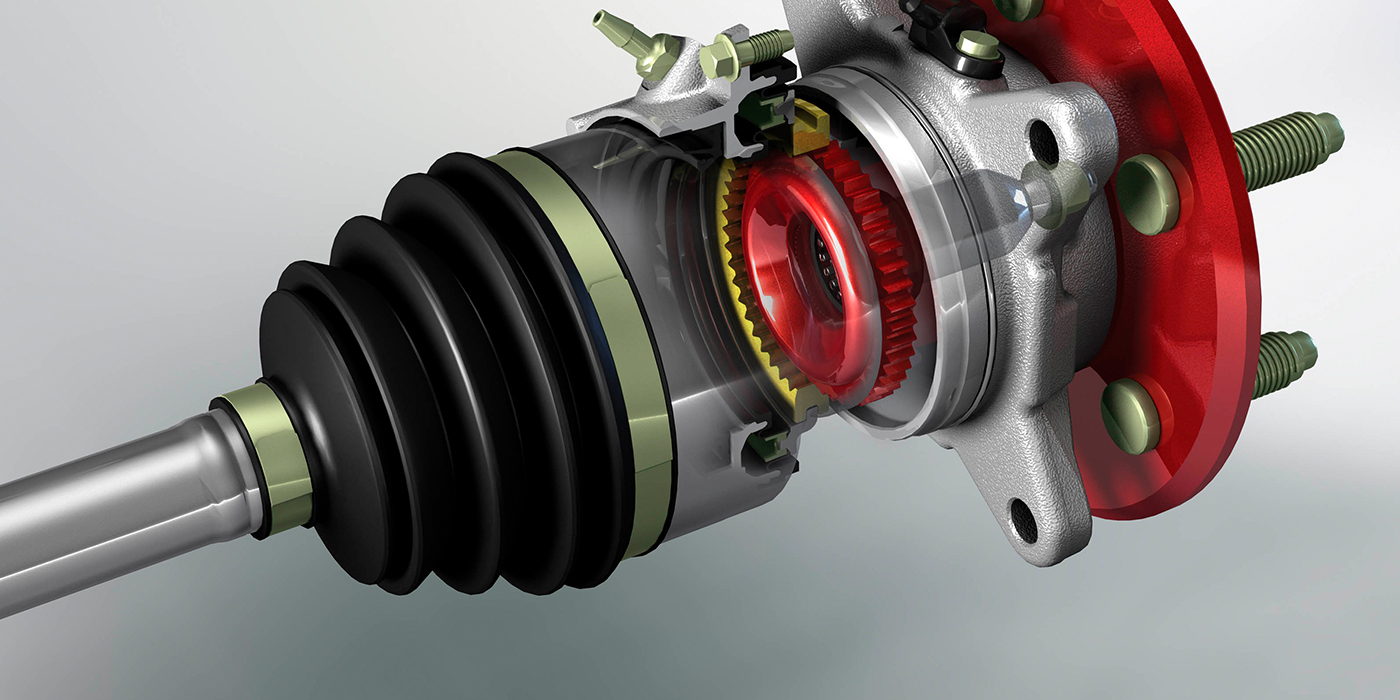
IWE stands for Integrated Wheel End. It is a part of the F-150’s four-wheel drive (4WD) system. The IWE system helps your truck switch between two-wheel drive (2WD) and four-wheel drive (4WD) smoothly. Many people do not realize that this is different from older systems that use manual locking hubs.
The main job of IWE is to engage and disengage the front wheels from the front axle. This allows the truck to save fuel when 4WD is not needed and gives you extra traction when you do need it.
How Does The Iwe System Work?
The IWE system uses vacuum pressure to control hubs located at the ends of the front axles. Here’s how it works:
- When you drive in 2WD, the IWE system uses vacuum to disconnect the front wheels from the axle. The wheels spin freely, which saves fuel and reduces wear.
- When you switch to 4WD, the vacuum is released. This locks the front wheels to the axle, so power goes to all four wheels.
This process happens quickly, so you don’t have to stop the truck or get out to turn a knob. It’s automatic and controlled from inside the cab.
Credit: www.brakeandfrontend.com
Key Parts Of The Iwe System
The IWE system is made up of several important parts:
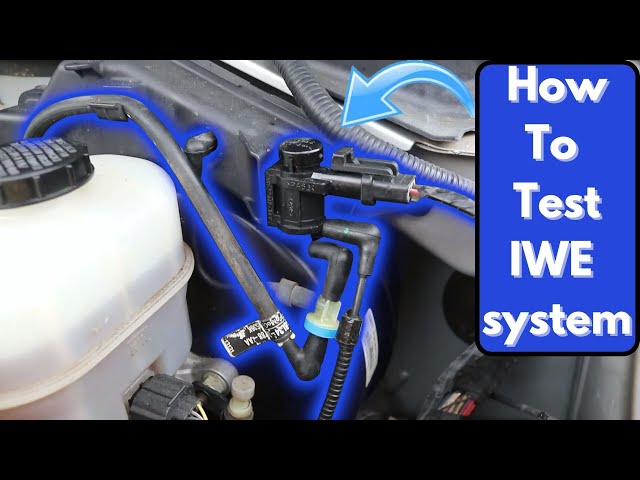
- IWE solenoid: Controls the vacuum that activates the hubs.
- Vacuum lines: Carry vacuum pressure to and from the hubs.
- IWE actuators: Located at each wheel, they lock or unlock the hubs.
- Check valve: Keeps vacuum from leaking back into the system.
If any of these parts fail, you might notice problems with your KeF-150’s 4WD system.
Why Ford Uses Iwe Instead Of Manual Hubs
Older trucks often had manual locking hubs. Drivers had to get out of the truck and turn a knob on each wheel to switch to 4WD. This was slow and not always convenient.
The IWE system gives you:
- Faster switching between 2WD and 4WD
- Better fuel economy when 4WD isn’t needed
- Less wear on the front axle when in 2WD
Ford chose the IWE system to make the F-150 easier to drive and more efficient.
Credit: www.youtube.com
Common Iwe Problems And Symptoms
Even though the IWE system is helpful, it can develop problems over time. Here are some common symptoms that may show an IWE issue:
- Grinding noise: Often noticed when switching between 2WD and 4WD or when accelerating.
- Clicking or popping: Can mean the IWE actuator is not locking or unlocking fully.
- 4WD not engaging: If the vacuum lines or solenoid fail, your truck may not shift into 4WD.
- Vacuum leaks: Can cause constant noise from the wheels or make the system fail to switch modes.
Iwe Failure Vs. Other 4wd Issues
It’s important to know if a problem is really with the IWE system or another 4WD part. For example, transfer case issues often cause different symptoms, such as the truck not moving at all in 4WD.
Here’s a quick comparison:
| Problem | Likely IWE Issue | Likely Transfer Case Issue |
|---|---|---|
| Grinding noise from front wheels | Yes | No |
| Truck will not move in 4WD | No | Yes |
| Clicking during acceleration | Yes | No |
How To Check And Fix Iwe Problems
If you notice any of the above symptoms, you can do a basic check before visiting a mechanic:
- Listen for noises: Pay attention to when you hear grinding or clicking—only in 2WD, only in 4WD, or both.
- Inspect vacuum lines: Look for cracked or loose hoses under the hood.
- Test 4WD operation: Try switching from 2WD to 4WD while parked and driving slowly.
Most IWE problems are related to vacuum leaks or a faulty solenoid. Replacing a vacuum line or the solenoid is often cheaper than fixing other 4WD issues.
Here is a comparison of common IWE fixes and their costs:
| Repair | Average Cost (USD) | DIY Difficulty |
|---|---|---|
| Replace vacuum line | $20-$50 | Easy |
| Replace IWE actuator | $100-$200 | Moderate |
| Replace IWE solenoid | $40-$80 | Easy |

Credit: www.amazon.ae
How Iwe Affects Driving And Maintenance
The IWE system offers benefits but also requires proper care:
- Regular inspection: Check vacuum lines for cracks or leaks every oil change.
- Keep system clean: Avoid deep water or mud, which can damage actuators and vacuum lines.
- Use 4WD regularly: This keeps parts lubricated and functioning.
One non-obvious tip: If you often hear noise after heavy rain or car washes, water may be getting into the IWE system. Dry out the connectors and lines to prevent future problems.
Upgrades And Alternatives
Some F-150 owners choose to upgrade or bypass the IWE system. Reasons include:
- Off-roading: Manual locking hubs can be more durable for rough terrain.
- Long-term reliability: Some prefer simpler systems that don’t use vacuum.
However, for most drivers, keeping the original IWE system is best for ease of use and fuel savings.
Here’s a quick look at IWE vs. manual hubs:
| Feature | IWE System | Manual Hubs |
|---|---|---|
| Switching method | Automatic | Manual (outside truck) |
| Fuel efficiency | Better in 2WD | Similar |
| Maintenance | More parts to check | Simpler |
If you are considering changes, speak with a trusted mechanic or visit the Ford F-Series Wikipedia page for more details.
Frequently Asked Questions
What Does Iwe Mean On A Ford F-150?
IWE stands for Integrated Wheel End. It is a system that connects or disconnects the front wheels from the axle using vacuum pressure, helping the F-150 switch between 2WD and 4WD.
How Do I Know If My Iwe System Is Bad?
Common signs are grinding or clicking noises from the front wheels, especially when switching drive modes, or if 4WD does not work when engaged.
Can I Drive With A Failed Iwe System?
You can usually drive, but you may hear noises, have reduced fuel efficiency, or cause more damage over time. It’s best to repair IWE issues soon.
Is Iwe Better Than Manual Locking Hubs?
For most drivers, IWE is more convenient and fuel-efficient. Manual hubs can be stronger for off-roading but are less convenient for everyday use.
How Often Should I Check My Iwe System?
Check the IWE vacuum lines and listen for unusual noises at every oil change, or if you notice any 4WD problems.
Understanding the IWE system helps you take better care of your Ford F-150 and avoid unexpected repairs. With proper maintenance, the IWE system will give you smooth switching between 2WD and 4WD for many years.
As an Amazon Associate, I earn from qualifying purchases.