
Have you ever wished your smart home devices could work together seamlessly, without endless setup or compatibility issues? That’s where Matter Smart Home comes in.
It’s a new technology designed to simplify your life by making all your smart gadgets speak the same language. Imagine controlling your lights, thermostat, and security system effortlessly through one app or voice command. Curious how Matter can change your home experience?
Keep reading to discover what Matter Smart Home is and why it might be the upgrade your smart home needs.
Matter Smart Home Basics
Matter is a new standard for smart home devices. It aims to make devices work well together. This standard helps different brands connect easily. It simplifies setting up and controlling smart homes.
Understanding Matter basics helps you see its benefits. It focuses on security, reliability, and ease of use. Matter works across many devices and platforms.
Core Technology
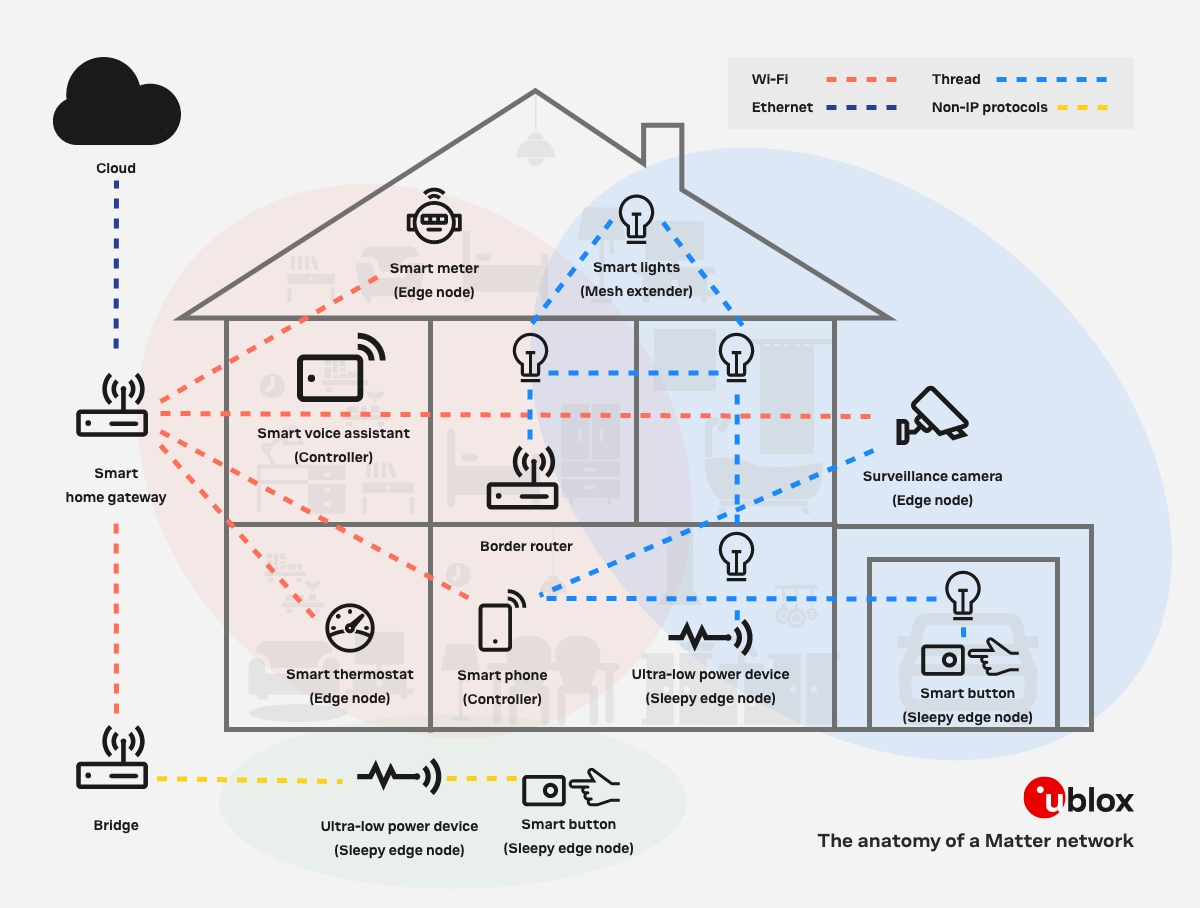
Matter uses IP-based communication to connect devices. It relies on existing internet protocols for smooth operation. This technology ensures devices speak the same language. It supports both Wi-Fi and Thread networks for better coverage. Security is built in with strong encryption methods.
Key Features
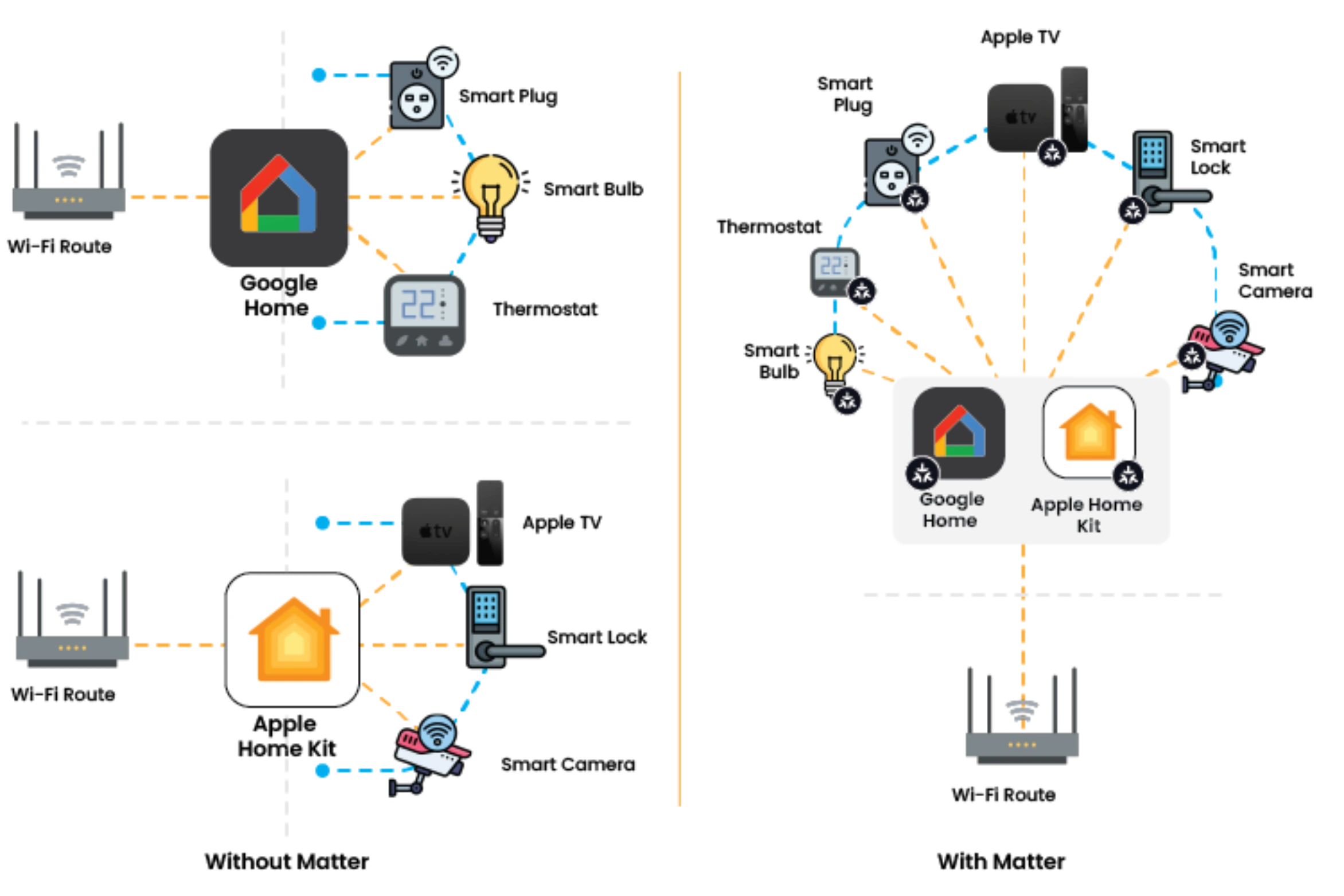
Matter offers simple device setup and control. It allows devices from different brands to work together. Users can manage smart homes from one app or voice assistant. The system improves device reliability and responsiveness. It also supports automatic updates to keep devices current.
Supported Devices
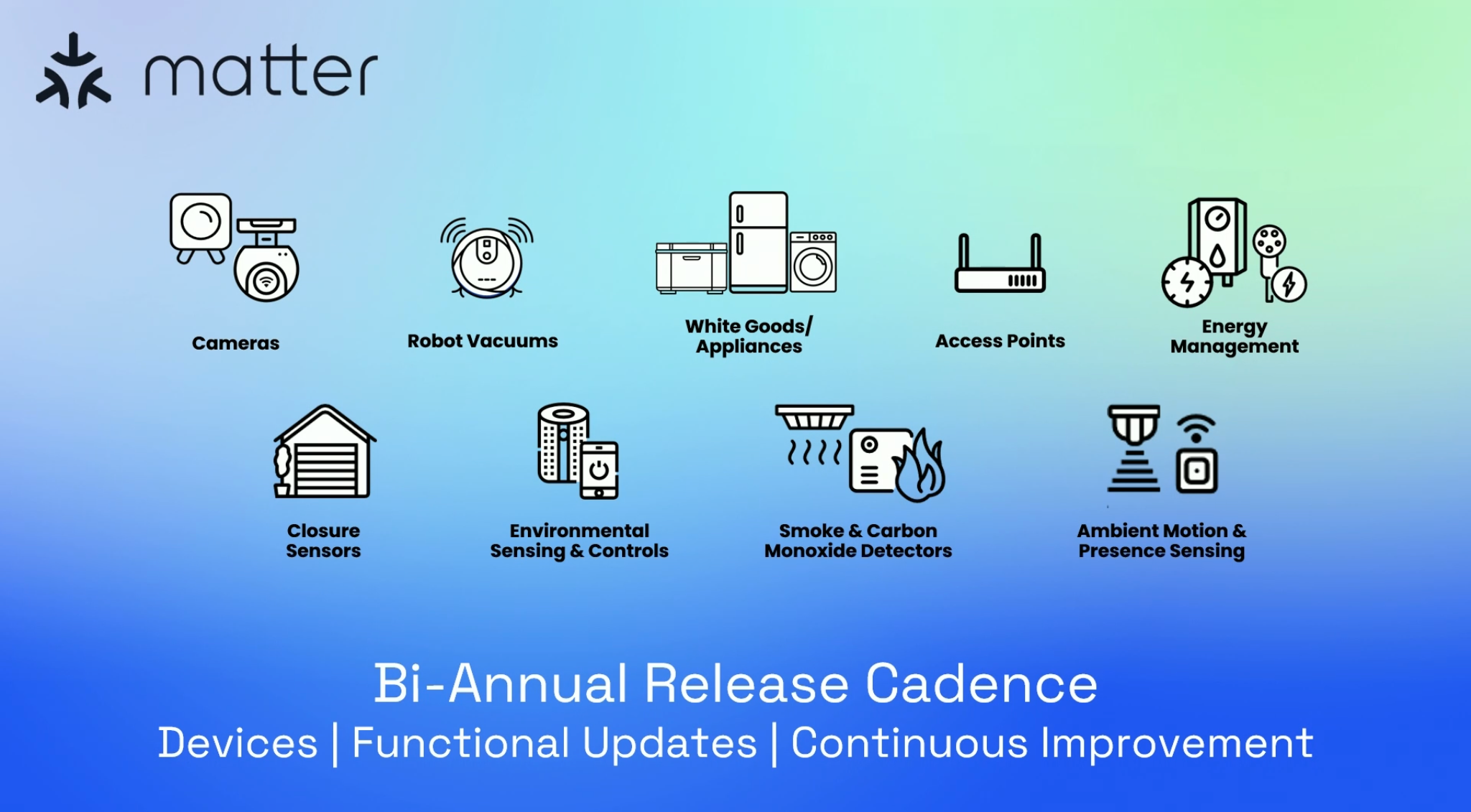
Matter supports lights, locks, thermostats, and sensors. It includes smart plugs, cameras, and doorbells too. Many major brands are adopting this standard. This wide support means more choices for consumers. It helps create a more connected and flexible smart home.
Credit: www.acldigital.com
Benefits For Homeowners
Matter Smart Home offers many benefits for homeowners. It makes smart devices work better together. It keeps your home safe and secure. Setup is quick and easy, saving time and effort.
Enhanced Compatibility
Matter ensures all smart home devices speak the same language. This means lights, locks, and sensors from different brands connect easily. No more worrying about which device works with what. Your smart home runs smoother and more reliable.
Improved Security
Matter uses strong security rules to protect your home. It keeps hackers out and your data safe. You get peace of mind knowing your devices are secure. Privacy is a top priority with Matter technology.
Simplified Setup
Setting up smart devices is fast and simple with Matter. It uses a clear and easy process for all devices. No confusing steps or special apps needed. You can add new devices without stress or delays.
Impact On Smart Home Ecosystem
The Matter Smart Home standard shapes the future of connected devices. It creates a more unified and simple smart home ecosystem. Users get better control and compatibility across brands. This change affects how devices communicate and work together.
Cross-brand Integration
Matter allows devices from different brands to connect easily. This means a smart light from one company can work with a smart speaker from another. Users no longer need separate apps for each device. This improves convenience and reduces confusion.
Developer Opportunities
Developers gain a common platform to build smart home products. They can create apps and devices that work with many brands. This lowers development costs and speeds up innovation. Developers can focus on making better features.
Future-proofing Homes
Matter supports new and existing devices for years to come. It ensures homes stay updated without replacing all technology. Users can add new products without worrying about compatibility. This saves money and effort over time.
Setting Up Matter Smart Home
Setting up a Matter smart home is easier than ever. The Matter standard helps different devices work together smoothly. This section guides you through the key steps to get started with your smart home devices.
Device Requirements
Choose devices that support the Matter protocol. Look for the Matter logo on packaging or product details. Devices need Wi-Fi, Thread, or Ethernet connectivity. Your smartphone or tablet should run the latest app versions. A compatible smart home hub or controller may be necessary.
Installation Steps
Start by powering on your Matter-compatible device. Open the smart home app on your phone or tablet. Follow the app’s prompts to add a new device. Scan the QR code or enter the setup code manually. Assign the device to a room or group. Test the device to confirm it responds correctly.
Troubleshooting Tips
Check if the device is powered and connected properly. Restart the device and your smartphone if needed. Ensure your app and device firmware are up to date. Reset the device and try adding it again. Look for interference or weak signal issues. Consult the device manual for specific advice.
Comparing Matter To Other Protocols
Matter is a new smart home protocol designed to make devices work better together. It aims to create a simple and reliable way to connect smart devices from different brands. Comparing Matter with older protocols helps understand its strengths and limits. This section explains how Matter differs from Zigbee, Z-Wave, Wi-Fi, and Bluetooth.
Zigbee Vs Matter
Zigbee uses a mesh network to connect smart devices. It helps devices talk to each other over short distances. Matter also supports mesh networking but adds a standard way for devices to communicate. Matter works over IP, making it more compatible with internet networks. Zigbee needs special hubs, but Matter can connect directly to your home Wi-Fi. This means less setup and fewer devices needed.
Z-wave Vs Matter
Z-Wave is similar to Zigbee with a focus on home automation. It uses low energy and a mesh network for reliable connections. Matter supports more device types and uses standard internet protocols. Z-Wave requires specific hubs and chips, while Matter works across many devices without extra hardware. Matter’s open standard encourages wider use and easier integration.
Wi-fi And Bluetooth Roles
Wi-Fi connects devices to the internet with fast speeds but uses more power. Bluetooth is great for short-range, low-energy connections between devices. Matter uses both Wi-Fi and Thread, a low-power mesh protocol based on IPv6. This helps devices stay connected efficiently. Bluetooth mainly helps in setup and initial pairing of devices in Matter’s system.
Credit: www.u-blox.com
Challenges And Limitations
Matter Smart Home aims to unify smart devices across brands. Still, it faces several challenges and limitations. These issues slow down adoption and affect user trust. Understanding these hurdles helps users and developers prepare better.
Adoption Barriers
Many users hesitate to switch to Matter due to device compatibility. Older smart devices may not support the new standard. This creates confusion and slows down widespread use. Also, some manufacturers are slow to update their products. This delay limits the number of devices that work together smoothly.
Privacy Concerns
Smart homes collect a lot of personal data. Users worry about how companies handle this information. Matter tries to improve security but cannot guarantee full privacy. Data breaches or misuse remain a risk. People want clear rules on data use and protection. Trust is essential for users to feel safe with smart devices.
Technical Constraints
Matter relies on stable internet and strong network connections. Poor Wi-Fi or network issues can disrupt smart home functions. The technology also has limits on device range and speed. Some devices may lag or disconnect often. These technical problems reduce the smooth experience users expect. Developers continue working to improve these aspects.
Future Trends In Connected Living
The future of connected living is bright and full of promise. Smart homes will grow smarter and more helpful. New technologies will change how we interact with our homes every day.
Matter Smart Home is at the center of these changes. It aims to make devices work better together. This will create a smoother and more reliable home experience for everyone.
Ai Integration
Artificial intelligence will play a bigger role in smart homes. AI can learn your habits and preferences quickly. It can adjust lighting, temperature, and security without you asking. This makes daily life easier and more comfortable.
Voice assistants will become smarter and more natural to talk to. They will understand context better and respond faster. AI will also help in predicting needs before they happen.
Energy Efficiency
Smart homes will focus more on saving energy. Devices will use power only when needed. Sensors and AI will work together to reduce waste. This helps lower electricity bills and protect the environment.
Homes will track energy use in real time. This gives homeowners clear data to make better choices. Smart thermostats, lights, and appliances will adjust automatically to save power.
Expanded Device Support
Matter will support many more devices than before. This means more brands and gadgets will work together. You can mix and match products without compatibility worries.
From smart locks to kitchen appliances, all can connect smoothly. This wide support creates a unified smart home network. Managing your devices will become easier and less confusing.
Credit: dunkels.com
Frequently Asked Questions
What Is Matter Smart Home Technology?
Matter Smart Home is a unified connectivity standard. It allows devices from different brands to work together seamlessly. This simplifies setup and improves smart home compatibility and security.
How Does Matter Improve Smart Home Device Compatibility?
Matter uses a common protocol. It enables devices from various manufacturers to communicate easily. This reduces fragmentation and ensures devices work smoothly with multiple platforms.
Which Devices Support Matter Smart Home?
Many smart lights, locks, thermostats, and sensors support Matter. Leading brands are adopting the standard. Compatibility is expanding rapidly across popular smart home products.
Is Matter Smart Home Secure To Use?
Yes, Matter prioritizes security. It uses strong encryption and authentication methods. This protects user data and prevents unauthorized device access.
Conclusion
Matter Smart Home makes managing devices easier and more reliable. It helps different brands work well together without extra effort. You get better control and security for your smart home. Setting up new devices becomes faster and simpler. This technology aims to create a smooth, connected living space for everyone.
Smart homes feel more natural and less confusing. Matter brings clarity to smart home choices and use. It’s a step toward a more comfortable and convenient home life.
As an Amazon Associate, I earn from qualifying purchases.

