
Have you ever wondered how electronic keyboards, computers, and music gear talk to each other so perfectly? The secret lies in something called Musical Instrument Digital Interface, or MIDI.
If you want to understand how your favorite digital instruments work together to create amazing sounds, learning about MIDI is the key. This article will break down what MIDI is, why it matters, and how it can unlock new possibilities for your music.
Keep reading, and you’ll discover the simple magic behind the music technology you use every day.

Credit: www.youtube.com
Origins Of Midi
The Origins of MIDI trace back to a time when musicians faced challenges connecting different electronic instruments. Each brand used its own system, creating confusion and limiting creativity. The need for a universal language in music technology became clear. This led to the birth of MIDI, which stands for Musical Instrument Digital Interface.
Early Music Technology
Before MIDI, electronic instruments worked separately. Synthesizers, drum machines, and sequencers could not communicate with each other. Musicians had to use complex cables and devices to link gear. This made live performances and studio work difficult. Early digital music tools lacked standard protocols for data exchange.
Development Milestones
The idea of a common interface started in the early 1980s. Engineers and musicians sought a simple way to connect instruments. In 1983, the first MIDI specification was published. It defined how devices send and receive digital signals. MIDI allowed notes, tempo, and control changes to pass between devices. This standard quickly gained popularity worldwide.
Key Contributors
Several people played key roles in creating MIDI. Dave Smith, founder of Sequential Circuits, proposed the initial idea. Ikutaro Kakehashi, founder of Roland, supported and helped refine the concept. These pioneers worked together to develop the protocol. Their cooperation led to a lasting solution for music technology.

Credit: www.youtube.com
How Midi Works
MIDI, or Musical Instrument Digital Interface, works by sending digital signals between devices. These signals tell instruments what notes to play, how loud, and for how long. This communication lets musicians control many devices at once with one controller.
The process is simple but powerful. It uses small packets of data called messages. These messages travel through channels and ports to reach the correct instrument or software. Understanding how MIDI works helps you use it better in music production.
Midi Messages
MIDI messages carry instructions for musical performance. They tell an instrument to start or stop a note. They can also control volume, pitch, and effects.
There are two main types of messages: channel messages and system messages. Channel messages affect specific instruments. System messages affect all connected devices.
Channels And Ports
MIDI supports 16 channels per port. Each channel can control a different instrument. This lets multiple sounds play at the same time.
Ports are physical or virtual connections. They send and receive MIDI data. Many devices have multiple ports for complex setups.
Data Transmission
MIDI data sends as a series of bytes. Each byte has 8 bits of information. This data moves fast and with low delay.
Transmission uses cables or USB connections. Wireless MIDI is also available today. The data flow is always one way at a time, following a strict order.
Midi Hardware Components
MIDI hardware components are the physical tools that make music creation easier and more flexible. They allow musicians and producers to control sounds and instruments digitally. Each component has a specific role in sending or receiving MIDI signals. Understanding these parts helps in setting up a smooth music production system.
Controllers And Instruments
Controllers send MIDI signals to other devices. Common examples include keyboards and drum pads. They do not produce sound on their own. Instead, they control sounds from other MIDI instruments or software.
MIDI instruments generate sound and respond to MIDI data. Synthesizers and sound modules are popular types. They can be played live or programmed to create music.
Interfaces And Cables
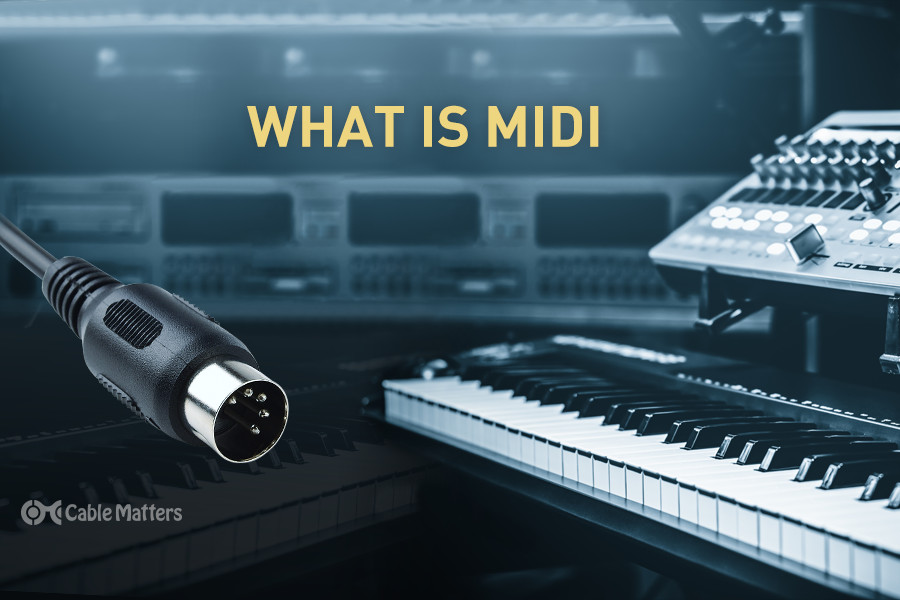
MIDI interfaces connect controllers and instruments to computers or other devices. They translate MIDI signals between devices for smooth communication. Interfaces often use USB or traditional 5-pin DIN connectors.
Cables carry MIDI data. The classic 5-pin DIN cable is common. USB cables are also popular for modern MIDI devices. Choosing the right cable ensures stable data transfer.
Midi Devices Today
Modern MIDI devices combine multiple functions. Many controllers now include built-in sounds and interfaces. They offer compact solutions for musicians on the go.
Wireless MIDI technology is growing. It allows devices to connect without cables. This adds freedom and flexibility during performances and recordings.
Midi Software Applications
MIDI software applications play a key role in music creation. They help musicians and producers control and edit sounds digitally. These applications use MIDI data to manage musical notes, timing, and effects. This makes music production faster and more flexible.
Different types of MIDI software serve different purposes. Some focus on arranging music, others on creating sounds. Understanding these tools can improve your music projects.
Digital Audio Workstations
Digital Audio Workstations (DAWs) combine recording, editing, and mixing features. They support MIDI to control instruments and effects. DAWs let users arrange MIDI tracks alongside audio tracks. Popular DAWs include Ableton Live, FL Studio, and Logic Pro. They provide a complete environment for music production.
Virtual Instruments
Virtual instruments are software versions of real instruments. They respond to MIDI signals to produce sounds. Users can play keyboards, drums, or orchestral sounds digitally. These instruments save space and offer many sound options. Virtual instruments make music creation more accessible.
Midi Sequencers
MIDI sequencers record and edit MIDI data. They arrange notes, velocities, and timing precisely. Sequencers help build complex musical patterns easily. They often integrate with DAWs or work as standalone tools. Sequencers are essential for electronic and computer-based music.
Midi File Formats
MIDI file formats store musical data in a digital way. They allow computers and instruments to read and play music. Understanding these formats helps you use MIDI files better. Each format has its own way of organizing data. This affects how music sounds and how devices handle the file.
Standard Midi Files
Standard MIDI Files, or SMF, are the most common format for MIDI data. They work across many devices and software. SMF files contain information like notes, timing, and instruments. This makes them useful for sharing music between different systems. The format ensures that the music plays correctly everywhere.
Type 0 Vs Type 1
There are two main types of Standard MIDI Files: Type 0 and Type 1. Type 0 puts all data into one track. This means all notes and events are in a single stream. Type 1 separates data into multiple tracks. Each track can hold different instruments or parts. Type 1 is better for complex compositions. Type 0 is simpler and uses less memory.
Compatibility
Compatibility is key for MIDI files. Most devices and software can read both Type 0 and Type 1. Some older gear may only support Type 0. Modern systems usually handle Type 1 without issues. Choosing the right type depends on your needs. For simple playback, Type 0 works fine. For editing and mixing, Type 1 is best.
Credit: www.cablematters.com
Midi In Modern Music Production
MIDI stands for Musical Instrument Digital Interface. It is a standard that lets electronic instruments and computers talk to each other. MIDI plays a big part in modern music production. It controls sounds, timing, and effects. Musicians use MIDI to create and shape music with ease.
Producers and composers rely on MIDI to record and edit music. It works with many devices and software. This makes music production faster and more flexible. MIDI helps artists bring their ideas to life without limits.
Role In Recording
MIDI records musical notes and performance data. It captures which keys were pressed and how hard. This data can be edited easily after recording. Producers change pitch, timing, and velocity without redoing the performance. MIDI also controls virtual instruments in software. It allows layering many sounds in one project.
Live Performance Uses
Performers use MIDI to control instruments on stage. It can trigger sounds, loops, and effects in real time. MIDI controllers are often keyboards or pads. These devices send signals to synthesizers or computers. This setup makes live shows dynamic and exciting. Musicians can switch sounds quickly and play complex arrangements.
Integration With Other Technologies
MIDI works well with digital audio workstations (DAWs). It connects hardware like synthesizers and drum machines. MIDI syncs devices to keep everything in time. It also controls lighting and visuals in concerts. This creates a full multimedia experience. MIDI’s flexibility helps blend many tech tools smoothly.
Advanced Midi Features
Advanced MIDI features expand the creative possibilities for musicians and producers. They allow more detailed control over sounds and instruments. These features make music production more expressive and precise. Understanding these can help you explore new musical dimensions.
Midi Polyphonic Expression
MIDI Polyphonic Expression (MPE) lets each note have its own control data. It allows bending, sliding, and pressure changes on individual notes. This gives music a more natural and expressive feel. MPE is popular in electronic music and modern synthesizers.
Midi 2.0 Enhancements
MIDI 2.0 brings many improvements over the original MIDI. It offers higher resolution for note control and better timing accuracy. The new protocol supports bidirectional communication between devices. This means instruments can share their capabilities and settings automatically.
Custom Midi Implementations
Some manufacturers create custom MIDI messages for unique features. These implementations extend MIDI beyond its original limits. They allow special controls like lighting effects or unique instrument behaviors. Custom MIDI is often used in specialized hardware and software setups.
Common Midi Troubleshooting
Common MIDI troubleshooting helps fix issues musicians face with MIDI devices. Problems can arise from cables, settings, or software. Identifying the cause is key to smooth performance. This section covers typical troubles and easy fixes.
Connection Issues
Loose or faulty cables often cause connection problems. Check all MIDI cables for secure plugs. Replace damaged cables to restore signal flow. Verify that devices are powered on. Confirm MIDI ports match on all equipment. Sometimes, restarting devices can clear connection errors.
Latency Problems
Latency means delays between playing and sound output. High latency disrupts timing and feel. Reduce latency by lowering buffer size in audio settings. Use a direct MIDI connection instead of USB hubs. Keep drivers and software updated for best performance. Close unused programs to free computer resources.
Compatibility Challenges
Not all MIDI devices work well together. Confirm device compatibility before use. Check manufacturer websites for driver updates and software support. Some older devices may need adapters or converters. Use standard MIDI protocols for better integration. Testing gear before gigs helps avoid surprises.
Future Of Midi Technology
The future of MIDI technology is full of exciting possibilities. As music and technology evolve, MIDI continues to adapt and improve. This technology remains essential for musicians, producers, and sound designers worldwide. It helps create new sounds and shapes modern music production.
Emerging Trends
New MIDI standards allow better communication between devices. Wireless MIDI is becoming more popular. Musicians can now connect instruments without cables. Software tools use MIDI data in creative ways. Integration with virtual reality (VR) and augmented reality (AR) is growing. These trends make music creation more flexible and accessible.
Potential Innovations
Future MIDI devices may offer higher resolution data for detailed control. Artificial intelligence (AI) could assist in composing and performing music. New sensors might capture more expressive gestures from musicians. The combination of MIDI and touch technology promises new playing styles. These innovations aim to improve the user experience and expand creativity.
Impact On Music Creation
MIDI technology helps artists experiment with new sounds and styles. It simplifies collaboration between musicians in different locations. Real-time performance control makes live shows more dynamic. MIDI allows easy editing and tweaking of musical ideas. Overall, it supports creative freedom and innovation in music.
Frequently Asked Questions
What Is Midi In Music Production?
MIDI stands for Musical Instrument Digital Interface. It allows electronic instruments and computers to communicate and control sounds. MIDI sends digital signals, not audio, enabling versatile music creation and editing.
How Does Midi Work With Musical Instruments?
MIDI transmits performance data like notes, velocity, and control changes. Instruments interpret these signals to produce sounds or control effects. This enables synchronized playback and complex musical arrangements.
Why Is Midi Important For Musicians And Producers?
MIDI offers flexibility in composing, recording, and live performances. It reduces file sizes, allows easy editing, and supports wide compatibility across devices and software.
Can Midi Control Non-musical Devices?
Yes, MIDI can control lighting, video, and other stage equipment. This integration enhances live shows by synchronizing music with visual effects seamlessly.
Conclusion
Musical Instrument Digital Interface (MIDI) connects instruments and computers. It helps musicians create and control sounds easily. MIDI uses simple messages to share music information. This technology works with many devices and software. It makes music production more flexible and fun.
Understanding MIDI can improve your music skills. Try exploring MIDI to see how it works. It opens new ways to make and share music. Keep experimenting and enjoy the creative process. MIDI is a key tool in modern music today.
As an Amazon Associate, I earn from qualifying purchases.

