
Have you ever wondered how the very first cameras worked? Imagine capturing a perfect image without any modern technology—no lenses, no screens, just a simple box.
That’s exactly what an Obscura Camera does. It’s a fascinating device that reveals the magic behind photography’s roots. If you’re curious about how light and shadows create pictures, this article will open your eyes to the secrets of the Obscura Camera and why it still matters today.
Keep reading, and you’ll discover something that could change the way you see the world around you.

Credit: collections.tepapa.govt.nz
Origins Of Obscura Camera
The origins of the obscura camera reach far back in history. This device laid the foundation for modern photography. It helped people understand how light and images work. The obscura camera’s story is a journey through time and innovation.
Early Inventions
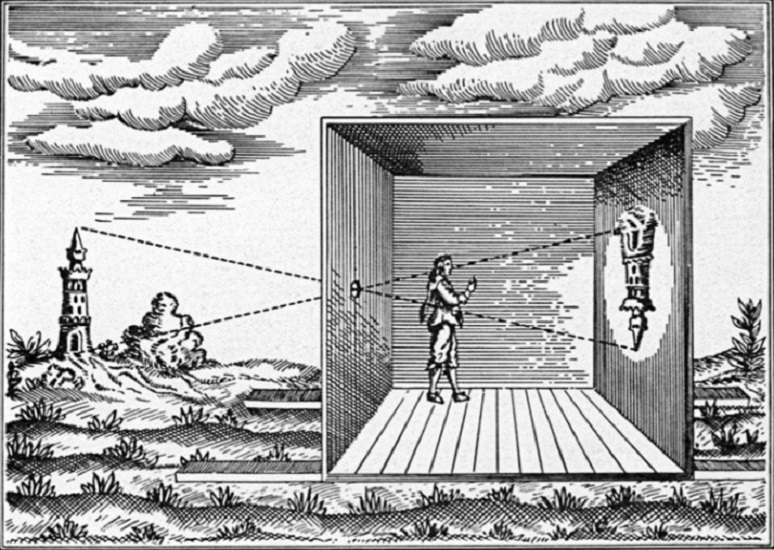
The concept of the camera obscura dates to ancient times. Scholars like Mozi in China and Aristotle in Greece wrote about it. They described a dark room with a small hole. Light passed through this hole and projected an image outside inside the room. Artists used this method to draw scenes accurately. The camera obscura helped capture real-life views before cameras existed.
Evolution Over Time
Over centuries, inventors improved the camera obscura’s design. Lenses replaced simple holes to sharpen the image. Portable boxes made it easier to use outdoors. Scientists studied the light and optics involved. These improvements moved the device closer to the first real cameras. The evolution of the obscura camera shows how science and art joined forces.
How Obscura Cameras Work
Understanding how obscura cameras work reveals the magic behind early photography. These devices use simple principles of light and optics to create images. Their design is straightforward but fascinating. Let’s explore the basic ideas that make obscura cameras function.
Basic Principles
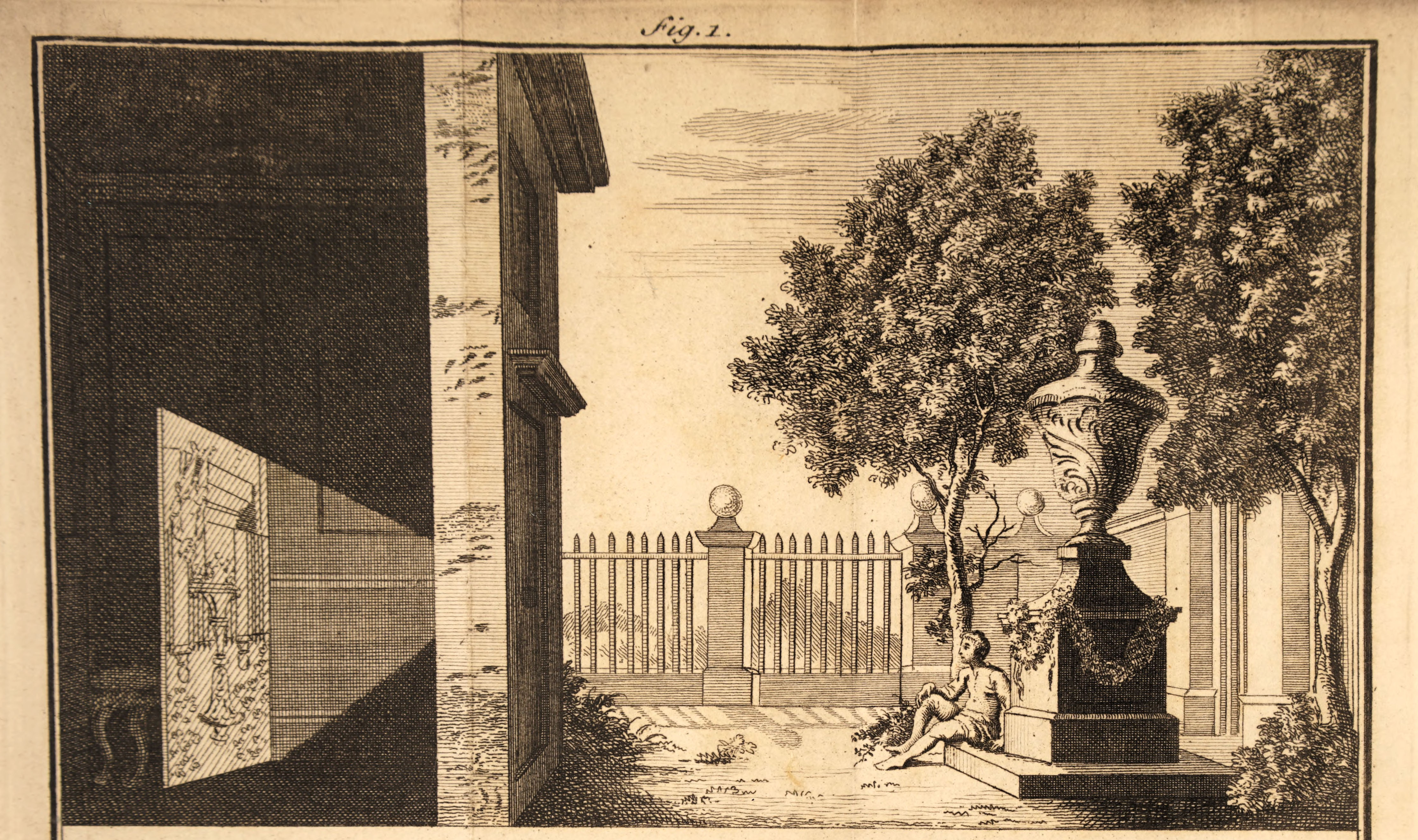
An obscura camera is essentially a dark box with a small hole on one side. This hole acts as a lens. Light passes through it and projects an image inside the box. The image appears upside down and reversed. This happens because light rays travel in straight lines. The smaller the hole, the sharper the image. But if the hole is too small, the image gets dimmer.
Light And Image Projection
Light from the outside world enters through the tiny hole. It carries the colors and shapes of the scene. Inside the box, the light rays cross and form a clear picture on the opposite wall. This projection is a real image. Artists and scientists used this to study and trace scenes. The obscura camera laid the foundation for modern cameras by showing how light can capture an image.
Types Of Obscura Cameras
Obscura cameras come in different forms. Each type serves a unique purpose. Understanding these types helps you appreciate the art and science behind this ancient technology.
Portable Models
Portable obscura cameras are small and easy to carry. They often use a box or small tent design. These models allow users to set up anywhere quickly. Artists and photographers use them outdoors for sketches and photos. Despite their size, they capture clear images with simple lenses.
Room-sized Variants
Room-sized obscura cameras are large and impressive. They turn an entire room into a camera. Light enters through a tiny hole, projecting an image inside. This setup creates a life-size, upside-down view of the outside world. These variants offer a unique experience for visitors and learners. They show the purest form of camera technology.
Materials And Construction
The materials and construction of an obscura camera shape its function and durability. Understanding these elements helps appreciate its simplicity and effectiveness. The design relies on basic materials and careful assembly. This ensures it captures images clearly without complex parts.
Common Materials Used
Wood is a popular choice for the camera body. It is sturdy and easy to shape. Cardboard also works for simple versions. It is light and inexpensive. Metal parts appear in some cameras for strength. Glass or plastic forms the lens, focusing light. Black paint or dark cloth inside prevents unwanted reflections. These materials combine to create a functional camera obscura.
Crafting Techniques
Building an obscura camera requires precise cutting and joining. Wood pieces often join with nails or glue. Cardboard models use tape or glue for quick assembly. The lens must fit tightly to avoid light leaks. Painting the inside dark improves image quality. Careful sealing around edges blocks stray light. Simple tools like scissors, knives, and brushes are enough. Crafting focuses on accuracy and cleanliness to capture sharp images.
Role In Vintage Photography
The obscura camera played a key role in vintage photography. It was one of the first tools that helped capture real images on surfaces. This device paved the way for the cameras used today.
By using simple light and lenses, the obscura camera showed how to create pictures from the real world. It helped photographers learn about light, focus, and composition. This knowledge shaped the early days of photography.
Impact On Early Photographers
Early photographers used the obscura camera to understand how images form. It taught them about exposure time and the effects of light. These lessons helped improve their skills and techniques.
Many artists and inventors experimented with the obscura camera. They discovered ways to make pictures clearer and more detailed. This experimentation was vital for the growth of photography as an art and science.
Transition To Modern Cameras
The obscura camera led to the invention of modern cameras. It inspired the use of lenses, shutters, and light-sensitive materials. These parts are still important in cameras today.
Over time, cameras became smaller, faster, and easier to use. The basic ideas from the obscura camera stayed the same. This shows how the old technology shaped new inventions in photography.
Using An Obscura Camera Today
Using an obscura camera today offers a unique experience. It connects you with the roots of photography. This simple device helps capture images in a creative way. Many photographers enjoy its slow, thoughtful process. It teaches patience and attention to detail. Each photo becomes a personal work of art.
Setting Up For Photography
Find a quiet, stable place to set your obscura camera. Use a tripod or a steady surface to hold it still. The camera must face the scene you want to capture. Cover the camera’s opening to keep it dark inside. Place a sheet of photo paper or film opposite the hole. Remove the cover carefully to let light enter.
Capturing Images
Light passes through the small hole and forms an image inside. The image appears upside down on the photo paper or film. Exposure time varies from seconds to minutes. It depends on light strength and the material used. Cover the hole again after the right exposure time. Develop the photo paper or film to see your image. Each picture is unique and tells a story.
Collecting And Restoring Obscura Cameras
Collecting and restoring obscura cameras is a rewarding hobby for many vintage camera enthusiasts. These cameras are not only historical artifacts but also functional tools that capture images with a unique charm. Restoring them brings old technology back to life and preserves a piece of photographic history.
Careful attention and patience are key. Each camera has its own story and condition. Collectors must learn how to find authentic pieces and restore them without damaging their value or function.
Finding Authentic Pieces
Start by researching the camera’s history and design. Authentic obscura cameras often have wooden or metal bodies with simple lenses. Antique shops, estate sales, and online auctions can offer genuine pieces. Check for signs of wear that match the camera’s age. Avoid cameras with modern parts or obvious repairs. Authenticity increases the camera’s value and ensures a better restoration experience.
Restoration Tips
Clean the camera gently using soft cloths and mild solutions. Avoid harsh chemicals that may damage wood or metal. Replace broken parts only with period-appropriate materials. Lubricate moving parts carefully to keep the mechanism working smoothly. Test the camera with short exposure times before regular use. Document the restoration process for future reference. Patience and care during restoration can bring these old cameras back to life.
Credit: blackcreek.ca
Famous Photographers And Obscura
The obscura camera has influenced many famous photographers. Its simple design helped artists understand light and images. This early tool shaped how photography evolved.
Several notable photographers used the obscura camera to create stunning work. They explored light, shadow, and perspective with this ancient device. Their art reflects the power of the obscura camera.
Notable Users
Artists like Leonardo da Vinci studied the obscura camera. He used it to sketch scenes with perfect perspective. Other early photographers used the obscura to plan paintings or drawings.
In the 19th century, pioneers like Joseph Nicéphore Niépce applied the obscura camera to capture real images. Niépce’s work led to the first permanent photographs. Many others followed, experimenting with this tool to record the world.
Iconic Photographs
Some of the first photographs were taken using the obscura camera. Niépce’s “View from the Window at Le Gras” is a famous example. It shows a blurry but clear outdoor scene from 1826.
Early images often had long exposure times. This created unique light effects and soft details. These photos are valuable records of early photography history.
Obscura Cameras In Modern Art
Obscura cameras have a special place in modern art. They connect old and new ways of seeing the world. Artists use these cameras to explore light, shadow, and perspective in unique ways. The simple yet powerful design of the obscura camera inspires creativity. It helps artists create images that feel both classic and fresh.
Contemporary Uses
Many artists use obscura cameras to capture real scenes with a different view. They place the camera in unusual spots to change how we see everyday places. This method adds mystery and depth to their work. Some artists mix obscura images with digital art. This blend creates new visual experiences.
Artistic Experiments
Artists experiment with obscura cameras to play with light and time. They use long exposures to show movement and change. This technique reveals hidden details in ordinary scenes. Others alter the camera’s size or shape to produce strange effects. These experiments push the limits of traditional photography.
Credit: en.wikipedia.org
Frequently Asked Questions
What Is An Obscura Camera?
An Obscura Camera is a simple optical device that projects an image. It uses a dark box with a small hole to let light in. The light creates an inverted image on the opposite wall. It’s the basic principle behind modern cameras.
How Does An Obscura Camera Work?
Light enters through a tiny hole in the dark box. This light projects an upside-down image on the opposite surface inside the box. The image appears clear because only a small amount of light passes through. This process demonstrates how lenses focus light.
What Is The History Of The Obscura Camera?
The Obscura Camera concept dates back to ancient times. Early scientists and artists used it to study light and perspective. It played a key role in the development of photography and optics. It’s considered a precursor to the modern camera.
Can I Build My Own Obscura Camera?
Yes, building an Obscura Camera is simple and educational. You need a dark box, a small hole, and a white surface inside. This DIY project helps understand basic photography principles. It’s great for learning about light and image projection.
Conclusion
The obscura camera shows us how cameras began long ago. It uses light and a small hole to create images. This simple device helps us understand photography’s roots. Anyone can try making one at home. It teaches how light shapes the pictures we see.
The obscura camera remains a great tool for learning and fun. Exploring it opens a window to the past and to creativity. A true reminder of how simple ideas create lasting effects.
As an Amazon Associate, I earn from qualifying purchases.
