
Have you ever wished you could see everything around you without turning your head? Imagine having a clear, wide view that helps you spot every detail, no matter where it is.
That’s exactly what a Panoramic View Monitor offers. If you want to improve your safety, awareness, or simply enjoy a broader perspective, understanding this technology is key. Keep reading to discover how a Panoramic View Monitor can change the way you see the world around you.
Credit: www.parkwaytoyotaboston.com
Panoramic View Monitor Basics
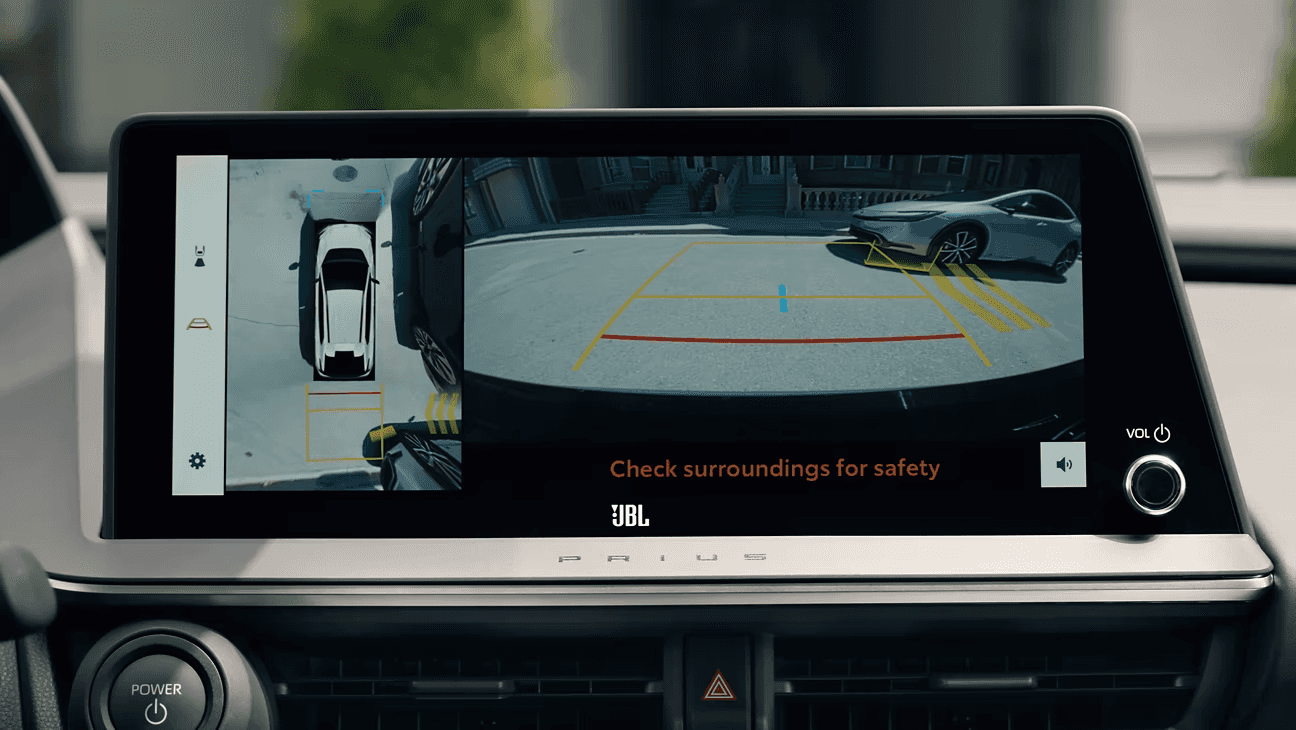
A Panoramic View Monitor helps drivers see a wider area around their vehicle. It improves safety by reducing blind spots. This technology is common in modern cars and trucks. It offers a clear, wide-angle view to the driver. Understanding the basics helps you appreciate how it keeps roads safer.
Core Features
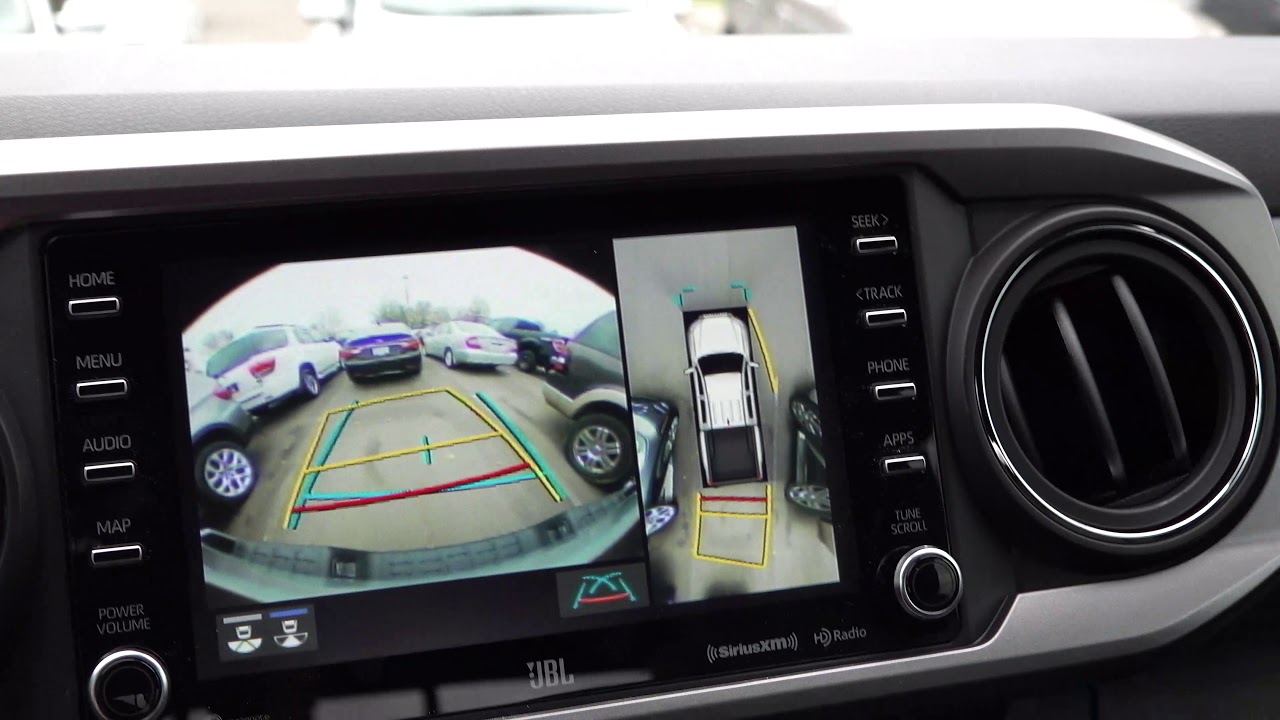
Panoramic View Monitors use multiple cameras placed around the vehicle. These cameras capture images from different angles. The system stitches these images into one seamless view. It shows the area around the car on a central screen. The display often includes parking guides to assist drivers. This monitor works well in tight spaces and busy roads.
How It Works
Cameras send live video feeds to a computer inside the car. The computer processes these feeds and combines them into one image. This image gives a bird’s-eye view of the vehicle’s surroundings. The system updates the view in real time as the car moves. Sensors may also alert drivers to nearby obstacles. This combination enhances awareness and reduces accidents.
Components Of A Panoramic Monitor
A panoramic view monitor offers a wide, clear view around a vehicle. It helps drivers see areas that are usually hidden. This system uses several key parts to create a full, 360-degree image. Each component plays an important role in making the monitor work well.
Camera Setup
The camera setup is the core of a panoramic monitor. It uses multiple cameras placed around the vehicle. Each camera captures a part of the view. These cameras often have wide-angle lenses to cover more space. The images from all cameras combine to form one big picture. Cameras must be high quality to show clear images day and night.
Display Interface
The display interface shows the combined image to the driver. It connects the cameras to the screen inside the vehicle. The screen can be a touchscreen or a simple monitor. This interface processes the images and stitches them together. It also adjusts brightness and contrast for easy viewing. The display must be easy to use and quick to respond.
Benefits Of 360° Vision
The benefits of 360° vision in a panoramic view monitor are clear and practical. This technology gives drivers a full view around their vehicle. It helps reduce blind spots and makes driving safer. The wide-angle vision also makes parking easier and helps avoid accidents. Below, we explore some key benefits of 360° vision.
Enhanced Safety
360° vision shows everything around the vehicle at once. Drivers can see pedestrians, cyclists, and other cars clearly. It reduces the risk of missing something important. This helps prevent collisions and keeps everyone safer on the road.
Improved Parking
Parking becomes simpler with a panoramic view monitor. Drivers can see obstacles and lines more clearly. It helps with tight spaces and tricky angles. This reduces stress and makes parking faster and more accurate.
Accident Prevention
The full view helps spot dangers early. Drivers can react faster to sudden events. It lowers the chances of crashes during lane changes or turns. This technology supports safer driving every day.

Credit: device.report
Applications Across Vehicles
Panoramic view monitors offer wide-angle camera views around a vehicle. These systems enhance safety by reducing blind spots. Different types of vehicles use this technology to improve driver awareness and control.
Passenger Cars
Passenger cars use panoramic view monitors to aid parking. They provide a clear view of nearby obstacles. Drivers can see all sides of the car easily. This helps avoid minor accidents in tight spaces.
Commercial Trucks
Large trucks benefit greatly from these monitors. The wide view helps drivers handle big blind spots. It improves safety during lane changes and reversing. This reduces the risk of collisions with smaller vehicles or pedestrians.
Off-road Vehicles
Off-road vehicles use panoramic monitors for rough terrain navigation. Drivers can spot obstacles like rocks and ditches. This improves control and prevents damage to the vehicle. It also makes off-road driving safer and more confident.
Installation And Calibration
Installing and calibrating a panoramic view monitor is essential for clear, accurate visuals. Proper setup helps avoid blind spots and enhances safety. Both steps require care and attention to detail. They also impact how well the system works in daily use.
Professional Vs Diy
Choosing between professional installation and DIY depends on skills and budget. Professionals have tools and experience for precise setup. They ensure all cameras align perfectly and the monitor displays correctly. DIY can save money but may cause errors. Incorrect installation leads to poor image quality or blind spots. Follow manuals closely if you choose DIY. Check all connections and test the system thoroughly.
Maintenance Tips
Regular maintenance keeps the panoramic view monitor working well. Clean cameras and screens gently to avoid scratches. Check cables and connectors for damage or looseness. Update software often to fix bugs and improve features. Test calibration every few months to maintain accuracy. Small issues fixed early prevent costly repairs later. Proper care extends the monitor’s lifespan and reliability.
Limitations To Consider
Panoramic View Monitors offer a wide view around vehicles using multiple cameras. This technology helps drivers see areas that are usually hidden. Despite its benefits, it has some limits that users should know. Understanding these limits can improve safety and set the right expectations.
Blind Spots
Panoramic View Monitors reduce many blind spots but do not remove all. Some areas near the vehicle can still be hidden from the cameras. Objects too close or too low may not appear on the screen. Drivers must still check mirrors and look around before moving.
Weather Impact
Weather can affect how well the system works. Rain, snow, or fog can blur the camera lenses. Dirt and water drops may block the view, making images unclear. Regular cleaning of cameras is important for better visibility in bad weather.
System Latency
The images on the screen show a slight delay from real-time. This delay is called latency. It means what you see is not exactly what is happening at that moment. Drivers should be careful and not rely only on the monitor for quick decisions.
Future Trends In 360° Vision
Future trends in 360° vision will change how we see and interact with the world. Technology continues to improve panoramic view monitors. These advances make images clearer and more useful. New features will help people use 360° vision in daily life and work.
Ai Integration
Artificial intelligence will enhance 360° vision systems. AI can analyze images instantly and highlight important details. It helps drivers detect obstacles or pedestrians quickly. AI also reduces blind spots by predicting movement. This makes panoramic monitors smarter and safer.
Augmented Reality Displays
Augmented reality (AR) will add extra information to 360° views. Users can see directions or warnings overlaid on the screen. AR helps in navigation and complex tasks by showing real-time data. It makes panoramic monitors more interactive and helpful. This trend will improve user experience in many fields.
Credit: www.youtube.com
Frequently Asked Questions
What Is A Panoramic View Monitor?
A panoramic view monitor displays a wide, 360-degree view around a vehicle. It combines multiple camera feeds into one image. This helps drivers see blind spots and park safely. It enhances safety by providing a comprehensive view of the surroundings.
How Does A Panoramic View Monitor Work?
It uses several cameras placed around the vehicle. These cameras capture images from different angles. The system stitches these images into a single panoramic view. The driver sees this combined image on the dashboard screen in real-time.
What Are The Benefits Of A Panoramic View Monitor?
It improves safety by reducing blind spots. It helps drivers park and maneuver easily in tight spaces. The monitor minimizes accidents by providing a clear view of obstacles. It also increases driver confidence and convenience.
Can Panoramic View Monitors Be Installed In Any Vehicle?
Most modern vehicles support panoramic view monitors. Aftermarket systems are available for older models. Installation depends on the vehicle’s wiring and camera placement options. Professional installation ensures proper system function and reliability.
Conclusion
A panoramic view monitor shows a wide, clear view around a vehicle. It helps drivers see blind spots and avoid accidents. This technology makes parking and driving safer and easier. Many cars now include this helpful feature. Understanding how it works can improve your driving experience.
Stay aware and use the monitor to boost safety. A clear view matters a lot on the road. Panoramic view monitors add confidence behind the wheel. Simple but effective.
As an Amazon Associate, I earn from qualifying purchases.

