
Have you ever wondered if there’s a simple, painless way to explore what’s happening inside your digestive system? Imagine swallowing a tiny camera that travels through your gut, capturing clear images without any discomfort or invasive procedures.
This is exactly what a Pill Camera does. If you want to understand how this small device can give doctors a detailed look inside your body and why it might be the best choice for diagnosing certain health issues, keep reading.
You’ll discover how this technology works, what to expect, and why it could change the way you think about medical exams.
What Is A Pill Camera
A pill camera is a small medical device used to check the inside of the digestive system. It looks like a large pill and helps doctors see areas that are hard to reach with regular tools. The pill camera captures pictures as it moves through the digestive tract. This method is gentle and does not cause pain.
People often use a pill camera to find problems in the small intestine. It can help detect bleeding, inflammation, or growths. The device sends images to a recorder worn by the patient. Doctors review these images to understand the patient’s condition better.
Design And Components
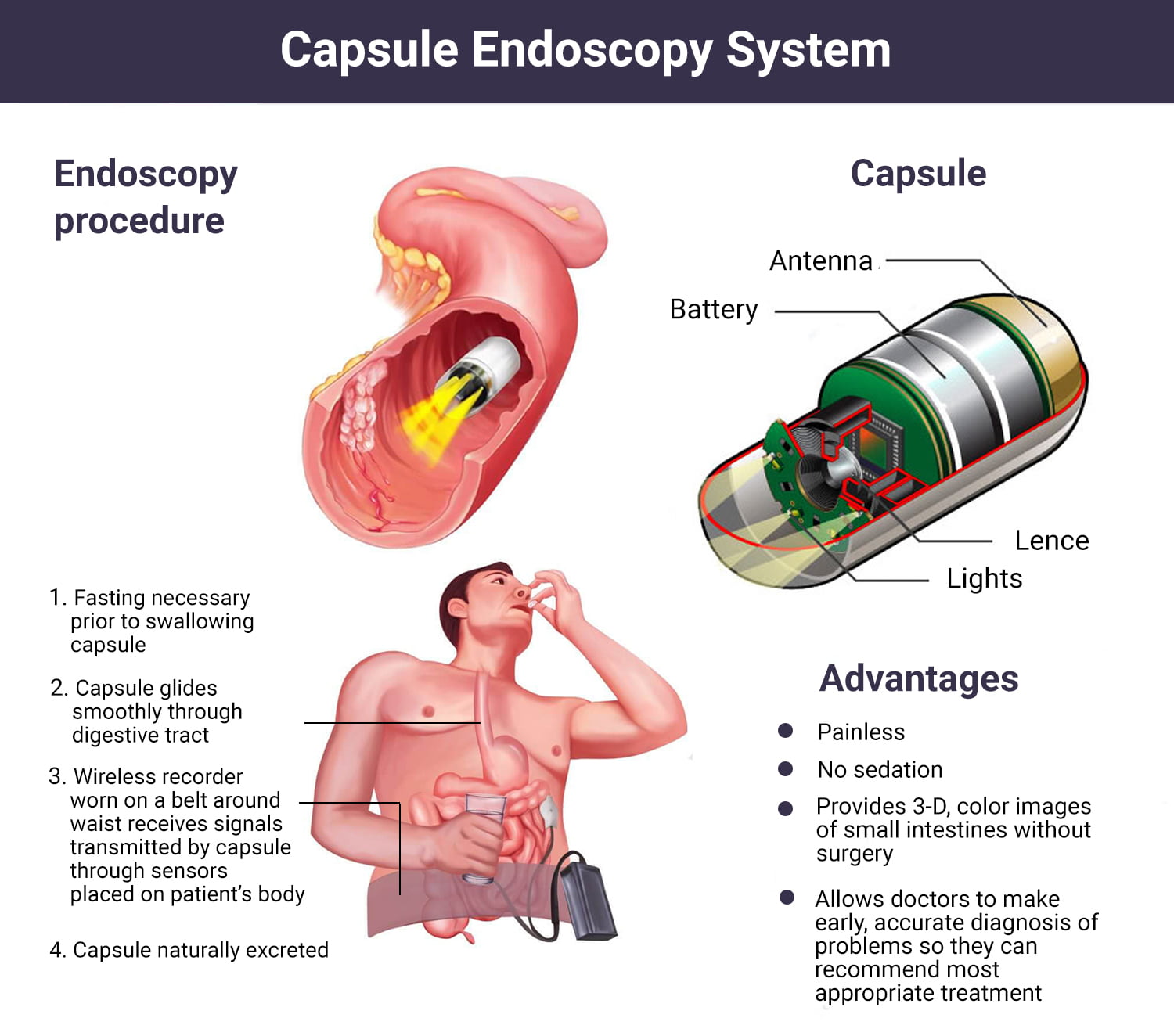
The pill camera is about the size of a large vitamin pill. It contains a tiny camera inside. Along with the camera, it has a light source to brighten the inside of the body. A small battery powers the camera and light. The pill also has a transmitter that sends images to an external device. The outer shell is smooth and safe to swallow.
How It Works
After swallowing, the pill camera moves through the digestive system naturally. It takes pictures every second or two during its journey. The light helps the camera capture clear images. The transmitter sends images to a small recorder worn on the body. After the pill passes, doctors download and examine the pictures. This process helps find problems without surgery or pain.
Advantages Over Traditional Methods
The pill camera offers many advantages over traditional diagnostic methods. It changes how doctors view the digestive system. The process is simpler and less stressful for patients.
These benefits make it a preferred choice in many cases. It provides clearer images and is easier to use. Patients feel more comfortable and doctors get detailed results.
Non-invasive Nature
The pill camera is swallowed like a small pill. It travels through the digestive tract naturally. No cuts or scopes are needed. This reduces pain and risk of infections. Patients avoid the discomfort of traditional endoscopy. The non-invasive approach makes the test less scary.
Comfort And Convenience
Patients can carry on with normal activities during the test. There is no need to stay in a hospital. The pill camera is small and lightweight. No tubes or sedation are required. This makes the experience much easier. Many patients prefer this over traditional tests.
Accuracy And Detail
The pill camera captures thousands of pictures inside the gut. It shows detailed views of areas hard to reach with other tools. This helps doctors find small problems early. The images are clear and cover the entire digestive system. It improves diagnosis and treatment plans. This accuracy helps catch issues missed by other methods.
Common Uses In Medical Diagnosis
The pill camera is a small, swallowable device used in medical diagnosis. It captures images inside the body, especially the digestive system. Doctors use it to see parts that are hard to reach with regular tools. This method is less invasive and helps find problems early.
Gastrointestinal Tract Examination
The pill camera travels through the entire gastrointestinal tract. It records pictures of the esophagus, stomach, and intestines. These images help doctors spot inflammation, bleeding, or blockages. The camera gives a clear view without surgery.
Detecting Crohn’s Disease And Ulcers
Doctors use the pill camera to find Crohn’s disease and ulcers. It shows detailed images of the small intestine where these issues often hide. Early detection helps in managing symptoms and starting treatment quickly.
Screening For Cancer
The pill camera helps screen for cancer in the digestive system. It can find abnormal growths or tumors early. Detecting cancer at an early stage improves the chances of successful treatment.
Credit: www.manhattangastroenterology.com
Procedure And Patient Experience
The pill camera procedure offers a simple way to examine the digestive tract. It uses a tiny camera inside a capsule. This capsule travels through the gut, taking many pictures. Patients often wonder about the steps and what to expect during this test. Understanding the process helps reduce any worries.
Preparation Steps
Before the test, patients must follow clear instructions. Usually, fasting for 8 to 12 hours is required. This means no eating or drinking before swallowing the capsule. Some doctors may ask for a special diet a day before. It helps clean the stomach and intestines. Patients should inform their doctor about any medicines they take.
Swallowing The Capsule
Swallowing the pill camera is easy and painless. The capsule is about the size of a large vitamin pill. It is taken with water, just like any medicine. After swallowing, the camera starts capturing images. Patients can go about their normal activities but should avoid strong magnetic fields. The capsule passes naturally through the digestive system over several hours.
Post-procedure Process
After the capsule has passed, patients usually return the recording device to the clinic. The images collected are downloaded and analyzed by the doctor. There is no discomfort from the capsule’s passage. Most patients can resume eating and drinking after two hours. The capsule leaves the body naturally in stool within one or two days.
Technological Innovations Driving Pill Cameras
Pill cameras have changed how doctors see inside the body. These small devices capture images of the digestive tract without surgery. This progress comes from many new technologies. Each part works together to make pill cameras better and easier to use.
Smaller size, better pictures, and longer battery life help doctors find problems faster. Wireless signals send images to computers for quick review. These innovations make pill cameras a smart choice for many patients.
Miniaturization And Imaging Technology
Miniaturization shrinks complex parts into tiny sizes. Cameras fit inside a pill small enough to swallow easily. Tiny lenses and sensors capture clear images. Lighting is built in to brighten the dark inside of the body. High-resolution images help doctors see details clearly. This tech allows for a full view of the digestive system.
Wireless Data Transmission
Wireless data transmission sends images to a receiver outside the body. This removes the need for wires or tubes. Signals travel quickly and safely. Doctors watch the images in real time or review them later. This technology keeps patients comfortable and free to move during the test.
Battery Life Improvements
Longer battery life means the pill camera works for hours. New batteries last long enough to cover the entire digestive tract. Energy-saving designs extend the pill’s active time. Reliable power prevents image loss during the test. This ensures complete and accurate results for doctors.

Credit: www.marcusgi.com
Limitations And Challenges
The pill camera offers a less invasive way to examine the digestive tract. Still, it has its limits and challenges. Understanding these helps patients and doctors make better choices.
Some risks come with swallowing a small camera. The cost of the device can be high. Technical issues may also affect the results. Let’s explore these points in detail.
Potential Risks
Swallowing the pill camera is usually safe. Some people may feel discomfort or gagging. Rarely, the camera can get stuck in the digestive tract. This may require medical removal. People with narrow intestines face higher risks. Doctors assess patients carefully before recommending this test.
Cost And Accessibility
The pill camera can be expensive. Insurance coverage varies by country and plan. Not all hospitals or clinics have the device. This limits access for many patients. High costs may prevent some from getting tested. Researchers work on ways to lower these expenses.
Technical Constraints
The camera has a limited battery life. It may not capture the entire digestive tract. Images depend on the camera’s speed and angle. Sometimes, images are blurry or incomplete. The camera cannot take tissue samples or perform treatments. Doctors may need other tests to confirm results.
Future Trends And Developments
The future of pill camera technology promises exciting changes. These tiny devices will become smarter and more powerful. They will help doctors see inside the body in new ways. Patients will benefit from faster, easier diagnoses. The next steps focus on better images, smart analysis, and wider uses.
Enhanced Imaging Capabilities
Pill cameras will capture clearer and sharper images. New sensors will improve color and detail. This helps doctors spot problems earlier and more accurately. Better lighting and higher resolution will reveal hidden signs of illness. These upgrades make the technology more reliable and useful.
Integration With Ai
Artificial intelligence will analyze images automatically. It can detect abnormalities faster than humans. AI will highlight areas of concern for doctors to review. This reduces errors and saves time during diagnosis. Machine learning will improve with more data, becoming smarter every day.
Expanded Diagnostic Applications
Pill cameras will study more parts of the body. They may help examine the lungs, stomach, and intestines. New designs will allow longer battery life and better control. Doctors could use them for monitoring chronic diseases regularly. This expands the role of pill cameras in healthcare.
:max_bytes(150000):strip_icc()/562692_color1-5bc4e341c9e77c005108928b.png)
Credit: www.verywellhealth.com
Frequently Asked Questions
What Is A Pill Camera Used For?
A pill camera captures images of the digestive tract. It helps doctors diagnose conditions like bleeding, inflammation, or tumors. The camera is swallowed and transmits pictures wirelessly for detailed examination.
How Does A Pill Camera Work Inside The Body?
The pill camera contains a tiny camera and light source. It takes thousands of photos as it moves through the intestines. The images are sent to a recorder worn by the patient for later review.
Is The Pill Camera Safe For Everyone?
Yes, the pill camera is generally safe and non-invasive. However, it may not suit patients with swallowing difficulties or certain intestinal blockages. Always consult your doctor before the procedure.
How Long Does A Pill Camera Test Take?
The pill camera test usually lasts 8 to 12 hours. During this time, the patient wears a data recorder. The capsule passes naturally through the digestive system and is excreted.
Conclusion
The pill camera offers a simple way to check your digestive system. It helps doctors find problems inside your intestines without surgery. You just swallow a small capsule that takes pictures as it moves. This method is safe and painless.
Many people find it easier than other tests. It gives clear images that help with quick diagnosis. Knowing about the pill camera can make you feel more comfortable if your doctor suggests it. It’s a smart tool for better health care.
As an Amazon Associate, I earn from qualifying purchases.
