
Imagine walking into your home where everything works perfectly for you—lights adjust to your mood, the temperature feels just right, and your favorite music plays as you enter. This is the power of smart home interior design.
It’s not just about gadgets; it’s about creating a living space that understands and adapts to your needs. If you want a home that combines comfort, style, and technology seamlessly, this guide will show you exactly how smart interior design can transform your everyday life.
Ready to discover how your home can work smarter, not harder? Keep reading.
Smart Home Interior Design Basics
Smart home interior design blends technology with style to create practical living spaces. It uses devices and systems that communicate with each other. The goal is to make homes more comfortable and efficient.
Smart design focuses on easy control of lighting, temperature, and security. It also improves how rooms look and feel. This kind of design fits many lifestyles and budgets.
Key Features Of Smart Interiors
Smart interiors include automated lighting that adjusts to your needs. Sensors detect movement to turn lights on or off. Thermostats learn your schedule to save energy.
Voice control systems let you manage devices without hands. Security cameras and alarms keep your home safe. Smart appliances help with daily chores efficiently.
Integration is key. All smart devices work together through a single app or hub. This creates a seamless experience throughout the home.
Benefits Of Smart Living Spaces
Smart homes save energy by using devices only when needed. This lowers utility bills and reduces waste. They also offer convenience by automating routine tasks.
Safety improves with alerts for unusual activity or emergencies. You can monitor your home from anywhere using a smartphone. Comfort rises as smart systems adjust to your preferences.
Smart design increases a home’s value and appeal. It makes daily life easier and more enjoyable. These benefits make smart living spaces a popular choice today.
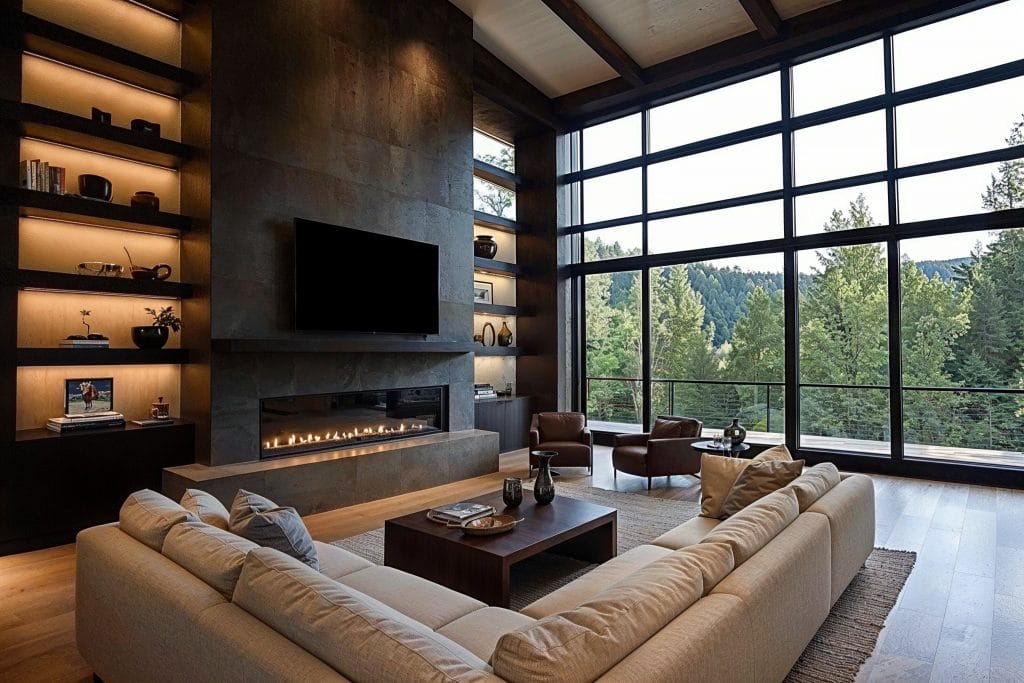
Credit: www.decorilla.com
Popular Smart Technologies
Smart home interior design uses modern technology to make homes more comfortable and efficient. Popular smart technologies help control lighting, temperature, security, and more. These tools connect to your devices and work automatically or by voice commands. They create a seamless living experience with ease and convenience.
Smart Lighting Solutions
Smart lighting allows you to control lights remotely or by voice. You can change brightness and color to fit your mood. These lights save energy by turning off when not needed. Scheduling helps set lights to turn on at certain times. This technology adds style and comfort to any room.
Automated Climate Control
Automated climate control keeps your home at the perfect temperature. Smart thermostats learn your schedule and adjust heating or cooling. This saves energy and lowers utility bills. You can control the system from anywhere using a smartphone. It creates a cozy and energy-efficient environment.
Voice-activated Assistants
Voice-activated assistants respond to simple commands. They can play music, answer questions, or control other smart devices. These assistants make daily tasks easier and faster. They work with many smart home products for smooth integration. Hands-free control means more convenience for your home.
Security And Surveillance Systems
Smart security systems protect your home with cameras and sensors. They send alerts to your phone if they detect unusual activity. You can watch live video from anywhere at any time. Some systems include smart locks that you control remotely. These technologies increase safety and peace of mind.
Design Tips For Smart Homes
Designing a smart home requires careful planning. The goal is to blend technology with style and comfort. Simple design tips can make your home both modern and cozy. Focus on how technology fits into your daily life. Ensure furniture and layout support smart living.
Integrating Technology Seamlessly
Technology should not stand out or clutter the room. Use built-in devices and hidden wires. Smart lights and speakers can blend with walls and ceilings. Choose devices that match your home’s color and style. Keep control panels easy to reach but out of sight.
Choosing Functional Furniture
Select furniture that supports smart features. Look for pieces with built-in charging ports or storage for devices. Use multi-purpose furniture to save space. Comfortable seating with tech-friendly designs improves daily use. Avoid bulky furniture that blocks sensors or devices.
Maximizing Space With Smart Layouts
Plan your space to allow smooth movement and easy access to devices. Position smart hubs where signals reach all rooms. Create open areas to reduce interference with smart sensors. Use vertical space for storage and devices. Keep pathways clear for voice control and automation sensors.
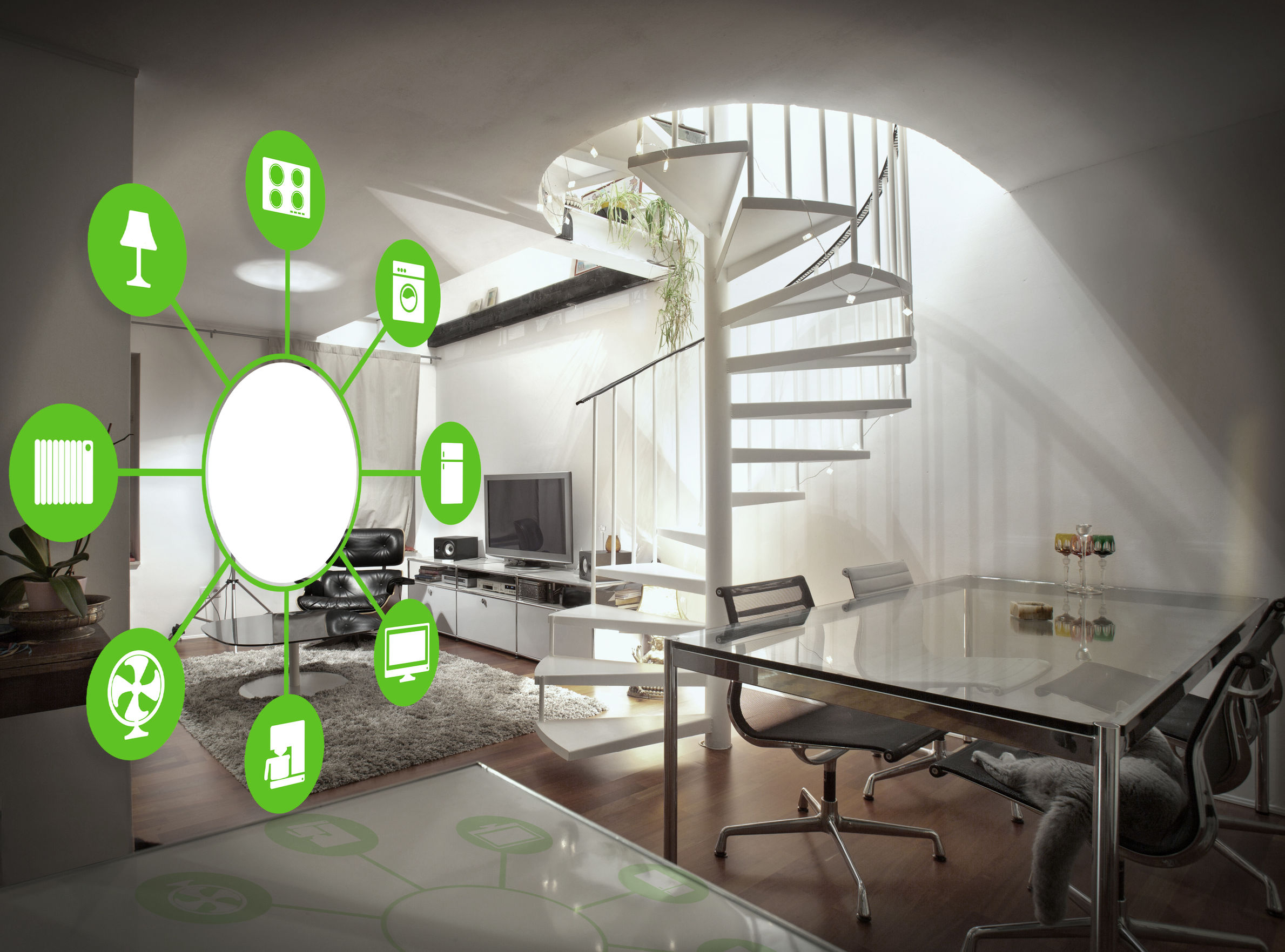
Credit: strattondesigngroup.com
Creating A Connected Living Environment
Creating a connected living environment means making your home smart and easy to control. Smart home interior design brings together technology and style. It lets you manage lighting, temperature, security, and more from one place. Your devices work together to make life simpler and more comfortable.
Smart home design focuses on seamless interaction. Every device connects to a central system. This system helps you control everything with ease. It also adapts to your habits and preferences. The result is a home that feels personalized and efficient.
Smart Hubs And Device Integration
Smart hubs act as the brain of your smart home. They connect different devices like lights, speakers, and cameras. This integration allows you to control all devices from one app or voice command. Smart hubs support many brands and technologies. This flexibility means you can add new devices anytime. Integration makes your home more responsive and easier to manage.
Wireless Connectivity Options
Wireless connections keep your smart home devices linked without wires. Wi-Fi is the most common option, offering fast and reliable connections. Bluetooth connects devices over short distances and saves energy. Zigbee and Z-Wave are specialized protocols for smart homes. They use low power and create a strong mesh network. Choosing the right wireless option improves your home’s performance and coverage.
Eco-friendly Smart Design
Eco-friendly smart design blends technology with green living. It creates homes that save energy and reduce waste. This approach helps the planet and cuts utility costs. Smart home interior design focuses on making spaces efficient and sustainable.
Energy-efficient Devices
Smart homes use energy-efficient devices to lower power use. These include LED lights, smart thermostats, and energy-saving appliances. They adjust settings based on your habits. This reduces unnecessary energy use and keeps bills low.
Smart sensors turn off lights in empty rooms. They control heating and cooling for comfort and savings. These devices work together to create a balanced, eco-friendly home.
Sustainable Materials And Practices
Eco-friendly smart design uses sustainable materials. Wood from certified forests, recycled metals, and natural fabrics are common choices. These materials last longer and have less environmental impact.
Using low-VOC paints and non-toxic finishes improves indoor air quality. Smart design also promotes recycling and waste reduction during construction. It supports a healthier home and planet.

Credit: htacertified.org
Future Trends In Smart Interiors
The future of smart home interior design blends technology and style smoothly. Homes will not only be beautiful but also highly intelligent. New trends focus on making daily life easier and more efficient. Smart interiors will adapt to the needs and habits of the people living in them.
Technology will become more natural and less visible. Devices will work together without drawing attention. This creates a calm and comfortable living space. The future smart home will feel more like a helpful friend than a machine.
Ai And Machine Learning In Homes
Artificial intelligence (AI) will learn how people use their homes. It will adjust lighting, temperature, and sounds automatically. AI will recognize patterns and predict needs. For example, it can dim lights when you start watching a movie.
Machine learning helps the system get smarter over time. It understands preferences without needing constant input. This means fewer manual controls and more convenience. AI will also improve home security by detecting unusual activities.
Emerging Smart Home Innovations
New smart devices are arriving that change home design. Voice control will become more accurate and widespread. Smart mirrors may display news or weather while you get ready. Furniture with built-in charging stations will become common.
Energy-efficient systems will grow in popularity. Smart windows can tint themselves to save energy. Robots might handle cleaning and maintenance tasks. These innovations make homes more comfortable and eco-friendly.
Frequently Asked Questions
What Is Smart Home Interior Design?
Smart home interior design integrates technology with home decor. It enhances convenience, security, and energy efficiency. Devices like smart lights, thermostats, and speakers blend seamlessly with aesthetics. This design creates a functional, modern living space that adapts to user needs while maintaining style.
How Does Smart Interior Design Improve Home Comfort?
Smart interior design improves comfort by automating lighting, temperature, and entertainment. It allows voice or app control for personalized settings. This customization enhances daily living and reduces manual adjustments. The design ensures optimal comfort tailored to individual preferences and schedules.
What Are Common Smart Devices In Home Design?
Common smart devices include smart lights, thermostats, security cameras, and voice assistants. These devices connect to the internet for remote control and automation. They improve safety, convenience, and energy efficiency in smart homes. Integration with home interiors ensures both functionality and style.
Is Smart Home Design Energy Efficient?
Yes, smart home design promotes energy efficiency through automated controls. Smart thermostats optimize heating and cooling to save energy. Smart lighting uses sensors to reduce unnecessary usage. This design lowers utility bills and supports eco-friendly living without compromising comfort.
Conclusion
Smart home interior design blends style with technology. It makes daily life easier and more comfortable. Devices work together to create a connected space. You can control lighting, temperature, and security with ease. This design saves energy and fits your lifestyle.
It creates a modern and cozy environment at home. Choosing smart design means investing in convenience and safety. Your home becomes more efficient and enjoyable. Smart interior design is the future of living spaces. Simple, smart, and stylish—just what every home needs.
As an Amazon Associate, I earn from qualifying purchases.

