
Have you ever struggled to capture clear images when the lighting is all wrong? Maybe your photos come out too dark in some areas and too bright in others.
This is where a Wide Dynamic Range (WDR) camera can make a huge difference for you. WDR cameras help balance the light and dark parts of a scene, so you can see every detail clearly, no matter the lighting conditions.
If you want your cameras to deliver sharper, more detailed images—even in tricky lighting—keep reading. You’re about to discover what a Wide Dynamic Range camera is and how it can transform your visual experience.
Credit: constructionanchors.com
Wide Dynamic Range Basics
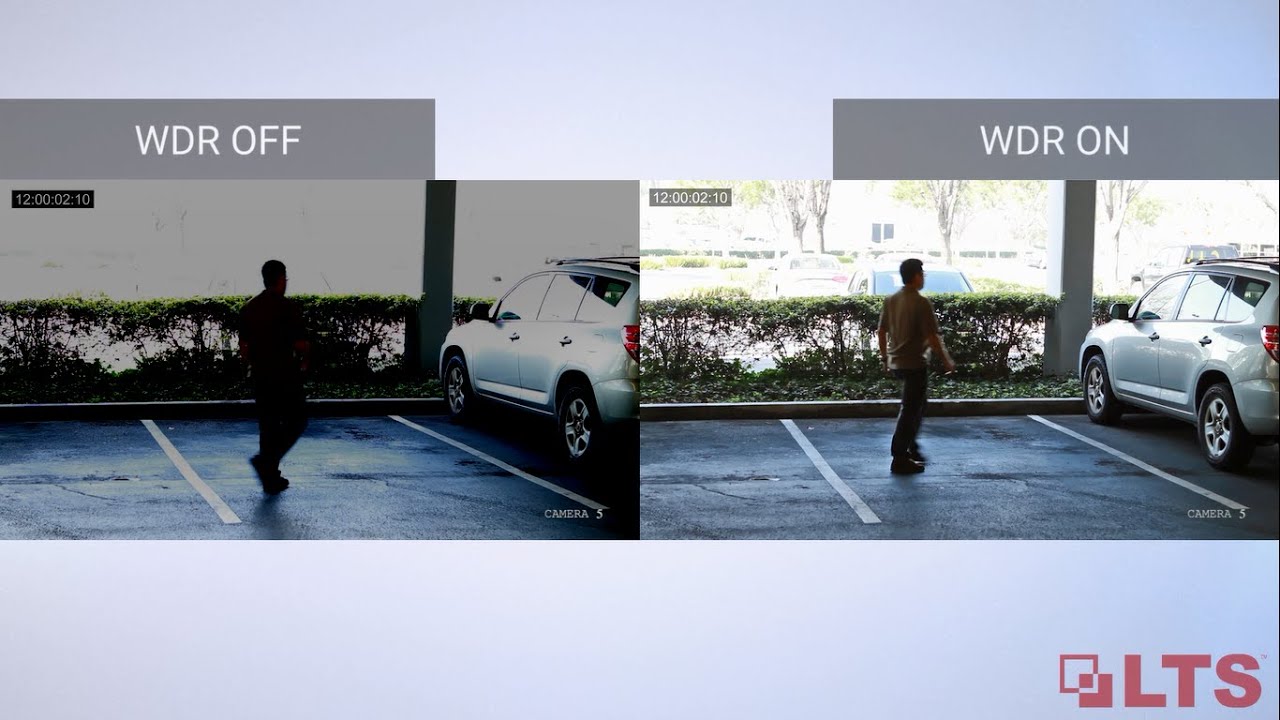
A Wide Dynamic Range (WDR) camera helps capture clear images in scenes with very bright and very dark areas. It balances light and shadow. This makes details easy to see.
WDR technology works well in places like parking lots, entrances, and streets. These areas often have bright sunlight and deep shadows at the same time.
What Wide Dynamic Range Means
Wide Dynamic Range means a camera can see details in both bright and dark parts of a scene. It measures how well a camera shows light and dark at once.
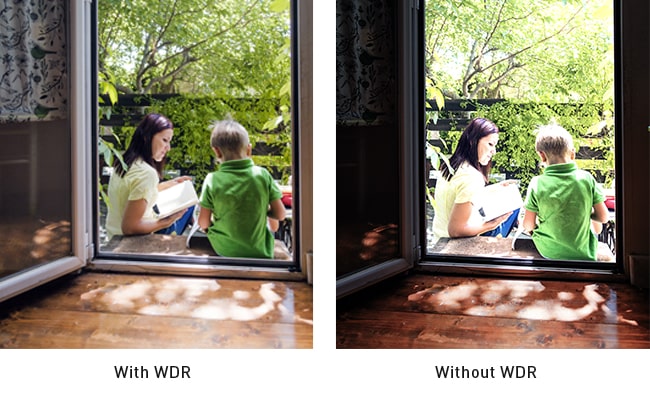
Without WDR, parts of an image may look too bright or too dark. Important details can get lost. WDR helps fix this problem.
How Wdr Enhances Images
WDR works by combining different exposures of the same scene. The camera takes several photos quickly. Each photo shows different light levels.
Then, the camera merges these photos into one clear image. This image has balanced brightness and good detail everywhere.
This process helps show faces and objects clearly, even in tricky lighting. It improves security and makes video footage more useful.

Credit: microsegur.com
Key Features Of Wdr Cameras
Wide Dynamic Range (WDR) cameras have special features to handle bright and dark areas in the same image. These features help the camera capture clear details in tough lighting. Understanding the key features of WDR cameras shows why they work well in places with mixed lighting.
Sensor Technology
WDR cameras use advanced sensors to capture light from bright and dark areas. These sensors adjust the exposure for different parts of the image. They can detect a wide range of light levels. This technology helps the camera avoid washed-out bright spots and lost dark details.
Image Processing Techniques
WDR cameras use smart image processing to improve picture quality. The camera takes multiple shots at different exposures. Then it combines these shots into one balanced image. This process brings out details in shadows and highlights. It reduces glare and improves contrast for clear images.
Benefits Of Using Wdr Cameras
Wide Dynamic Range (WDR) cameras offer many benefits that improve video quality. These cameras balance bright and dark areas in an image. This makes scenes easier to see. WDR cameras work well in places with uneven lighting. They help capture clear pictures in tough light conditions.
Improved Image Clarity
WDR cameras provide clear and sharp images. They reduce glare from bright lights. This helps avoid washed-out areas in photos. You get a balanced picture with natural colors. Clear images help users see details better. This is important for both indoor and outdoor use.
Better Detail In Shadows And Highlights
These cameras capture details in both dark and bright spots. Shadows do not hide important parts of the scene. Bright areas do not lose details due to overexposure. This balance allows for full scene visibility. It makes the image more useful for analysis or review.
Enhanced Security Applications
WDR cameras improve security monitoring in challenging lighting. They capture clear faces and objects in bright or dark areas. This helps identify people or actions easily. WDR cameras work well at entrances, parking lots, and streets. They provide reliable video evidence for security teams.
Types Of Wdr Cameras
Wide Dynamic Range (WDR) cameras help capture clear images in scenes with both very bright and very dark areas. They balance light and shadow for better picture quality. There are different types of WDR cameras. Each type uses a unique method to improve image clarity.
True Wdr Vs Digital Wdr
True WDR cameras use special hardware to capture multiple images at different exposures. They combine these images into one clear picture. This method works well in extreme lighting conditions. True WDR cameras provide better details in both bright and dark areas.
Digital WDR, also called software WDR, adjusts brightness and contrast using software. It brightens dark areas and tones down bright spots after capturing the image. Digital WDR is less expensive but may not handle very tough lighting as well as True WDR.
Selecting The Right Camera For Your Needs
Choose a True WDR camera for places with strong light contrasts. Examples include entrances, parking lots, and stores with big windows. True WDR offers clearer images where lighting is tricky.
Digital WDR cameras suit areas with mild lighting differences. They work well indoors or in places with steady light. These cameras cost less and still improve image quality.
Consider your budget and lighting environment before picking a WDR camera. Understanding the difference helps you find the best fit.
Common Applications
Wide Dynamic Range (WDR) cameras have many practical uses. They perform well in scenes with both dark and bright areas. This ability helps capture clear images in tough lighting. Various fields benefit from this technology to improve image quality and detail.
Surveillance And Security
WDR cameras are vital in security systems. They capture clear faces and details even in bright sunlight or shadows. This helps identify people in entrances or parking lots. They work well in places with mixed lighting, like building lobbies. Security teams rely on these cameras to reduce blind spots.
Traffic Monitoring
Traffic cameras use WDR to see clearly in different lighting conditions. They capture license plates in bright daylight and at night. WDR helps monitor busy intersections with shadows and glare. This improves traffic flow and enforces road rules. Authorities use these cameras to spot violations and accidents.
Retail And Commercial Use
Stores use WDR cameras to watch customers and employees. The cameras show clear images despite window glare or dark corners. This reduces theft and increases safety. WDR also helps with inventory control and staff monitoring. Retailers trust these cameras for better store management.
Credit: reolink.com
Challenges And Limitations
Wide Dynamic Range (WDR) cameras offer clear images in challenging light settings. Still, they face certain challenges and limitations. Understanding these issues helps users make informed decisions. This section explains key challenges related to WDR cameras.
Cost Considerations
WDR cameras often cost more than regular cameras. The technology inside needs advanced sensors and processors. These parts increase the price of the camera. For small businesses or homes, the cost might be too high. Budget limits can prevent many from buying WDR cameras. Choosing the right model requires balancing cost and features.
Lighting Conditions Impact
WDR cameras work best in scenes with very bright and very dark areas. But extreme lighting can still cause problems. Strong backlight may create shadows or glare. Sometimes, the camera struggles to balance all parts of the image. This leads to some areas being too bright or too dark. Very low light conditions also reduce image quality. Users should know these limits when placing cameras.
Tips For Optimizing Wdr Performance
Wide Dynamic Range (WDR) cameras improve image quality in scenes with bright and dark areas. To get the best from a WDR camera, certain steps help maximize its performance. These tips ensure clearer images and better detail in challenging lighting.
Camera Placement Strategies
Place the camera where light sources do not shine directly into the lens. Avoid pointing the camera toward windows or bright lights. Positioning the camera at an angle reduces glare and overexposure. Choose spots that balance light and shadow naturally. This setup helps the WDR feature work effectively.
Adjusting Camera Settings
Set the WDR level according to the lighting conditions of the area. Lower WDR settings work well in balanced light. Higher settings suit places with strong contrast between light and dark. Adjust brightness and contrast to avoid washed-out or too dark images. Regularly check and tweak settings for consistent quality.
Frequently Asked Questions
What Does Wide Dynamic Range Camera Mean?
A Wide Dynamic Range (WDR) camera captures details in both bright and dark areas. It balances lighting to improve image clarity in challenging light conditions.
How Does Wdr Improve Image Quality?
WDR uses multiple exposures to combine bright and dark details. This results in clearer images with balanced brightness and better visibility.
Where Are Wide Dynamic Range Cameras Commonly Used?
WDR cameras are used in surveillance, traffic monitoring, and security. They excel in environments with variable lighting, such as entrances and parking lots.
Can Wdr Cameras Work In Low Light Conditions?
Yes, WDR cameras enhance details in shadows and highlights. They perform well in low light by adjusting exposure for balanced images.
Conclusion
Wide Dynamic Range cameras capture bright and dark areas clearly. They help see details in tricky lighting. This makes them great for security and outdoor use. These cameras improve video quality in shadows and highlights. Choosing one can enhance your surveillance system.
Simple technology, big difference. Understanding how they work helps pick the right camera. Wide Dynamic Range cameras bring clearer, sharper images every time. Worth considering for better video results.
As an Amazon Associate, I earn from qualifying purchases.
