
Have you ever wondered when the first smartphone came out? It’s easy to forget how quickly our phones have changed.
One moment, they were just simple devices for calling and texting. The next, they became powerful tools that fit right in your pocket. Knowing the story behind the very first smartphone can change how you see your own device. Keep reading, and you’ll discover surprising facts that might make you appreciate your phone even more.
This isn’t just history—it’s the start of how your daily life got so connected.
Credit: simpletexting.com
Early Mobile Devices
Early mobile devices set the stage for today’s smartphones. They started as simple tools for calling and texting. Over time, these devices gained more features. This changed how people used phones daily.
Understanding these early devices helps us see how smartphones evolved. These gadgets combined basic communication with new technology. They made life easier and more connected.
From Mobile Phones To Smart Features
First mobile phones were large and heavy. They could only make calls. Then, small screens and texting came. Phones added simple games and calendars. This made them more useful beyond calling.
Some phones began to include cameras and music players. These features hinted at what smartphones would offer. They were not yet smart but showed early innovation.
Pioneering Tech Before Smartphones
Before smartphones, devices like PDAs combined phone and computer functions. They offered emails and scheduling tools. These gadgets helped users manage work on the go.
Early tech also introduced touchscreens and internet access. These features grew in popularity and improved over time. They laid the foundation for the first true smartphone.

Credit: www.textline.com
The First Smartphone Launch
The first smartphone launch marked a new chapter in technology. It combined phone and computer functions in one device. This innovation changed how people communicate and use mobile devices.
Introducing The Ibm Simon
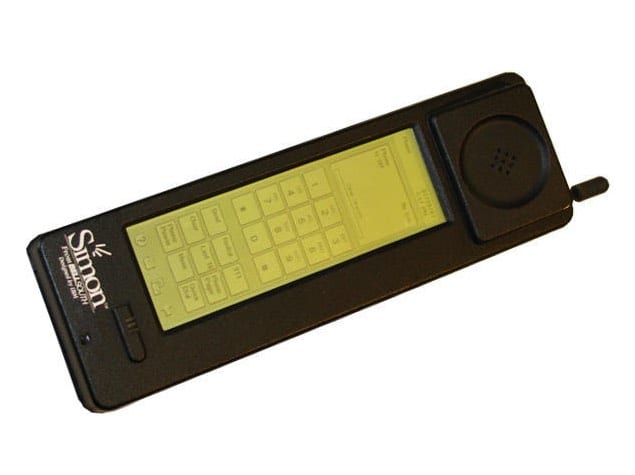
The IBM Simon was the first smartphone, released in 1994. It was created by IBM and sold by BellSouth. The device looked like a large cellphone but had many extra features. It was the first to combine calling and computing.
Key Features That Set It Apart
The IBM Simon had a touchscreen, a rare feature at that time. Users could send emails and faxes with it. It included a calendar, address book, and note pad. These tools helped people stay organized. The phone also allowed sending and receiving text messages. This blend of phone and computer functions made it unique.
Impact On Mobile Technology
The introduction of the first smartphone marked a major step in mobile technology. It started a shift from simple mobile phones to powerful devices. These devices combined calling with computing features. The impact was felt across how people communicate, work, and access information on the go.
Smartphones made many tasks easier and faster. They changed how businesses operate and how people connect daily. The technology inside smartphones grew quickly, improving user experience and opening new possibilities.
How The Ibm Simon Changed The Game
The IBM Simon, released in 1994, was the first device called a smartphone. It combined a phone and a PDA into one. People could make calls, send emails, and use a touchscreen. This was new and exciting at that time.
Simon’s design inspired future devices. It showed that phones could do more than just call. The device was slow and bulky but set a clear path. It proved that mobile devices could handle multiple tasks.
Evolution Of Smartphone Capabilities
Smartphones grew from simple tools to powerful mini-computers. Features like cameras, internet access, and apps became standard. Screen sizes increased, and designs became slimmer and lighter.
Today’s smartphones offer GPS, video calls, and high-speed internet. Battery life and processing power improved greatly. These changes made smartphones essential for work, learning, and entertainment.
Smartphone Milestones After 1994
After 1994, smartphones changed fast. They moved from simple devices to powerful tools. New brands appeared, and designs got better. Features that seemed impossible before became normal. This period shaped the phones we use today.
Rise Of Popular Brands
Many companies entered the smartphone market after 1994. Nokia became very popular with durable phones. BlackBerry brought email to mobile users. Apple launched the iPhone in 2007, changing the market. Samsung grew quickly with Android devices. These brands helped smartphones reach many people worldwide.
Advancements In Design And Functionality
Smartphones became thinner and lighter over time. Touchscreens replaced physical keyboards for easier use. Cameras improved, allowing good photos on phones. Internet access became faster and more reliable. Apps started to offer many new functions. Battery life and speed also got better. These changes made smartphones more useful every day.
Legacy Of The First Smartphone
The first smartphone left a strong mark on technology and daily life. It blended phone calls with new digital features. This device changed how people communicate and use technology worldwide.
Its legacy lives on in many modern gadgets. The first smartphone set the stage for future designs and functions. It proved that phones could do much more than just call and text.
Influence On Modern Devices
The first smartphone introduced touchscreens and internet access. These features are now standard in all smartphones. It also showed the value of carrying a mini computer in your pocket.
Manufacturers built on these ideas to improve speed and design. Apps, cameras, and GPS all came from early smartphone concepts. Today’s devices owe much of their function to this early model.
Lessons From Early Innovations
Early smartphones faced many challenges with size and battery life. These problems pushed engineers to find better solutions. They learned how to make devices smaller and more powerful.
Design simplicity became important for user-friendly experiences. Users wanted easy access to features without confusion. These lessons helped create the smooth, fast devices people enjoy now.

Credit: www.weforum.org
Frequently Asked Questions
When Was The First Smartphone Released?
The first smartphone was released in 1994. IBM introduced the Simon Personal Communicator, combining phone and PDA features. It marked the beginning of modern smartphones with touch screen and apps.
Who Invented The First Smartphone?
IBM developed the first smartphone, called Simon Personal Communicator. It was created by a team led by Frank J. Canova and launched in 1994. It combined calling, fax, and email functions.
What Features Did The First Smartphone Have?
The first smartphone included calling, fax, email, and a touch screen. It had a calendar, address book, and notepad. It was the first device to integrate phone and PDA features.
How Did The First Smartphone Impact Technology?
The first smartphone paved the way for modern mobile devices. It introduced the concept of combining communication and computing. It inspired future innovations in mobile technology and user interfaces.
Conclusion
The first smartphone came out in 1992, changing communication forever. It combined calling and computing in one device. Since then, phones have grown smarter and more useful. People use smartphones every day for work and fun. Technology keeps improving, making phones faster and easier to use.
This history shows how far mobile devices have come. Smartphones now play a big role in our lives. Understanding their origin helps us appreciate today’s technology more. The journey from the first model to now is impressive. The future will bring even more exciting changes.
As an Amazon Associate, I earn from qualifying purchases.