
Have you ever wondered what a doctor is really listening for when they place a stethoscope on your chest? That simple tool holds the power to reveal so much about your health.
When a doctor uses a stethoscope, they are monitoring vital sounds that tell a story about your heart, lungs, and even your blood flow. Understanding what’s being checked can help you feel more in control of your health and more confident during your next check-up.
Keep reading, and you’ll discover exactly what your doctor is listening to—and why it matters to you.
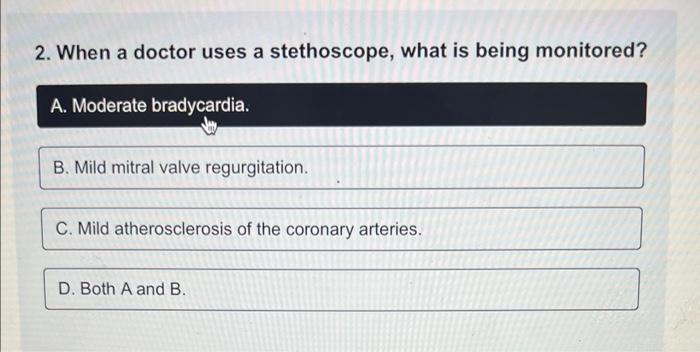
Credit: www.chegg.com
Role Of The Stethoscope
The stethoscope is a key tool for doctors during patient exams. It helps listen to sounds inside the body. These sounds tell doctors about a person’s health. The stethoscope is simple but very important. It allows doctors to check the heart, lungs, and other organs.
By using a stethoscope, doctors can find problems early. It helps them decide if more tests are needed. The stethoscope plays a big role in everyday medical care.
History And Evolution
The stethoscope was invented in 1816 by René Laennec. He used it to hear heart and lung sounds better. At first, it was just a wooden tube. Over time, the design changed to improve sound quality.
Modern stethoscopes have flexible tubes and soft ear tips. They are light and easy to carry. New models can even amplify sounds or record them digitally. This evolution made the stethoscope more useful for doctors worldwide.
Basic Functions
The stethoscope helps doctors listen to the heart’s rhythm and beats. It also lets them hear lung sounds like breathing and wheezing. Doctors check for irregular heartbeats or fluid in the lungs.
It can also be used to listen to the intestines and blood flow. The stethoscope helps detect problems such as heart murmurs, lung infections, and blockages. It is a simple tool that provides valuable health information quickly.
Heart Sounds
Doctors use stethoscopes to listen closely to heart sounds. These sounds tell a lot about heart health. Each beat creates specific noises. These noises help doctors check how well the heart works.
Normal Heartbeats
Normal heartbeats have two main sounds: “lub” and “dub.” The “lub” happens when the heart valves close after the heart fills with blood. The “dub” is when valves close after the heart pumps blood out. These sounds are clear and steady in a healthy heart. They show the heart is working properly.
Abnormal Heart Sounds
Abnormal heart sounds may indicate problems. These can be extra beats, unusual rhythms, or irregular timings. Sometimes, the sounds are too soft or too loud. These signs can help doctors find heart issues early. Detecting abnormal sounds is key to preventing serious problems.
Detecting Murmurs
Murmurs are unusual whooshing or swishing sounds. They happen when blood flows unevenly in the heart. Murmurs can mean valve problems or holes in the heart. Not all murmurs are dangerous, but doctors always check carefully. Early detection helps guide treatment and care.
Lung Sounds
Doctors use a stethoscope to listen to lung sounds. These sounds tell them how well the lungs work. They help find problems early. Listening is quick and painless. It gives clues about breathing and lung health.
Breath Sound Types
Normal breath sounds are soft and clear. They show air moves well through the lungs. There are two main types: vesicular and bronchial. Vesicular sounds are gentle and heard over most lung areas. Bronchial sounds are louder and heard near the windpipe.
Identifying Wheezes And Crackles
Wheezes are high-pitched sounds. They happen when air flows through tight airways. Crackles are short, popping sounds. They occur when small airways open or fluid is present. Both sounds can signal lung problems.
Signs Of Respiratory Issues
Changes in lung sounds may mean illness. Wheezes often appear in asthma or allergies. Crackles might show pneumonia or heart failure. Doctors listen for these signs to decide on treatment. Early detection improves care and recovery.
Credit: www.theguardian.com
Bowel Sounds
Bowel sounds are noises made by the intestines during digestion. Doctors listen to these sounds with a stethoscope to check how well the digestive system works. Bowel sounds give clues about the movement of food and fluids in the stomach and intestines. Listening helps doctors understand if digestion is normal or if there might be a problem.
Monitoring Digestion
Doctors listen for regular bowel sounds to check digestion. These sounds show the intestines are moving food properly. Normal bowel sounds occur every few seconds. They sound like gurgles or clicks. If sounds are too frequent, it may mean the intestines are irritated. If sounds are rare or absent, digestion might be slow or blocked.
Recognizing Abnormalities
Abnormal bowel sounds can signal health issues. Loud, frequent sounds may suggest diarrhea or infection. Very faint or no sounds might mean blockage or paralysis. Doctors use this information to decide if more tests are needed. Early detection helps treat problems before they worsen.
Blood Flow And Vascular Health
The stethoscope is a key tool for checking blood flow and vascular health. It helps doctors hear sounds inside blood vessels. These sounds tell if blood moves smoothly or faces blockages. Healthy blood flow is vital for organs and tissues. Any problem can lead to serious health issues. Listening carefully can catch early signs of trouble.
Detecting Bruits
Bruits are abnormal sounds heard with a stethoscope. They occur when blood flows through narrowed or blocked arteries. These sounds are like a whooshing or humming noise. Bruits often indicate artery disease or plaque buildup. Finding bruits helps doctors spot risks for heart attack or stroke. Early detection allows timely treatment to improve blood flow.
Assessing Circulation
Doctors use the stethoscope to check overall circulation. They listen for irregular or weak blood flow sounds. This can show poor blood supply to limbs or organs. Poor circulation may cause pain, numbness, or slow healing. The stethoscope helps monitor these issues during a physical exam. It guides doctors to recommend further tests or treatments.
Techniques For Effective Monitoring
Doctors use stethoscopes to listen carefully to body sounds. These sounds give clues about health. Techniques for effective monitoring help doctors hear clearly and understand better. Proper use of the stethoscope is key. It takes practice and knowledge to get it right. Here are some important techniques doctors use.
Proper Placement
Doctors place the stethoscope on specific body spots. Each spot helps hear different sounds. For example, the chest helps check heartbeats and lung sounds. The back lets doctors listen to lung air flow.
Placing the stethoscope firmly but gently is important. Too much pressure can block sounds. Too light pressure lets outside noise in. Doctors move the stethoscope to find the best sound area.
Using Different Stethoscope Types
There are different stethoscope types for different needs. Some have one side to hear high-pitched sounds. Others have two sides for both high and low sounds. Electronic stethoscopes can amplify sounds for clearer listening.
Doctors choose stethoscopes based on the patient and situation. A good stethoscope helps catch faint sounds. Using the right type improves the accuracy of diagnosis.
Advancements In Stethoscope Technology
The stethoscope has come a long way from its simple design. New technology helps doctors hear more clearly and gather more information. These changes improve how doctors check heartbeats, lung sounds, and other body noises. Modern stethoscopes offer better accuracy and easier use. They help catch health problems faster and make patient care better.
Electronic Stethoscopes
Electronic stethoscopes use microphones to pick up sounds. They make body sounds louder and clearer. These devices reduce background noise. Doctors can hear faint heartbeats or lung sounds easier. Some models can record sounds for later review. This helps doctors track changes over time. The clear sound helps in difficult cases and noisy environments.
Integration With Digital Tools
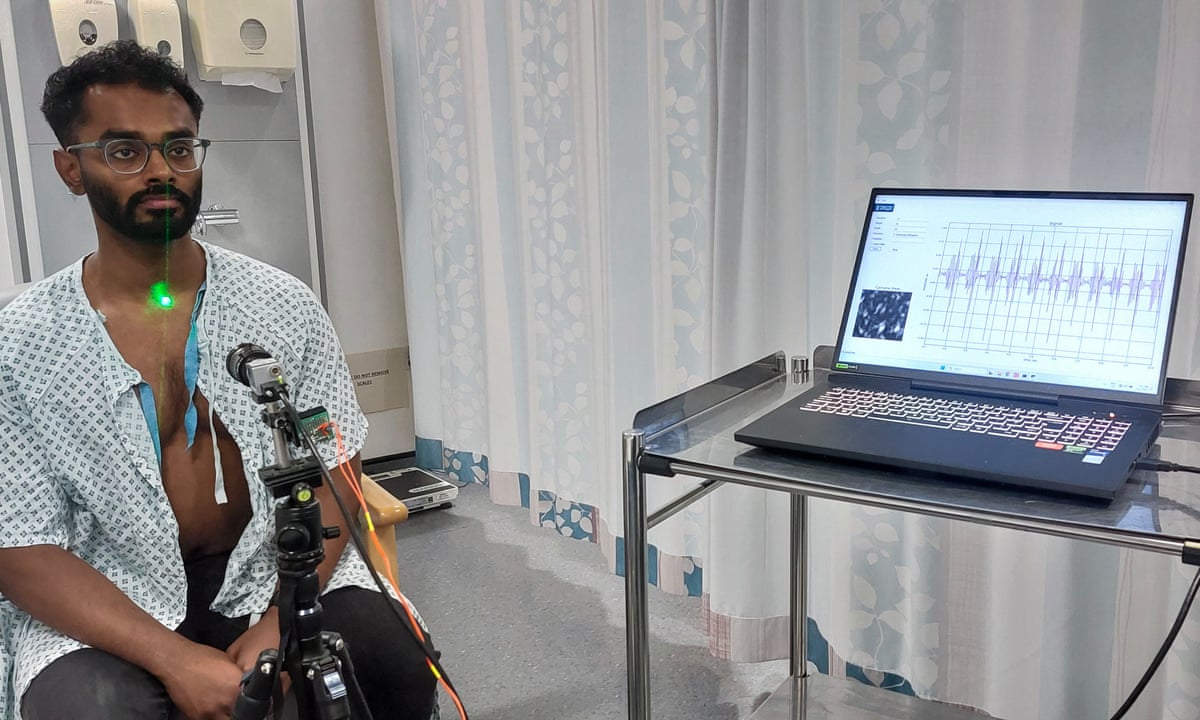
Many new stethoscopes connect to smartphones or computers. This link allows doctors to save and analyze sounds. Apps can show visual graphs of heartbeats or breathing. Some software can detect unusual sounds automatically. Sharing data with other doctors is easier now. This helps in remote consultations and second opinions. Digital tools increase the value of the stethoscope beyond listening.

Credit: www.ahealthcare.com
Frequently Asked Questions
What Does A Stethoscope Monitor In A Doctor’s Exam?
A stethoscope lets doctors listen to internal body sounds. It primarily monitors heartbeats, lung sounds, and blood flow in arteries. This helps detect irregularities like murmurs, wheezing, or abnormal rhythms. It’s a simple, non-invasive tool essential for initial health assessments and diagnosis.
How Does A Stethoscope Help Detect Heart Problems?
Doctors use a stethoscope to hear heartbeats and murmurs. It reveals abnormal rhythms, valve issues, or blood flow problems. Early detection through these sounds aids in diagnosing conditions like arrhythmia or heart valve disease, guiding further testing or treatment.
Can A Stethoscope Monitor Lung Health Effectively?
Yes, a stethoscope helps monitor lung health by detecting breath sounds. It identifies wheezing, crackles, or reduced airflow, which indicate conditions like asthma, pneumonia, or bronchitis. This quick check assists doctors in assessing respiratory function during physical exams.
Why Do Doctors Listen To Blood Flow With A Stethoscope?
Listening to blood flow through arteries helps detect blockages or abnormalities. Doctors check for sounds called bruits that signal narrowed or clogged vessels. This can indicate cardiovascular problems, prompting timely intervention or further diagnostic testing.
Conclusion
Doctors listen to your heart, lungs, and blood flow with a stethoscope. This tool helps find problems early and check your health. Sounds tell them if your heart beats steady or if lungs are clear. It is quick and painless, giving important clues.
Next time you hear that click, remember it helps keep you well. Simple but powerful. A doctor’s stethoscope is key in caring for you.
As an Amazon Associate, I earn from qualifying purchases.

