
Have you ever wondered when the first smartphone was developed? You might think it’s a recent invention, but the story goes back much further than you expect.
Understanding the origins of the smartphone can change the way you see the device in your hand every day. Keep reading to discover the surprising history behind the very first smartphone and how it shaped the world you live in now.
This knowledge might just make you appreciate your phone even more.
Early Mobile Devices
Mobile devices started as simple tools for voice calls. They were big and heavy. People carried them in bags or cars. These devices had limited functions.
Over time, features expanded beyond calls. This change set the stage for smartphones. Early mobile devices laid the groundwork for smart technology.
From Mobile Phones To Smart Features
At first, phones only made calls. Text messaging came later. Basic games and calendars followed. These small steps added smart features. Phones began to do more than talk.
Users could send messages and manage time. This shift made phones more useful. It started the move toward smartphones.
Pioneering Technologies In The 1980s
The 1980s brought new tech ideas. Mobile networks improved and grew larger. Early attempts to add computing power emerged. Some devices combined phone and PDA features.
These inventions showed what was possible. They inspired later smartphone designs. The 1980s set the base for future mobile tech.
Credit: www.bloomberg.com
The First True Smartphone
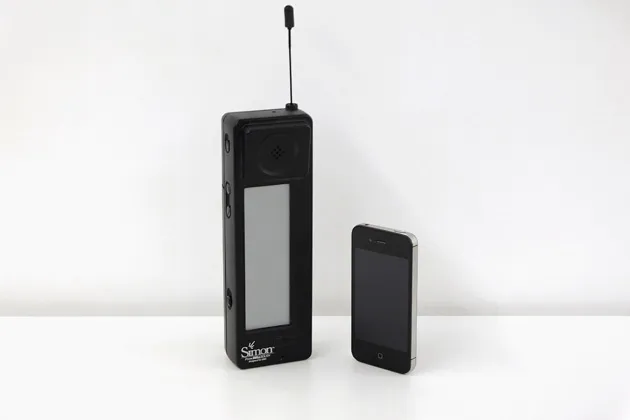
The first true smartphone marked a big step in mobile technology. It combined a phone and a personal digital assistant into one device. This innovation changed how people communicate and manage daily tasks. Before this, phones were mostly for calls and texts.
The device that holds this title is the IBM Simon. It launched in the early 1990s and showed what mobile technology could do. It was more than just a phone; it was a tool for work and life.
Ibm Simon’s Groundbreaking Launch
IBM Simon appeared in 1994. It was the first phone to offer multiple functions. Users could make calls, send faxes, and emails. This was a huge leap from regular mobile phones.
Simon had a touchscreen, a new idea at that time. It allowed users to interact in different ways. The phone was bulky but packed with features. Its launch opened the door to future smartphones.
Features That Set It Apart
IBM Simon included a calendar and address book. Users could write notes and check their appointments. It also had a stylus for easier screen use. These features made it practical for business and personal use.
The phone supported apps, though very basic ones. It could send and receive faxes and emails. These functions were rare in mobile devices back then. IBM Simon showed the potential for mobile computing.
Tech Innovations Behind Early Smartphones
Early smartphones changed how people used technology daily. They combined many tools into one small device. These devices were not just phones but also mini computers. The key to their success was several tech innovations. These inventions made smartphones more useful and easy to use.
Two important innovations helped early smartphones grow. One was the touchscreen. The other was mixing phone and PDA functions. Both ideas helped create the devices we use today.
Touchscreen Development
Touchscreens allowed users to control phones with fingers. Early phones used buttons only. The touchscreen made using a phone faster and simpler. It showed text, images, and menus on one screen. Users could tap, swipe, and pinch to interact. This technology needed new materials and software to work well. It was a big step in phone design. Touchscreens made phones more compact and versatile.
Integration Of Pda And Phone Functions
PDAs were small computers used for notes and schedules. Phones were for calls and messages. Early smartphones combined these two. This mix meant people could call, write, and plan on one device. It saved space and time. Developers had to create new operating systems. These systems could run apps and handle calls. The combination made smartphones more practical for work and play.
The Market Impact Of Early Smartphones
Early smartphones changed how people used mobile devices. They combined phone and computer features. This shift created new opportunities for communication and work on the go.
These first devices set the stage for modern smartphones. They influenced technology trends and user expectations. The market started to grow, but it was not easy.
Consumer Reception In The 1990s
People were curious about early smartphones. Many liked the idea of using one device for calls and emails. But the high price kept some buyers away.
Only a small group of business users and tech fans bought them first. Most people still used regular mobile phones. The market was slow to expand at the start.
Challenges Faced By Early Models
Early smartphones had many problems. They were large and heavy compared to today’s phones. Battery life was short, which frustrated users.
The screens were small and hard to use. Software was basic and often crashed. Networks were slower, making internet use difficult.
These issues limited the popularity of early smartphones. Manufacturers worked hard to improve the next models.
Evolution After The First Model
The first smartphone started a new path for mobile devices. It combined a phone with simple computing features. After that, many changes shaped the devices we use today.
Smartphones became smaller, faster, and easier to use. They added cameras, touchscreens, and better internet access. Each step made phones more useful for daily life.
Key Milestones In Smartphone Development
In 1992, the first smartphone called IBM Simon was created. It had a touch screen and could send emails. Later, phones added color screens and cameras. In the early 2000s, BlackBerry made phones popular for email and business use. Apple introduced the iPhone in 2007 with a full touchscreen. This changed how people used phones worldwide.
Rise Of Modern Smartphones
Modern smartphones work like small computers. They have fast processors and large screens. Apps let users do many tasks, from games to banking. Internet access improved with 4G and 5G networks. Cameras got better, helping users take clear photos and videos. Smartphones also include GPS, voice assistants, and more. These features make smartphones a key part of daily life.

Credit: en.wikipedia.org
Common Misconceptions
Many people have wrong ideas about when the first smartphone was created. These myths cause confusion about the history of mobile technology. Understanding the truth helps appreciate how smartphones evolved.
Debunking Popular Myths
Some think the first smartphone was the iPhone, released in 2007. This is not true. The iPhone was important but not the first. Others believe smartphones always had touchscreens. Early models used physical keyboards and buttons. Another myth says only big companies made the first smartphones. In reality, smaller companies also played key roles.
Clarifying The Timeline
The first device called a smartphone appeared in the early 1990s. IBM introduced the Simon Personal Communicator in 1994. It combined phone and PDA features. This device could send emails and faxes. Later, more advanced smartphones came in the 2000s. Knowing these facts gives a clear timeline. It shows the slow but steady progress of smartphone tech.
Credit: www.timesofisrael.com
Frequently Asked Questions
When Was The First Smartphone Invented?
The first smartphone was developed in 1992 by IBM. It was called Simon Personal Communicator and released in 1994. It combined phone and PDA features, making it the pioneer of modern smartphones.
Who Created The First Smartphone?
IBM designed the first smartphone, Simon Personal Communicator. It was a collaboration with BellSouth. This device combined calling, faxing, and emailing, setting the foundation for future smartphones.
What Features Did The First Smartphone Have?
The first smartphone included a touchscreen, email, fax, and phone capabilities. It also had a calendar, address book, and note pad. These features were groundbreaking at the time.
How Did The First Smartphone Influence Technology?
The first smartphone introduced integrating communication and computing features. It paved the way for mobile internet and app development. This innovation reshaped how people interact with technology daily.
Conclusion
The first smartphone marked a big step in technology. It combined calling, texting, and computing in one device. This invention changed how people communicate every day. Today’s smartphones trace back to that early model. Understanding its origin helps us appreciate modern devices.
Technology keeps evolving, but the first smartphone set the stage. It shows how ideas can grow into tools we use daily. The story of the first smartphone inspires future innovation and progress.
As an Amazon Associate, I earn from qualifying purchases.