
Have you ever wondered when the first smartphone was made? It’s easy to take your phone for granted, but knowing its origin can change how you see this powerful device in your hand.
Understanding the story behind the first smartphone helps you appreciate how far technology has come—and what it means for your daily life. Keep reading to discover the surprising answer and how that early invention paved the way for the phone you use every day.
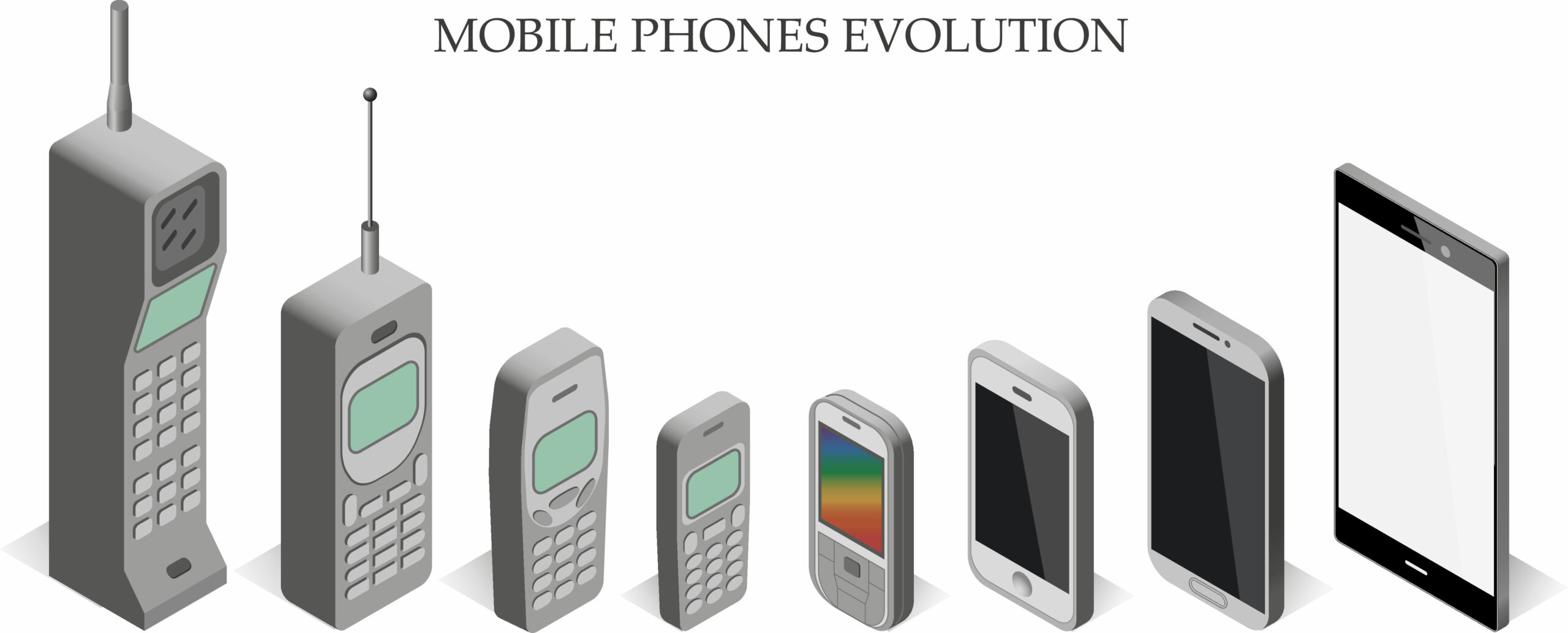
Credit: techwireasia.com
Early Mobile Devices
Early mobile devices set the stage for smartphones. These devices helped people stay connected without wires. They started as simple gadgets and grew more complex over time.
Understanding these devices shows how smartphones evolved. The journey began with radios and ended with small phones you could carry.
From Radios To Handheld Phones
Radios were the first wireless communication tools. They used radio waves to send messages over distances. People used radios in cars and homes to listen to news and music.
Later, engineers worked on making radios smaller and portable. This effort led to the first handheld phones. These phones were big and heavy but could make calls without wires.
Key Innovations Before Smartphones
Many small inventions came before smartphones. The first mobile phone call happened in 1973. This phone was large and only for voice calls.
Next, devices added features like text messaging and basic games. These helped users do more than just talk. Battery life and screen quality also improved over time.
These innovations made phones easier to use and carry. They built the foundation for the smartphones we use today.
The Birth Of The First Smartphone
The birth of the first smartphone marked a big step in mobile technology. Before smartphones, phones could only make calls and send texts. The first smartphone combined many features in one device. It changed how people communicate and use technology every day.
This new device brought together phone, pager, and personal digital assistant tools. It paved the way for future phones with touchscreens and apps. The story of the first smartphone begins with IBM Simon.
Ibm Simon’s Creation And Features
IBM Simon was created in the early 1990s. It was designed to be more than just a phone. Simon had a touchscreen, which was rare at the time. Users could write notes, send faxes, and emails. It included a calendar, address book, and notepad. These features made it a handy tool for business and personal use. The device looked bulky but was very advanced.
Launch And Market Reception
IBM Simon launched in 1994. It was sold through BellSouth in the United States. People found it interesting but expensive. The battery life was short, and the device was heavy. Many users liked having many features in one device. However, limited apps and high cost made it hard to sell widely. Still, IBM Simon showed what future phones could do.
Smartphone Evolution In The 1990s
The 1990s marked a key era in smartphone history. Early devices began to blend phone and computer functions. These changes set the stage for modern smartphones.
During this decade, mobile phones evolved beyond calling and texting. They added features like calendars, emails, and simple apps. This shift showed the potential of portable smart devices.
Advancements In Design And Functionality
Phones grew smaller and easier to carry. Screens became larger and clearer. Keyboards, touchscreens, and styluses appeared.
Many devices started running on operating systems. This allowed users to install different applications. Battery life improved, making phones more reliable for daily use.
Popular Models And Their Impact
One famous model was IBM Simon, released in 1994. It combined phone calls with a touchscreen and apps. Though bulky and expensive, it showed the smartphone concept.
Nokia and Ericsson also launched popular phones. Nokia’s Communicator series offered email and web browsing. These models helped businesses stay connected on the move.
These early smartphones influenced future designs. They showed that phones could do more than just call. This changed how people used mobile technology.

Credit: www.textline.com
The Rise Of Modern Smartphones
The rise of modern smartphones changed how people use technology daily. Early mobile phones were simple. They made calls and sent texts. Over time, phones gained new features and became smarter.
Smartphones today combine many functions. They act as cameras, music players, and mini computers. Two big changes helped this growth: touchscreens and app ecosystems. These made phones easier and more useful.
Touchscreens And App Ecosystems
Touchscreens replaced physical buttons. This made phones easier to use. Users could tap, swipe, and pinch the screen. This allowed more control and faster navigation.
App ecosystems gave users access to many apps. These apps added new features and services. People could download games, maps, and social media apps. This made smartphones very flexible.
Influence Of Apple And Android
Apple introduced the iPhone in 2007. It had a large touchscreen and a simple design. The iPhone helped popularize the smartphone idea.
Google launched Android soon after. Android allowed many phone makers to build smartphones. This helped smartphones become affordable and widespread.
Together, Apple and Android shaped the smartphone market. They pushed innovation and expanded app choices. This made smartphones part of everyday life.
How Smartphones Changed Communication
Smartphones changed the way people communicate worldwide. They made talking, sharing, and connecting easier than before. These devices combined many tools into one small gadget. People no longer needed separate devices for calls, messages, or internet. Smartphones brought a big shift in daily communication habits.
Social Media And Connectivity
Smartphones gave easy access to social media platforms. People can share photos, videos, and thoughts instantly. Staying in touch with friends and family became simple. Social media apps made it possible to connect anytime, anywhere. This constant connectivity changed how people keep relationships alive.
Messages, calls, and video chats happen on one device. Social media also helped people meet new friends and join groups. It created new spaces for social interaction beyond physical limits. Smartphones expanded the meaning of being connected.
Transforming Daily Life And Work
Smartphones changed how people work and manage life. Many tasks moved from computers to phones. Checking emails, scheduling, and video meetings happen on smartphones now. This made work more flexible and mobile.
Daily life became more organized with apps for shopping, banking, and navigation. Information is available instantly on smartphones. This helped people save time and make quick decisions. The device became a key tool for both work and personal life.
-min.jpeg)
Credit: www.textedly.com
Future Trends In Smartphone Technology
The future of smartphone technology is exciting and full of change. New designs and smart features will shape how people use phones. These advances will make devices more useful and fun. The next steps in smartphone tech will focus on flexibility and intelligence. This will bring new ways to connect and interact.
Foldable Devices And Beyond
Foldable phones are changing the shape of smartphones. Screens can bend and fold without breaking. This allows bigger displays in smaller pockets. Future foldable devices may include rollable or stretchable screens. These designs will offer more space for apps and videos. Users will enjoy a mix of phone and tablet features. Portability and screen size will no longer conflict.
Ai And Enhanced User Experiences
Artificial intelligence is becoming a key part of smartphones. AI helps phones learn user habits and preferences. It can suggest apps, adjust settings, and improve photos. Voice assistants will get smarter and more natural. AI will support better battery life and security. This technology makes phones easier and faster to use. It will change how people interact with their devices every day.
Frequently Asked Questions
When Was The First Smartphone Invented?
The first smartphone was invented in 1992 and released in 1994. It was called IBM Simon and combined phone and PDA features.
Who Created The First Smartphone?
IBM designed the first smartphone, called IBM Simon. It was developed in partnership with Mitsubishi Electric.
What Features Did The First Smartphone Have?
IBM Simon included a touchscreen, email, fax, and PDA functions. It was the first device to combine these features.
How Did The First Smartphone Influence Modern Devices?
IBM Simon set the foundation for smartphones by merging communication and computing. It inspired future mobile technology development.
Conclusion
The first smartphone changed how people use technology. It combined calling, computing, and internet in one device. Since then, phones have become smarter and more useful. Today’s smartphones owe much to that early model. We see constant improvements and new features every year.
Understanding the first smartphone helps us appreciate today’s technology better. It shows how far we have come in mobile communication. Smartphones continue to shape how we live and connect with others.
As an Amazon Associate, I earn from qualifying purchases.