
Have you ever wondered when the very first smartphone was released? You might think it’s a recent invention, but the story goes back further than you expect.
Knowing this can change how you see the technology in your hand every day. You’ll discover the surprising origins of the smartphone and how it paved the way for the devices you rely on now. Keep reading to unlock the fascinating history behind your pocket’s most powerful tool.
Early Mobile Devices
Mobile devices started as simple tools for voice calls. They were large and heavy. People used them mostly for emergencies and business calls. Over time, these devices became smaller and easier to carry. They added new features like texting and basic games.
These early devices laid the groundwork for more advanced phones. They helped people stay connected on the go. This early stage was important for the rise of smartphones.
From Feature Phones To Smartphones
Feature phones were the middle step between old cell phones and smartphones. They had small screens and physical buttons. People could send texts and play simple games. Some had cameras and basic internet access.
These phones were popular because they were easy to use. They also had long battery life and low cost. Feature phones showed users wanted more than just calls and texts.
Key Innovations Leading Up To Smartphones
Several key changes made smartphones possible. Color screens replaced black-and-white displays. Touchscreens started to appear, making navigation easier. Mobile internet improved, allowing web browsing on phones.
Camera technology advanced, letting users take photos anywhere. Apps began to offer more functions and entertainment. These innovations combined to create the first true smartphones.
Credit: simpletexting.com
The First Smartphone Launch
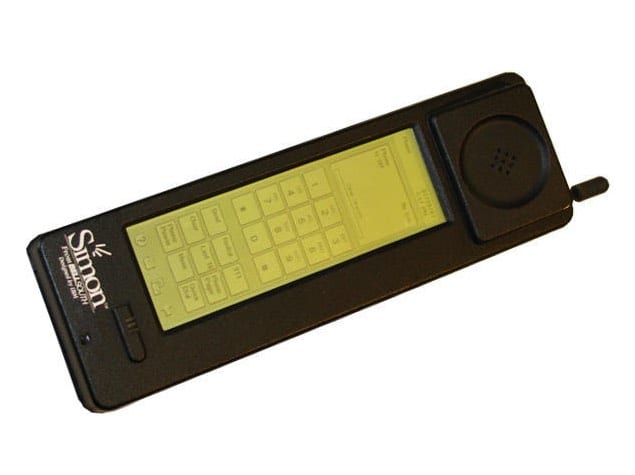
The first smartphone was released in 1994 by IBM and BellSouth. It combined a phone with features like email and internet access. This device started the path for modern smartphones.
Introduction Of Ibm Simon
The first smartphone launched in 1994 was the IBM Simon. It combined a mobile phone and a PDA in one device. IBM Simon was not just a phone; it was a personal digital assistant too. This device changed how people thought about mobile phones.
IBM Simon could send and receive faxes and emails. It had a touchscreen, which was rare at the time. This made it easy to use and opened new possibilities.
Features That Set It Apart
IBM Simon had many features that made it unique. It included a calendar, address book, and note pad. Users could write on the screen with a stylus. It also supported apps, a new concept then.
The phone worked on cellular networks and had a battery life of about one hour. The design was bulky but practical. IBM Simon set the stage for all future smartphones.
Impact On Technology
The first smartphone changed technology in many ways. It combined a phone with a small computer. This new device changed how people connect and work daily. It started a new path for mobile devices and software.
Changes In Communication
People began to send messages faster than before. Calls, texts, and emails fit in one device. Social media apps made sharing easy. Communication became instant and more visual. This helped people stay closer even far apart. It also made work talk quicker and clear.
Influence On Mobile Industry
The mobile industry grew after the first smartphone. Companies started to build better screens and faster chips. App stores appeared, giving users many choices. Phones got smarter with cameras and internet access. New brands joined the market to meet demand. The smartphone became a must-have for many people.
Evolution After The First Smartphone
The first smartphone marked the start of a big change in how people use phones. After its release, smartphones grew quickly. New features and better designs arrived fast. This growth shaped modern smartphones into powerful tools for work and fun.
Technology advanced in both hardware and software. Phones became faster, smarter, and easier to use. Companies competed to create the best phone. This competition helped improve phone quality and options for buyers.
Advancements In Hardware And Software
Early smartphones had small screens and slow processors. Over time, screens became larger and clearer. Processors grew faster, handling more tasks at once. Battery life improved, letting users stay connected longer.
Software also developed quickly. Touchscreens replaced physical buttons. Apps appeared, offering many functions. Operating systems became easier to use. Updates added new features and fixed issues.
Rise Of Popular Smartphone Brands
Many brands entered the smartphone market. Some became very popular worldwide. Apple, Samsung, and Huawei led the way. They introduced unique designs and powerful technology.
These brands built loyal customers. They focused on quality, style, and user experience. New brands also appeared, giving buyers more choices. This helped smartphones become part of daily life everywhere.
Legacy Of The First Smartphone
The first smartphone left a strong legacy in technology. It changed how people communicate and use devices every day. This device combined phone functions with computing power. It was the start of a new era in mobile technology.
Its impact still affects how modern smartphones are designed and used. The first smartphone showed what was possible. It opened doors for new ideas and features in later devices. Its legacy is seen in every smartphone today.
How It Shaped Modern Devices
The first smartphone introduced touchscreens and internet access. These features became must-haves in later models. It helped create the app culture we know now. Modern devices follow the path it set in design and function. It showed that phones could do much more than calls.
Lessons For Future Innovations
Early smartphones taught the tech world about user needs. Simplicity and ease of use became top priorities. Battery life and speed improvements grew from early challenges. Future devices learned to balance power with portability. The first smartphone’s success pushed innovation forward steadily.

Credit: www.textline.com
-min.jpeg)
Credit: www.textedly.com
Frequently Asked Questions
When Was The First Smartphone Released?
The first smartphone was released in 1994. IBM introduced the Simon Personal Communicator. It combined phone and PDA features. This device marked the beginning of modern smartphones.
Who Invented The First Smartphone?
IBM invented the first smartphone. The device was called Simon Personal Communicator. It combined communication and computing functions. IBM’s innovation paved the way for future smartphones.
What Features Did The First Smartphone Have?
The first smartphone had a touchscreen, email, and fax. It included a calendar, address book, and note pad. These features were revolutionary for mobile devices in 1994.
How Did The First Smartphone Impact Mobile Technology?
The first smartphone changed mobile technology by merging phone and PDA. It introduced touchscreen controls and apps. This innovation influenced all future smartphone designs and capabilities.
Conclusion
The first smartphone changed how people use technology daily. It combined calling, texting, and computing in one device. Since its release, smartphones have become part of life worldwide. They keep us connected, informed, and entertained all the time. Understanding the first smartphone helps us appreciate today’s devices more.
The journey from that first model to now shows great progress. Technology keeps evolving, and so do smartphones. Who knows what the future holds? One thing is clear: smartphones will stay important for years.
As an Amazon Associate, I earn from qualifying purchases.