
Have you ever stopped to wonder when the very first touchscreen smartphone was made? It’s easy to take this technology for granted since it’s everywhere around you.
But knowing the story behind that first touchscreen phone can change how you see your own device. You’ll discover the surprising moment that started it all and how it shaped the way you interact with your phone every day. Keep reading—you might be amazed at what you learn.
Credit: simpletexting.com
Early Touchscreen Technologies
Touchscreen technology changed how people interact with devices. Early touchscreen systems paved the way for smartphones and tablets. They allowed users to control gadgets with finger taps and gestures. These technologies evolved through many experiments and innovations.
Understanding the roots of touchscreen tech helps us appreciate modern smartphones. Different types of screens appeared, each with unique features. These early designs shaped user experience and device functionality.
Origins Of Touch Interfaces
The first touch interface appeared in the 1960s. It was a simple system using light to detect touch. Later, researchers developed more precise methods using electric signals.
Early touchscreens were mostly found in industrial machines and kiosks. They were large and not very fast. These systems helped gather data and control equipment.
Scientists worked on making touchscreens smaller and easier to use. This progress led to the first touchscreen phones in the 1990s.
Capacitive Vs. Resistive Screens
Two main touchscreen types exist: capacitive and resistive. Each works in a different way.
Capacitive screens use the electrical charge from your finger. They react quickly and support multi-touch gestures. Most modern smartphones use capacitive screens.
Resistive screens have two thin layers that press together when touched. They work with fingers or a stylus. Resistive screens are cheaper but less sensitive than capacitive ones.
Both types shaped early smartphones. Their strengths and limits influenced phone design and user choices.
First Touchscreen Devices
Touchscreen technology changed how people use phones. It allowed users to interact directly with the screen using fingers or a stylus. Early touchscreen devices laid the groundwork for modern smartphones. These devices appeared before full smartphones became common. They helped designers test ideas and improve user experience.
Many early devices used resistive touchscreens. These screens worked with pressure, not just touch. Users often needed a stylus to operate them. The screens were less sensitive than today’s capacitive touchscreens. Still, these devices showed the potential of touch input.
Initial Touchscreen Phones
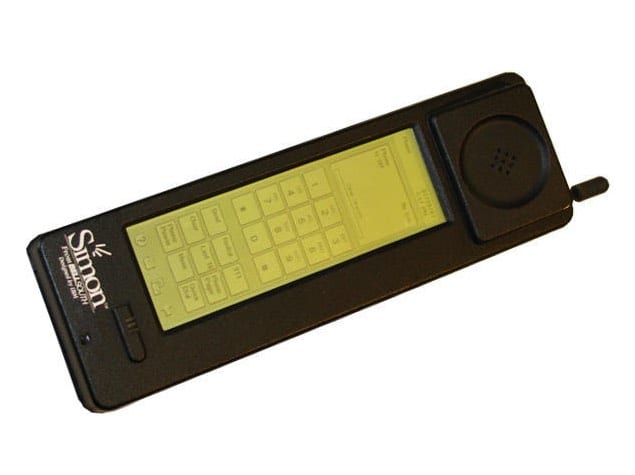
One of the first touchscreen phones was the IBM Simon, released in 1994. It combined phone and PDA features. The screen was small and monochrome, but it responded to finger taps and stylus input. Users could make calls, send faxes, and write notes. It was a major step toward modern smartphones.
Another early phone, the Nokia 7710, came out in 2004. It had a larger touchscreen and ran on Symbian OS. The screen allowed finger input without a stylus. It supported multimedia features like music and video playback. This phone showed that touchscreens could work well on mobile devices.
Pioneering Models Before Smartphones
Before smartphones, some devices used touchscreens but lacked advanced phone features. For example, the Apple Newton MessagePad in 1993 was a PDA with handwriting recognition. It had a touchscreen but no phone capabilities. It influenced later devices by introducing user-friendly touch input.
The PalmPilot series also used touchscreens in the late 1990s. These PDAs were popular for managing contacts, calendars, and notes. They used a stylus and simple gestures for navigation. These devices helped users get familiar with touchscreen controls.
These early models built the path for the first true touchscreen smartphone. They tested hardware and software ideas. They showed how people might use touchscreens daily.
The First Touchscreen Smartphone
The first touchscreen smartphone marked a big change in mobile technology. It combined a phone and a computer into one device. Users could tap, swipe, and use their fingers to control the phone. This made phones easier to use and more fun.
Touchscreen smartphones paved the way for today’s devices. They changed how people communicate, work, and play. Let’s explore the key features and the impact of this early innovation.
Key Features And Innovations
The first touchscreen smartphone had a simple design but smart features. It used a resistive touchscreen, which worked with a stylus or finger. The screen showed icons and menus instead of physical buttons. This made navigation smooth and quick.
It also had a small keyboard on the screen for typing messages. The device included basic apps like calendar, contacts, and email. It connected to the internet, letting users browse websites on the go. These features made the phone more useful than regular mobiles.
Launch And Market Impact
The first touchscreen smartphone launched in the early 1990s. It was not very popular at first because of high prices and slow internet. People were used to button phones and found touchscreens strange.
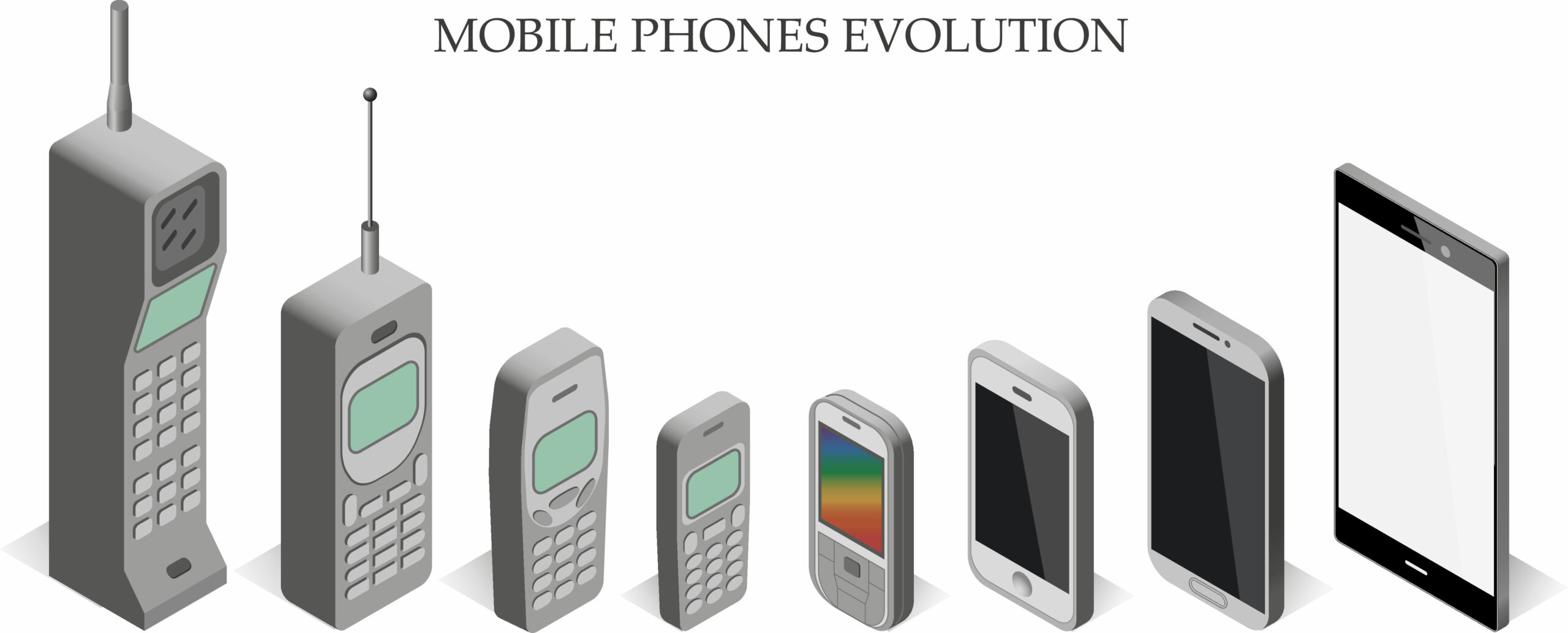
Over time, more companies made touchscreen phones with better technology. Prices dropped, and screens got bigger and clearer. This led to a big rise in smartphone use worldwide. The first touchscreen phone started a shift that changed mobile phones forever.

Credit: www.weforum.org
Evolution After The First Model
The first touchscreen smartphone marked a major step in mobile technology. After its launch, many changes followed. These changes improved how people use phones every day. The design and features of smartphones evolved quickly. This section explores key developments after the first model.
Advancements In Touch Technology
Touchscreens became more sensitive and accurate. Early phones used resistive screens that required pressure. Later, capacitive screens allowed touch with a light tap. Multi-touch technology emerged, enabling gestures like pinch and zoom. Screens grew larger and clearer for better viewing. These advances made phones easier to use and more fun.
Influence On Modern Smartphones
Modern smartphones rely heavily on touchscreens. They control almost all phone functions. Apps and games are designed for touch interaction. Touchscreens replaced physical keyboards and buttons. This shift changed phone shapes and sizes. The user experience became more intuitive and fast. Touch technology shaped how we communicate and work today.
Legacy And Future Trends
The first touchscreen smartphone marked a new era in technology. Its legacy shapes how people use phones today. The future holds exciting trends that will change our interaction with devices even more. Understanding this helps us see where mobile tech is headed.
How Touchscreens Changed Mobile Use
Touchscreens made phones easier to use. People no longer needed buttons or styluses. A simple tap or swipe works well. This change helped smartphones become popular worldwide. Apps and games grew because of touch controls. Communication became faster and more natural. Touchscreens also made screens bigger and clearer.
Emerging Touchscreen Innovations
New touchscreen technologies are appearing fast. Flexible and foldable screens offer more convenience. Some phones use pressure-sensitive touch for extra control. There are screens that work even with wet fingers. Gesture control lets users interact without touching. Future phones may include holographic or 3D touchscreens. These innovations aim to make devices smarter and easier to use.
Credit: techwireasia.com
Frequently Asked Questions
When Was The First Touchscreen Smartphone Invented?
The first touchscreen smartphone was invented in 1993. IBM introduced the Simon Personal Communicator, combining phone and PDA features with a touchscreen interface.
Who Created The First Touchscreen Smartphone?
IBM developed the first touchscreen smartphone, called Simon Personal Communicator. It was designed by Frank J. Canova and his team.
What Made The First Touchscreen Smartphone Unique?
The IBM Simon included a touchscreen for dialing, email, and apps. It was the first device to merge phone and PDA functions.
How Did The First Touchscreen Smartphone Impact Technology?
IBM Simon paved the way for modern smartphones by introducing touchscreen controls and app capabilities, influencing future device designs significantly.
Conclusion
The first touchscreen smartphone changed how we use phones today. It showed new ways to interact with technology. This device paved the path for many future models. Touchscreens are now common in phones worldwide. Knowing its history helps us appreciate modern phones more.
Technology keeps evolving, but that first step was key. It reminds us how small ideas can grow big. The story of the first touchscreen smartphone is inspiring. It teaches us to expect more from our devices.
As an Amazon Associate, I earn from qualifying purchases.