
Have you ever wondered who created the first smartphone? It’s easy to take this powerful device in your hand for granted.
But behind every tap and swipe is a story of innovation and vision. Knowing who made the first smartphone can change the way you see your own device. You’ll discover the surprising answer and learn how that invention shaped the world you live in today.
Keep reading—you won’t want to miss this fascinating history.
Early Mobile Technology
Early mobile technology laid the groundwork for the smartphones we use today. These early devices were basic and focused only on voice calls. They were large, heavy, and had limited battery life. Over time, innovations made mobile phones smaller and smarter.
Understanding the history of early mobile technology helps us see how smartphones evolved. It shows the steps taken to add features beyond calling. The journey from simple mobile phones to smart devices took many years and many changes.
From Mobile Phones To Smart Devices
Mobile phones started as simple tools to make calls on the go. The first models were bulky and expensive. As technology improved, phones became lighter and more portable. Text messaging was added, allowing users to send short messages.
Next came devices that could store contacts and calendars. These early smart features made phones more useful. The shift from calling to adding digital tools marked the start of smart devices. By the 1990s, some phones had basic internet access.
Key Innovations Leading To Smartphones
Several key innovations shaped the rise of smartphones. Touchscreens replaced buttons, making phones easier to use. The development of mobile operating systems allowed apps to run smoothly. Cameras were added, enabling users to take photos anywhere.
Wireless data networks improved, allowing faster internet on mobile devices. These changes combined to create devices that did much more than call. The first true smartphones appeared in the early 2000s, blending phone and computer functions.
Credit: simpletexting.com
The First Smartphone Launch
The launch of the first smartphone marked a major step in technology. It changed how people communicate and use devices daily. This moment began the journey of mobile phones becoming powerful tools beyond calls.
The first smartphone combined a phone with other features in one device. It opened new possibilities for users to manage tasks and stay connected.
Introducing Ibm Simon
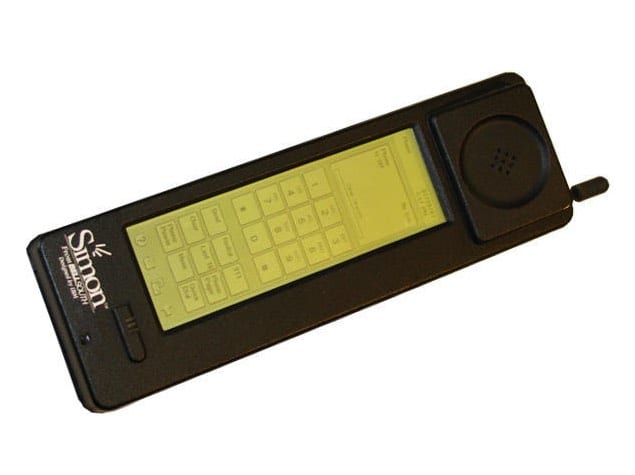
IBM Simon is recognized as the world’s first smartphone. It was introduced in 1992 and released to the public in 1994. IBM created Simon to offer more than just voice calls. It included tools for personal organization and communication.
The device had a touchscreen and allowed users to send emails. IBM Simon was designed to be a portable assistant for business people and tech enthusiasts.
Features That Set It Apart
IBM Simon had several features unusual for its time. It included a calendar, address book, and notepad. Users could also send and receive faxes, a rare ability then.
The touchscreen allowed for stylus input, making navigation easier. It combined phone functions with PDA tools in one device. These features made IBM Simon stand out from regular mobile phones.
The Inventors Behind The Device
The first smartphone did not appear by chance. It was the result of hard work by a team of inventors. These pioneers mixed ideas from computing and mobile phones. Their efforts changed how people communicate and use technology.
This section focuses on the people behind the first smartphone. It highlights the company and the key inventor who made this device a reality.
Ibm’s Role And Team
IBM played a major role in creating the first smartphone. The company had many skilled engineers and designers. They worked together to combine a phone with computing power. Their goal was to build a device that could do more than just calls.
The IBM team started the project in the early 1990s. They focused on adding features like email, calendar, and address book. These were basic tools for business users at the time. The team also worked on making the device small and easy to carry.
Contributions Of Frank J. Canova
Frank J. Canova was the lead engineer behind the first smartphone. He led the design and development of the device. Canova helped to create the IBM Simon, the first smartphone ever sold.
He combined ideas from different fields to make the device useful. Canova focused on user experience and practical features. His work laid the foundation for all smartphones that followed. The IBM Simon launched in 1994, marking a milestone in technology.
Impact On Mobile Technology
The first smartphone marked a big step in mobile technology. It combined a phone with a small computer. This change shaped how people use mobile devices today.
Mobile phones became more than just calling tools. They turned into devices for work, fun, and staying connected. The first smartphone set the path for this shift.
How The First Smartphone Changed Communication
Before the first smartphone, phones only made calls or sent texts. The new device added email and internet access. People could send messages faster and check information anytime.
This change made communication more flexible. People used phones for business and personal life. It helped users stay connected across distances easily.
Legacy In Modern Smartphones
Modern smartphones still follow the first phone’s design ideas. Touchscreens, apps, and internet use started with the first model. Today’s devices are faster but keep these basics.
Many features we use daily trace back to the first smartphone. It paved the way for apps, cameras, and mobile web access. Its impact shapes how smartphones grow and improve.
Controversies And Myths
The story of the first smartphone is full of debates and confusion. Many people argue about who made it first. Myths have grown around this invention over time. These controversies make it hard to know the truth.
Understanding these myths helps us see the real history. It also shows how technology changed step by step. Let’s look at some other claims and clear up common false ideas.
Other Claims To The First Smartphone Title
Many inventors and companies say they created the first smartphone. IBM made the Simon Personal Communicator in 1994. It combined phone and PDA features. Nokia released the Nokia 9000 Communicator in 1996, with email and internet access.
Some argue about earlier devices like the Palm Pilot. These had smart features but no phone. Others point to the Ericsson R380 from 2000. It had a touchscreen and mobile internet. Each claim has some truth but no single clear winner.
Clarifying Common Misconceptions
People often confuse the first smartphone with the first mobile phone. The earliest mobile phones only made calls and sent texts. They lacked apps or internet. Another myth is that the iPhone was the first smartphone. It was not the first but made smartphones popular.
Smartphones evolved slowly with many steps. No single device created the whole concept. Each new phone added useful features. Understanding this helps clear up the many myths around the first smartphone.
Credit: www.businessinsider.com
Evolution After The Pioneer
The first smartphone started a new era in communication technology. It combined a phone and a computer in one device. After this innovation, many changes shaped the smartphone world. These changes made phones smarter and more useful every year.
The journey after the first smartphone saw many brands enter the market. They competed to offer better features and designs. This competition led to rapid growth and new choices for users.
Rise Of Major Smartphone Brands
After the first smartphone, big brands emerged quickly. Companies like Apple, Samsung, and Huawei became leaders. Apple launched the iPhone, which changed phone design and use. Samsung focused on large screens and advanced cameras. Huawei pushed for better battery life and connectivity. These brands made smartphones popular worldwide. Each brand added unique features to attract buyers.
Technological Advancements Since The First Device
Smartphones improved with new technologies over time. Touchscreens replaced physical buttons for easier use. Cameras became sharper and added multiple lenses. Processors grew faster, making apps run smoothly. Mobile internet changed from slow 2G to fast 5G. Battery technology also improved, lasting longer each day. Voice assistants and facial recognition enhanced security. These advancements made smartphones more than just phones.
-min.jpeg)
Credit: www.textedly.com
Frequently Asked Questions
Who Invented The First Smartphone?
IBM engineer Frank J. Canova created the first smartphone in 1992. It was called IBM Simon and combined phone and PDA functions.
When Was The First Smartphone Released?
The first smartphone, IBM Simon, was released in 1994. It was the earliest device to combine calling and computing features.
What Features Did The First Smartphone Have?
IBM Simon featured a touchscreen, email, fax, calendar, and note-taking. It was a pioneering device merging communication and personal organization.
How Did The First Smartphone Influence Technology?
The IBM Simon set the foundation for modern smartphones. It introduced touchscreen and app concepts still used today.
Conclusion
The first smartphone changed how we connect and live daily. It started with vision and hard work by early inventors. Today’s phones owe much to those first ideas. Technology keeps growing, making phones smarter and faster. Understanding the first smartphone helps us appreciate today’s devices more.
The journey of the smartphone shows human creativity and progress. What will the future phones look like? Only time will tell. Meanwhile, we can enjoy the smart tools we use every day.
As an Amazon Associate, I earn from qualifying purchases.