
Have you ever stopped to wonder who created the smartphone you use every day? It’s easy to take this powerful device for granted, but behind your screen lies a fascinating story of innovation and vision.
Understanding who made the smartphone can change the way you see your connection to the world. Keep reading, and you’ll discover surprising facts that might just make you appreciate your phone even more. Your next scroll will never feel the same again.
Early Mobile Communication Devices
Before smartphones existed, people used simple devices to communicate over distances. These early tools laid the foundation for today’s mobile phones. They helped connect voices across cities and countries without wires.
Understanding these devices shows how technology grew step by step. Each invention added new features and improved how people stayed in touch. This story starts with radios and moves toward mobile phones.
From Radios To Mobile Phones
Radios first sent signals through the air. They allowed people to listen to news and music far away. Later, inventors wanted radios to carry voices, not just sounds.
In the early 20th century, mobile radio systems appeared. They helped police and emergency teams talk while moving. These radios were large and heavy but showed mobile communication was possible.
Mobile phones grew from these radios. They became smaller and easier to carry. The first true mobile phone called the Motorola DynaTAC. It was big but changed how people thought about communication.
Key Innovations In Early Devices
Early mobile devices needed strong signals to work. Inventors created networks of towers to send and receive calls. This system is called cellular technology.
Battery life was also important. Early phones used big batteries that lasted short times. Over years, better batteries made phones last longer.
Another innovation was miniaturization. Parts became smaller and more efficient. This change helped phones fit in pockets and hands.
These key steps made mobile phones practical. Without them, smartphones would not exist today.
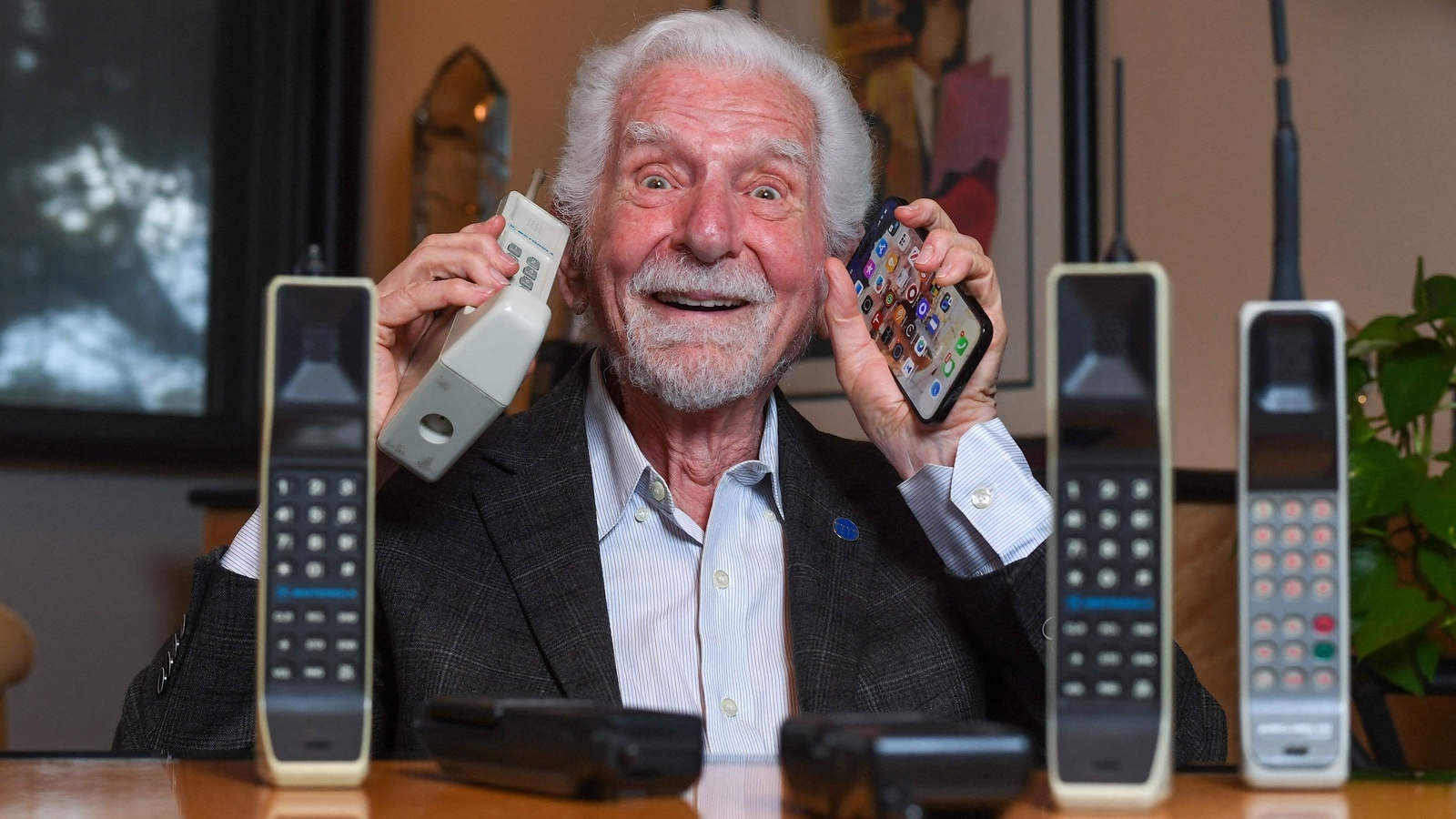
Credit: tech.hindustantimes.com
The Birth Of The Smartphone Concept
The idea of a smartphone started long before today’s devices. People wanted a tool that combined calling and computing. This new tool had to fit in a pocket and work on the go.
Early inventors dreamed of merging phone functions with smart technology. This dream set the stage for the first devices that had smart features.
First Devices With Smart Features
In the 1990s, some phones had basic smart features. These included calendars, address books, and simple games. They did not look like today’s smartphones but showed what was possible.
One early example is IBM’s Simon Personal Communicator. Released in 1994, it combined a phone with a touchscreen and apps. It was slow and heavy but marked a big step.
Combining Phone And Computing
The next challenge was to blend phone and computer functions smoothly. Developers worked on making devices faster and easier to use. They added email, web browsing, and better apps.
This effort led to the first real smartphones in the early 2000s. These devices looked more like modern phones and helped many people work from anywhere.
Key Innovators And Companies
The smartphone’s creation involved many inventors and companies. Each added ideas and technology that shaped today’s devices. Their work built the foundation for what we use daily.
These key innovators made important steps in design, software, and hardware. Their efforts gave us tools to call, text, and browse on the go. Let’s explore some of the main contributors to the smartphone’s history.
Ibm And The Simon Personal Communicator
IBM introduced the Simon Personal Communicator in 1994. It combined a phone and a PDA in one device. Simon had a touchscreen and could send emails and faxes. It was the first device called a “smartphone.”
Simon also had simple apps like a calendar and a notepad. The device showed that phones could do more than just calls. IBM’s early work set the stage for future smartphone designs.
Apple’s Revolutionary Iphone
Apple launched the iPhone in 2007. It changed how people use phones worldwide. The iPhone had a large touchscreen and an easy-to-use interface. It also introduced the App Store, expanding phone functions.
Apple focused on design and user experience. This made smartphones more accessible and popular. The iPhone pushed other companies to innovate faster.
Contributions From Other Tech Giants
Many tech companies helped develop smartphone technology. Nokia made durable phones with strong batteries and easy menus. BlackBerry created secure email systems for business users. Google developed Android, an open platform for many phone makers.
Samsung improved screen quality and hardware features. Microsoft tried to combine PCs and phones with Windows Mobile. Each company added pieces that shaped modern smartphones.
Technological Breakthroughs Enabling Smartphones
Smartphones did not appear overnight. Several key technologies made them possible. These breakthroughs changed how people use phones. They turned simple devices into powerful tools.
Touchscreens, operating systems, and wireless connections all had major roles. Each step helped create the smartphones we use today. Understanding these changes explains who created the smartphone.
Advances In Touchscreen Technology
Early phones used buttons for input. Touchscreens replaced buttons with a simple glass surface. Users could tap, swipe, and pinch to control the phone. Capacitive touchscreens made this possible. They sense the electrical charge from a finger. This tech improved speed and accuracy. Multi-touch gestures became natural and easy to use.
Mobile Operating Systems Evolution
Mobile operating systems control how phones work. Early phones had limited software options. New OS like iOS and Android offered more freedom. They allowed apps to run smoothly. Developers could create many new tools and games. This made phones more useful every day. Updates kept adding features and fixing problems.
Wireless Connectivity Improvements
Wireless technology connects phones to the internet and other devices. From 2G to 5G, each generation boosted speed and reliability. Faster data meant better web browsing and video calls. Wi-Fi and Bluetooth added more ways to connect. These changes helped phones become essential for communication and entertainment.
Impact Of The Smartphone On Society
The smartphone has changed many parts of our daily lives. It affects how we talk to each other, work, and enjoy free time. This small device fits in our pocket but holds great power. It connects people across the world in seconds. The impact on society is deep and wide. Many habits and industries have shifted because of smartphones.
Changing Communication Habits
Smartphones make talking easier and faster. People send messages, make calls, and share photos anytime. Social media apps help friends stay close, even far apart. Video chats bring faces to conversations. People now communicate in many new ways. Texting often replaces phone calls. This creates quick and short talks. The way we meet new people also changed. Online chats and apps help start friendships and relationships.
New Opportunities In Business And Entertainment
Smartphones open new doors for work and fun. Many jobs allow working from anywhere. Businesses use apps to reach more customers. Online shopping grows with mobile devices. Entertainment is always near, with music, videos, and games. People watch shows or listen to podcasts on the go. This easy access changes how people spend free time. Creators share their work worldwide through apps and social media.
Credit: www.businessinsider.com
The Future Of Smartphone Innovation
The future of smartphone innovation promises exciting changes. New ideas and technologies will shape how we use phones daily. Smartphones will not only connect us but also help in many new ways. These changes will improve speed, design, and user experience.
Let’s explore some emerging technologies and potential new features that may appear soon.
Emerging Technologies
Foldable screens are becoming more common. Phones will open like a book to show larger displays. This gives more space for work and play.
5G networks will grow stronger and faster. They will help phones load data almost instantly. This means smoother video calls and quicker downloads.
Artificial intelligence will improve phone functions. It can learn user habits and suggest helpful actions. AI will also improve camera quality and battery life.
Potential New Features And Designs
Phones may soon have better battery technology. Longer battery life means less charging during the day. Wireless charging will also become faster and easier.
Camera systems will continue to improve. More lenses and better sensors will create sharper images. Night mode and zoom features will get better too.
Designs will focus on durability and style. Water resistance and stronger glass will protect phones. Slimmer and lighter phones will feel better in hand.

Credit: www.inc.com
Frequently Asked Questions
Who Invented The First Smartphone?
The first smartphone was invented by IBM in 1992. It was called Simon Personal Communicator. It combined phone and PDA functions.
When Was The Smartphone First Created?
The first smartphone, IBM Simon, was created in 1992. It was released to the public in 1994.
How Did Smartphones Evolve Over Time?
Smartphones evolved from basic devices to advanced touchscreens. Innovations by Apple and Android shaped modern smartphones with apps and internet.
Who Are Key Innovators In Smartphone History?
Key innovators include IBM, Apple, and Google. IBM created the first smartphone, Apple popularized it, and Google advanced Android OS.
Conclusion
The smartphone’s creation involved many minds and years of work. Different inventors added parts that made the device useful. Today’s phones combine calling, internet, and apps in one tool. This invention changed how people connect every day. Understanding its history helps us appreciate the technology we use.
The story of the smartphone shows human creativity and progress. It keeps evolving with new ideas and features. The journey is ongoing, with more to come.
As an Amazon Associate, I earn from qualifying purchases.