
Have you ever wondered who invented the smartphone touchscreen you use every day? This simple glass surface has changed how you interact with your phone, making it easier, faster, and more fun.
But behind that smooth touch lies an incredible story of innovation and creativity. If you want to discover the surprising mind and breakthrough moments that made your touchscreen possible, keep reading. You’ll be amazed at how one invention reshaped the way you connect with the world.
Early Touchscreen Concepts
Touchscreen technology did not start with smartphones. It has a long history of development. Early ideas laid the groundwork for the devices we use today. Understanding these concepts helps us see how far the technology has come.
The journey began with simple touch detection methods. These early designs aimed to make interaction easier. They showed that screens could respond directly to fingers or tools.
Origins Of Touch Technology
The first touchscreens appeared in the 1960s. Engineers experimented with different ways to detect touch. One early method used a grid of wires. When touched, the screen sent signals to identify the location.
Another early design used light beams across the screen. Touching the surface broke the beams, signaling the exact spot. These inventions were basic but important steps.
Initial Applications Before Smartphones
Before smartphones, touchscreens served many purposes. They appeared in kiosks, ATMs, and industrial controls. These devices needed simple and reliable input methods.
Touchscreens replaced buttons and keyboards in some cases. They made machines easier to use and saved space. These early uses proved the value of touch input for many tasks.

Credit: www.weforum.org
Pioneers Behind Touchscreen Innovation
Touchscreen technology changed how we use devices today. Many smart minds worked hard to bring this idea to life. Their efforts shaped the modern smartphone. These pioneers built the base for touchscreens that respond to our fingers. Their inventions made devices more user-friendly and interactive.
Key Inventors And Researchers
Dr. E.A. Johnson created the first capacitive touchscreen in the 1960s. His work laid the groundwork for future touch devices. In the 1970s, Dr. George Samuel Hurst invented the resistive touchscreen. This technology responded to pressure from a finger or stylus.
Another important figure is Dr. Frank Beck. He worked on early touch input systems at CERN. These systems helped scientists control computers with simple touches. Later, the team at Bell Labs developed multi-touch technology in the 1980s. This allowed devices to detect more than one touch at once.
Breakthrough Developments In Touch Technology
The 1980s brought the first commercial touchscreen products. These used resistive and capacitive touch methods. The early 2000s saw a rise in smartphones using these technologies. Apple’s release of the iPhone in 2007 popularized capacitive multi-touch screens. This made touchscreens fast and accurate.
New materials and sensors improved touch sensitivity and durability. Advances in software made gestures like pinch and swipe possible. These steps helped touchscreens become a daily part of life. Each breakthrough brought touch technology closer to perfection.
Evolution Of Smartphone Touchscreens
The evolution of smartphone touchscreens is a story of constant improvement. Early devices used different methods to register touch. Over time, technology shifted to more user-friendly and accurate systems. This change made smartphones easier to use and more popular worldwide.
From Stylus To Finger Input
At first, touchscreens worked best with a stylus. The stylus helped users tap small icons and write on the screen. Devices like the Palm Pilot used this method. Using fingers was not accurate or reliable then.
Later, screens became sensitive enough to detect finger touch. This allowed tapping, swiping, and pinching directly with fingers. Finger input made smartphones faster and more natural to use. It opened new ways to interact with devices.
Advances In Capacitive And Resistive Screens
Two main types of touchscreens shaped early smartphones: resistive and capacitive. Resistive screens worked by pressure. They responded when the user pressed the screen with a finger or stylus. These screens were cheaper but less sensitive.
Capacitive screens used the body’s electrical charge to detect touch. They responded only to fingers, not stylus or gloves. Capacitive screens offered clearer images and smoother touch. Modern smartphones mostly use capacitive technology today.
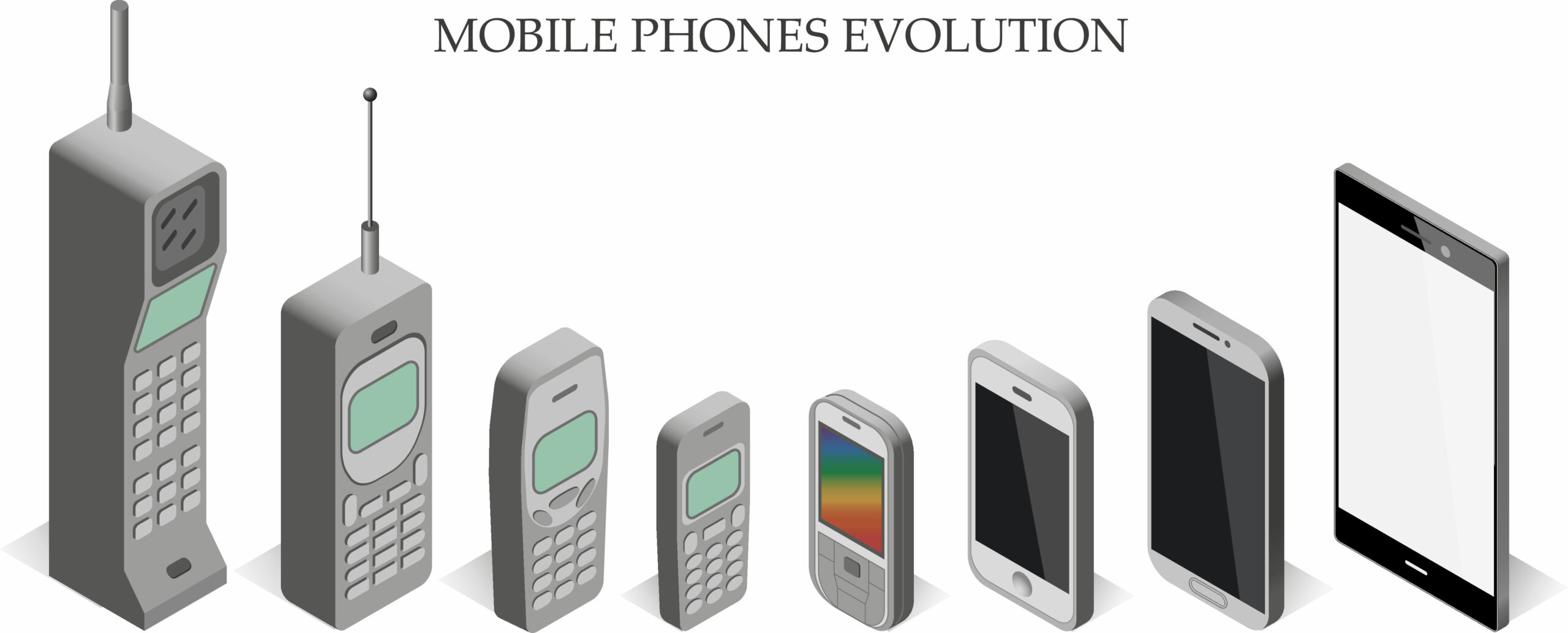
Credit: techwireasia.com
Major Milestones In Touchscreen Adoption
Touchscreen technology changed how people use phones. It made devices easier and faster to use. Many steps led to the popular touchscreen smartphones we have today.
These milestones helped improve the technology and made it more common. Each step showed new ways to interact with phones using just fingers.
First Touchscreen Smartphones
The first touchscreen phones appeared in the early 1990s. They used simple resistive screens that needed a stylus or firm touch. These phones were basic and slow but showed the potential of touch input.
In 2007, Apple launched the iPhone. It used a capacitive touchscreen that worked with light touches. This phone changed the market. It made touchscreens popular worldwide and set a new standard.
Influence Of Major Tech Companies
Big companies like Apple, Samsung, and Google pushed touchscreen tech forward. They invested in better screens and faster responses. Their designs made touchscreens more durable and accurate.
These companies also created apps and software that used touch in smart ways. Their work helped millions enjoy easy and fun phone experiences. The competition among them sped up touchscreen improvements.
Impact On Mobile Technology
The invention of the smartphone touchscreen changed mobile technology deeply. It moved phones from simple tools to smart devices. Touchscreens made phones easier to use and more helpful in daily life.
People could now interact directly with their screens. This changed how we use phones, apps, and communicate. The impact of touchscreen technology is clear in many ways.
Changing User Interfaces
Touchscreens replaced buttons and keyboards. Users tap, swipe, and pinch to control phones. This made devices more simple and fast to operate. Interfaces became visual and interactive. Icons and gestures took center stage. Apps could show more information in less space. The screen became the main way to navigate phones.
Shaping Modern Communication
Touchscreens helped create new ways to talk and share. Texting grew with virtual keyboards. Video calls became easy and common. Social media apps thrived on touch input. People connect instantly from anywhere. Touchscreens made phones personal and powerful tools. Communication shifted to being more visual and immediate.
Future Trends In Touchscreen Tech
The future of touchscreen technology looks very exciting. New ideas are changing how we use devices every day. Touchscreens will become smarter, faster, and more sensitive. These changes will make using phones and tablets easier and more fun.
Many new technologies are being developed. They aim to improve screen quality and user experience. These innovations will also help devices work better in different conditions. The touchscreen will not just respond to touch but also to gestures and pressure.
Emerging Innovations
Flexible screens will allow phones to bend and fold. This means bigger screens in smaller devices. Transparent touchscreens will be used in windows and mirrors. They will show information without blocking view. Haptic feedback will improve, giving a sense of touch through vibrations. Some screens will react to different finger pressures. This lets users draw or write with more control.
Potential Challenges Ahead
Battery life may suffer with more advanced touchscreens. More power is needed for new features and displays. Durability could be an issue for flexible screens. They might break or wear out faster than normal ones. Privacy concerns will grow with transparent and smart screens. Protecting user data will become more important. Cost might rise, making new touchscreens less affordable. Companies must find a balance between price and quality.
-min.jpeg)
Credit: www.textedly.com
Frequently Asked Questions
Who Invented The First Smartphone Touchscreen?
The first smartphone touchscreen was invented by IBM in 1992. Their Simon Personal Communicator combined phone and PDA features with a touchscreen interface.
What Technology Powers Smartphone Touchscreens?
Smartphone touchscreens use capacitive technology. It detects finger touch through electrical conductivity, enabling smooth and accurate interactions.
When Was The Touchscreen Smartphone Introduced?
The touchscreen smartphone debuted in 1994 with IBM Simon. It was the first device to combine a phone and touchscreen.
How Did Touchscreen Smartphones Evolve Over Time?
Touchscreen smartphones evolved with improved sensitivity, multi-touch features, and better displays. Apple’s iPhone in 2007 revolutionized the market with advanced capacitive touchscreens.
Conclusion
The smartphone touchscreen has a clear origin story. Early inventors like E. A. Johnson and companies like IBM played key roles. Their work shaped how we use phones today. Touchscreens make devices easy and fast to use. This simple idea changed technology forever.
Understanding who invented it helps us appreciate our daily tools. The touchscreen is now part of everyday life. It connects people and ideas in new ways. This invention continues to grow and improve.
As an Amazon Associate, I earn from qualifying purchases.