
Have you ever wondered why Sega, a giant in the gaming world, suddenly stopped making consoles? If you grew up playing classic games or are curious about the rise and fall of gaming legends, this question might have crossed your mind.
Understanding why Sega stepped away from console production isn’t just about nostalgia—it reveals important lessons about business, technology, and how your favorite games reach you today. Keep reading, and you’ll discover the surprising reasons behind Sega’s decision and what it means for gamers like you.
Sega’s Rise In The Console Market
Sega’s rise in the console market marked a key period in video game history. The company grew quickly and gained many fans worldwide. Sega became known for its bold moves and unique approach to gaming. This success helped shape the gaming industry for years.
Understanding Sega’s rise helps explain why it stopped making consoles later. The journey started strong but faced many challenges. Let’s explore how Sega made its mark in the console world.
Early Success With Genesis
Sega Genesis launched in 1988 and made a big impact. It was fast and had better graphics than many rivals. Gamers loved its speed and game choices. Sega used smart marketing to attract young players. This early success helped Sega become a major player.
Innovations And Popular Franchises
Sega created new ideas to keep players interested. They introduced Sonic the Hedgehog, a character who became very famous. Sonic games were fun and fast-paced. Sega also brought new features like blast processing. These innovations gave Sega a strong edge in gaming.
Competition With Nintendo And Sony
Sega faced tough rivals like Nintendo and Sony. Nintendo had popular games and loyal fans. Sony entered with the PlayStation, changing the market. Sega struggled to keep up with their strong offers. This competition made the console war very intense and difficult for Sega.

Credit: www.youtube.com
Challenges Faced By Sega
Sega was once a strong player in the video game console market. Many gamers loved its products. Yet, several challenges made it hard for Sega to keep up. These problems led to the company stopping console production. Understanding these challenges helps explain Sega’s journey in gaming history.
Each challenge affected Sega’s ability to compete with rivals. Problems with hardware, marketing, and management all played a role. Let’s explore these key issues.
Hardware Limitations
Sega’s consoles often faced technical problems. Some devices had weaker graphics and slower speeds than competitors. This made games less exciting for players. Also, Sega missed chances to improve hardware fast enough. Gamers chose systems with better performance and visuals. Hardware limits reduced Sega’s appeal in the market.
Marketing And Branding Issues
Sega struggled to keep a clear brand image. Its messages confused many customers. The company tried to be edgy but lost some family gamers. Advertising did not always reach the right audience. Competitors used simpler and stronger marketing strategies. This caused Sega to lose market share and recognition.
Management And Strategic Errors
Decisions by Sega’s leaders sometimes hurt the company. They launched products too quickly without enough testing. Some consoles did not have enough good games at launch. Sega also failed to build strong partnerships with developers. Poor choices in pricing and timing affected sales. These errors weakened Sega’s position in the console race.
The Dreamcast Era
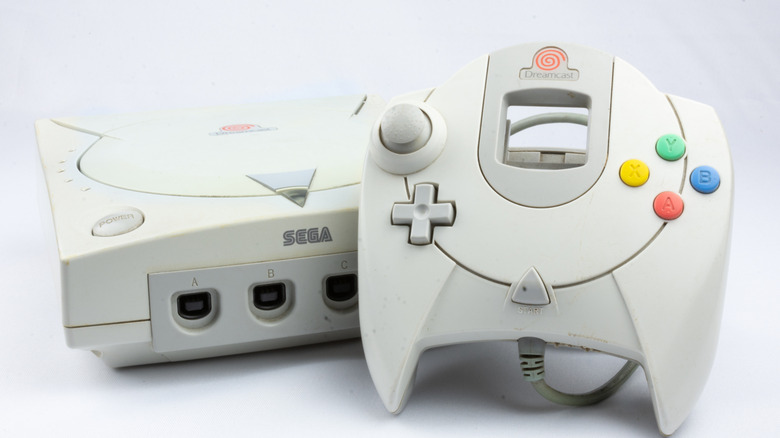
The Dreamcast marked Sega’s bold return to the console market. Released in 1999, it showed Sega’s commitment to innovation and quality. The console brought new ideas and technology to players worldwide. Many gamers still remember its unique features and game library.
Despite its promise, the Dreamcast faced many challenges. Sega’s past struggles and strong competitors made it hard to succeed. The Dreamcast era is key to understanding why Sega stopped making consoles.
Technological Advancements
The Dreamcast had several advanced features for its time. It offered online gaming before many other consoles. The built-in modem allowed players to connect and compete online easily.
Its graphics were impressive, pushing the limits of 3D gaming. The controller design was ergonomic and included a slot for memory cards and accessories. These features showed Sega’s focus on player experience and technology.
Critical Acclaim Vs Commercial Performance
Critics praised the Dreamcast for its innovation and game library. Titles like “Sonic Adventure” and “Shenmue” received high marks from reviewers. Fans enjoyed the creative and fresh gaming experiences the console offered.
Sales, however, did not meet expectations. The console struggled to attract a large audience. Many gamers waited for the next big console release instead. This gap between praise and sales hurt Sega’s position.
The Impact Of Playstation 2
The launch of PlayStation 2 in 2000 greatly affected the Dreamcast. The PS2 offered better hardware and a built-in DVD player. This feature attracted many customers looking for more than just games.
PlayStation 2’s large game library and strong marketing overshadowed Dreamcast. Sega found it difficult to compete against Sony’s growing dominance. This competition contributed to Sega’s decision to exit the console market.
Financial Struggles And Market Exit
Sega was once a major player in the video game console market. Over time, financial troubles hit the company hard. These struggles led Sega to stop making consoles. The company needed to rethink its strategy and focus on other areas. The exit from the hardware business marked a new chapter for Sega.
Declining Sales And Revenue
Sega’s console sales dropped sharply in the late 1990s and early 2000s. The Dreamcast, their last console, did not sell well. Many gamers preferred competitors like Sony’s PlayStation and Nintendo. The low sales caused big losses. Revenue from console hardware fell below expectations.
Shift To Software Development
After the hardware losses, Sega focused on making games. Software development became the main business. This change helped Sega stay alive in the gaming world. They created games for other consoles instead of their own. The move reduced risks and costs for the company.
Official Announcement To Leave Hardware
In 2001, Sega officially announced it would stop making consoles. This decision surprised many fans and industry experts. The company decided to fully support game software and online services. Leaving hardware allowed Sega to focus on creating new game experiences.
Legacy Of Sega Consoles
Sega consoles left a strong mark on the world of gaming. Even though Sega no longer makes consoles, their impact still shows today. Their systems changed how people play and think about video games.
The legacy of Sega consoles lives on through their influence, fans, and role in modern gaming.
Influence On Gaming Industry
Sega pushed new ideas in hardware and software. They helped popularize 16-bit graphics with the Genesis. Their arcade-style games brought fast action to homes. Many developers learned from Sega’s bold designs. This shaped future games and consoles worldwide.
Cult Following And Nostalgia
Fans still love Sega’s classic consoles and games. Retro players collect old systems like the Dreamcast. Online groups share memories and gameplay tips. Nostalgia keeps Sega alive in gaming culture. Their characters and titles remain popular today.
Current Role In Gaming
Sega now focuses on making games, not consoles. They produce hits for many platforms. Sega’s experience helps create unique gaming experiences. They support their classic games with remasters and collections. This keeps their legacy strong in modern gaming.
Credit: www.slashgear.com
Credit: www.reddit.com
Frequently Asked Questions
Why Did Sega Exit The Console Market?
Sega stopped making consoles due to financial losses and intense competition. Poor sales of the Dreamcast hurt their revenue. They shifted focus to software development and licensing instead of hardware manufacturing.
What Caused Sega’s Dreamcast Failure?
The Dreamcast faced strong rivals like Sony’s PlayStation 2. Limited third-party support and weak marketing also contributed. These factors led to disappointing sales and Sega’s decision to leave console production.
Did Sega Make Profits From Software After Consoles?
Yes, Sega became profitable by focusing on game development. They licensed popular franchises to other platforms. This strategy helped Sega remain relevant in the gaming industry without hardware risks.
Could Sega Return To Making Consoles?
While possible, Sega currently focuses on software and licensing. The high cost and risk of console production deter them. Their future hardware plans remain uncertain but unlikely soon.
Conclusion
Sega stopped making consoles due to tough competition and financial losses. Their hardware could not keep up with rivals like Sony and Nintendo. Sega shifted focus to software and game development instead. This change helped them survive in the gaming world.
Fans still remember Sega’s classic consoles with fondness. The company’s legacy lives on through popular game titles. Sega’s story shows how businesses must adapt to change. It also reminds us that success is not always about hardware. Sometimes, the best choice is to focus on strengths.
As an Amazon Associate, I earn from qualifying purchases.

