
Have you ever wondered why many autistic people often wear headphones? It’s more than just a fashion choice or a way to listen to music.
For someone on the autism spectrum, wearing headphones can be a powerful tool to manage overwhelming sounds and create a sense of calm. If you want to understand the real reasons behind this habit and how it helps, keep reading.
This simple insight could change the way you see and support those around you.
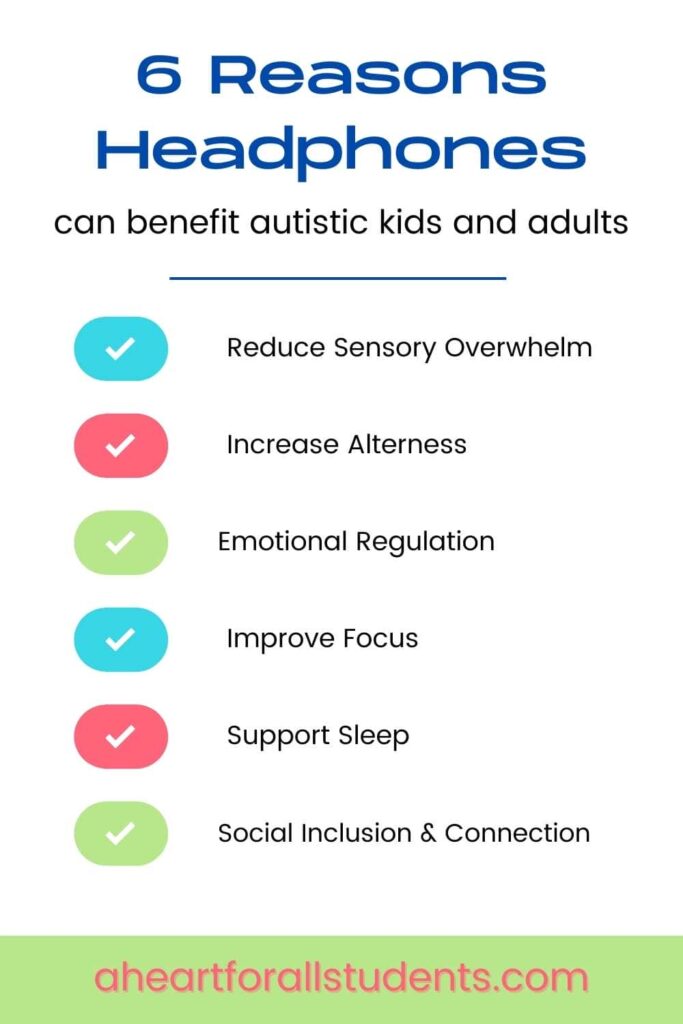
Credit: aheartforallstudents.com
Sensory Sensitivities In Autism
Many autistic people experience the world differently. Their senses can feel too loud, bright, or overwhelming. This is called sensory sensitivity. It affects how they react to sounds, lights, and touch. Headphones help manage these feelings by controlling noise and creating calm.
Common Sensory Challenges
Autistic individuals often face challenges with their senses. Sounds that others ignore may seem very loud or sharp to them. Bright lights can cause discomfort or pain. Some textures or smells might feel unbearable. These sensory issues can make daily life hard to handle.
Impact Of Noise Overload
Noise overload happens when many sounds happen at once. It can cause stress, anxiety, or even physical pain. Loud or sudden noises may trigger a strong reaction. Wearing headphones helps reduce noise and create a quiet space. This can help autistic people stay focused and calm.
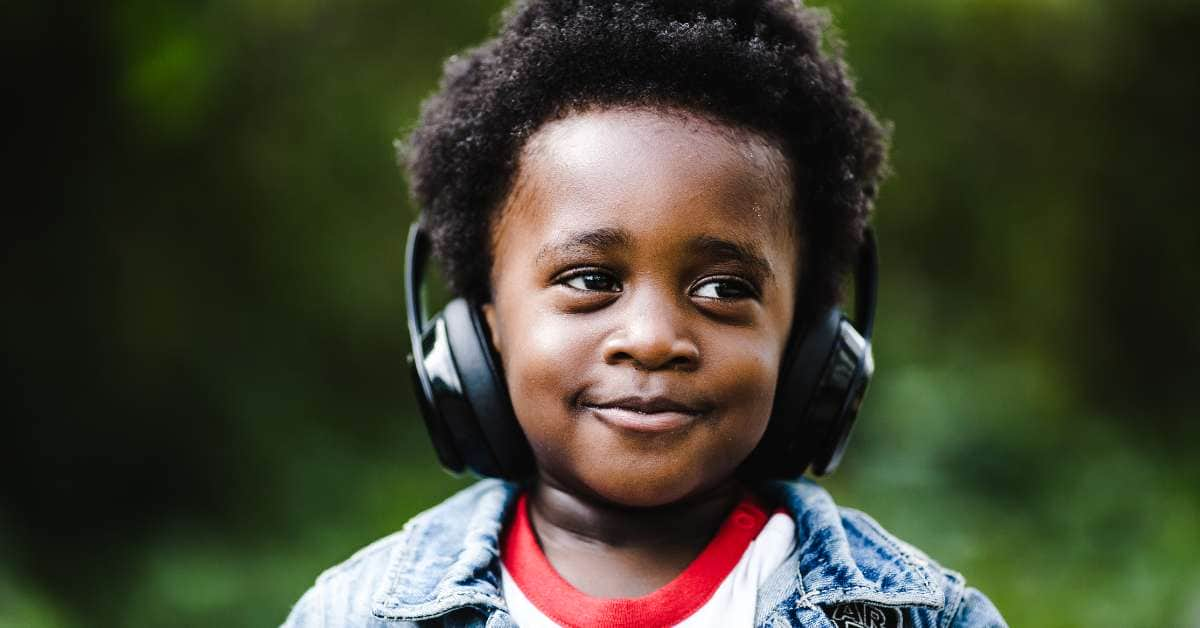
Credit: aheartforallstudents.com
How Headphones Help
Many autistic people use headphones to manage their sensory environment. Headphones offer a way to control sound and reduce stress. They help create a calm space, even in noisy places.
Wearing headphones can make daily life easier. They block out overwhelming noise and provide comfort. This simple tool supports focus and relaxation.
Noise Reduction Benefits
Headphones reduce loud and sudden noises. These noises can cause anxiety or discomfort for autistic people. By lowering background sounds, headphones help the brain relax. This makes it easier to stay calm and focused.
Noise reduction also protects sensitive ears. Some autistic people hear sounds more loudly than others. Headphones soften these sounds and create a peaceful environment. This helps avoid sensory overload and stress.
Creating A Personal Sound Space
Headphones create a personal sound space in busy areas. This space feels safe and controlled. People can listen to music or white noise to stay calm. It helps them feel less overwhelmed by the outside world.
This personal sound space allows better concentration. It blocks distractions and makes social settings easier. Headphones give a sense of control over the environment. This small change can improve comfort and well-being.
Emotional Comfort And Focus
Many autistic people wear headphones for emotional comfort and better focus. Headphones help create a calm space. They reduce overwhelming noises and distractions. This helps manage feelings and stay attentive in busy places.
Reducing Anxiety With Sound Control
Headphones block loud or sudden sounds. These sounds can cause stress or panic. Controlling noise helps lower anxiety levels. It makes noisy environments easier to handle. Soft music or white noise inside headphones can soothe the mind. This sound control gives a sense of safety and calm.
Enhancing Concentration
Headphones help focus on tasks without interruptions. They create a quiet bubble around the wearer. This quiet helps the brain work better. It reduces distractions from background noises or chatter. Listening to familiar sounds can improve attention. This makes learning, working, or relaxing easier and more effective.
Types Of Headphones Used
Autistic people often use headphones to manage sensory overload. Different types of headphones serve different needs. Some focus on blocking noise. Others offer comfort and gentle pressure. Understanding these options helps explain why headphones matter.
Noise-cancelling Headphones
Noise-cancelling headphones reduce background sounds. They create a quiet space by blocking loud noises. This helps autistic people stay calm in noisy places. These headphones use technology to cancel out sound waves. They are lightweight and easy to wear for long times.
Weighted And Sensory-friendly Designs
Weighted headphones add gentle pressure to the head. This pressure can feel soothing and help with focus. Sensory-friendly designs use soft materials to avoid irritation. These headphones reduce discomfort from tight bands or hard edges. They combine comfort with noise reduction for better support.
Social And Practical Considerations
Many autistic people use headphones for social and practical reasons. These devices help manage their environment and interactions. Headphones can reduce stress and improve focus in busy or noisy places. They also send signals to others without words. Understanding these reasons helps us respect their needs better.
Signaling Boundaries To Others
Headphones often show a clear sign: “Please do not disturb.” This helps autistic people set personal limits. It tells others they need space or quiet time. This nonverbal cue can prevent uncomfortable social interactions. It creates a simple way to protect their energy and emotions.
Use In Different Environments
Autistic people use headphones in many places. Crowded streets or loud classrooms can feel overwhelming. Headphones lower background noise and calm the senses. They also help focus on tasks or conversations. This makes daily life easier and less stressful.
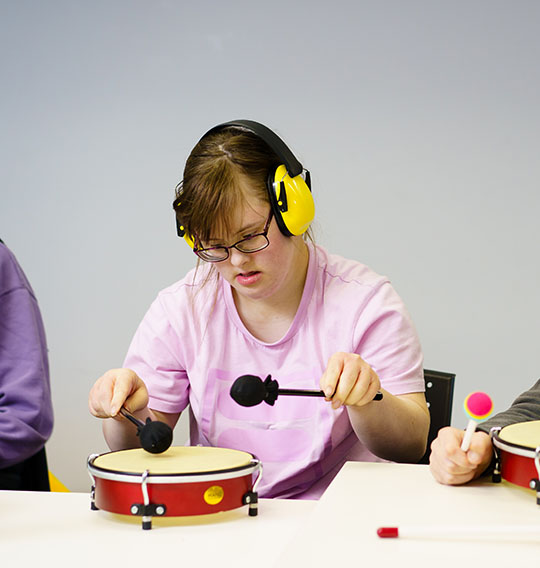
Credit: www.personalisedsupports.com.au
Additional Benefits Beyond Noise Control
Headphones do more than just block noise for autistic people. They offer several other helpful benefits. These benefits support emotional and physical well-being in everyday life. Wearing headphones can improve mood and focus beyond just reducing sound.
Music Therapy Effects
Music can calm the mind and body. Many autistic people use headphones to listen to music that soothes them. Music helps reduce stress and anxiety. It can also improve mood and create a sense of comfort. Listening through headphones makes the experience more personal and immersive. This focus on music supports emotional balance and mental health.
Improved Sleep And Relaxation
Headphones help with better sleep by playing soft sounds or white noise. These sounds block distracting noises that can interrupt rest. For many autistic individuals, this creates a peaceful environment. Relaxation becomes easier, and falling asleep happens faster. Consistent sleep improves overall health and daily energy. Using headphones for relaxation supports calmness and reduces tension.
Frequently Asked Questions
Why Do Autistic People Prefer Wearing Headphones?
Autistic people wear headphones to reduce overwhelming sensory input. Headphones help block loud or distracting noises, creating a calming environment. This aids focus and reduces anxiety in noisy or busy places.
How Do Headphones Help With Sensory Overload?
Headphones limit exposure to excessive sounds that trigger sensory overload. They create a controlled auditory space, making it easier to manage stress. This helps autistic individuals feel safer and more comfortable in challenging environments.
Are Noise-canceling Headphones Better For Autistic People?
Yes, noise-canceling headphones are often preferred. They actively reduce background noise, providing more effective relief from sensory overload. This enhances concentration and emotional regulation for many autistic users.
Can Headphones Improve Social Interactions For Autistic Individuals?
Headphones can improve social interactions by reducing anxiety linked to noise. When sensory input is managed, autistic people may feel more relaxed and focused. This can lead to better communication and engagement.
Conclusion
Autistic people wear headphones to feel calm and block loud sounds. Headphones help reduce stress and make busy places easier. They provide comfort and control over noise. This small tool can improve focus and mood. Everyone’s needs are different, so headphones help in unique ways.
Understanding this helps us support and respect them better. Simple actions can make a big difference every day.
As an Amazon Associate, I earn from qualifying purchases.

