
Have you ever noticed a small chip or crack on your car’s windshield and wondered if it’s something you can ignore? What if that tiny damage could turn into a big problem, costing you more time and money?
Your car glass is more than just a window—it protects you, keeps you safe, and helps your vehicle stay strong. Knowing when and how to get car glass repair can save you from unexpected expenses and keep your ride looking great.
Keep reading to discover simple, effective ways to fix your car glass before a small issue becomes a major hassle.
Common Types Of Car Glass Damage
Car glass damage can happen in many ways. Understanding common types helps you spot problems early. Quick action can prevent bigger damage and save money.
Chips And Cracks
Chips are small spots where glass has been hit. They often look like tiny dents. Cracks are longer lines that spread from chips. Both can grow bigger over time.
Windshield Bullseye
This damage looks like a round target. It has a dark center with circles around it. Bullseyes happen from stones or debris hitting glass fast.
Star Breaks
Star breaks have many cracks spreading out like a star. They usually start from one point of impact. These breaks weaken the glass structure a lot.
Edge Cracks
Edge cracks start at the glass edge. They can grow quickly due to stress from driving. These cracks often require fast repair or replacement.
When To Repair Vs Replace
Deciding between repairing or replacing car glass depends on several factors. Understanding these can save time and money. It also keeps you safe on the road. This section breaks down key points to help you choose the right option.
Size And Location Considerations
Small chips and cracks often qualify for repair. Usually, damage smaller than a dollar bill can be fixed. Large cracks or multiple cracks typically need replacement. Damage near the edges of the windshield is risky. It can weaken the glass and cause more damage. Cracks directly in the driver’s line of sight also require replacement. Repairs there may leave distortions that affect vision.
Safety Implications
The windshield supports the roof during a rollover crash. A damaged windshield might fail in an accident. Repairing small chips keeps the glass strong and clear. Large cracks can spread and impair safety. Replacing severely damaged glass restores full protection. Safety should be the top priority in every decision.
Cost Differences
Repairing glass costs less than replacing it. Repairs are quicker and use fewer materials. Replacement involves removing and installing new glass. This process takes more time and labor. Insurance often covers repairs fully, with low or no deductible. Replacement might require higher out-of-pocket costs. Choosing repair saves money when possible.
Diy Repair Tips
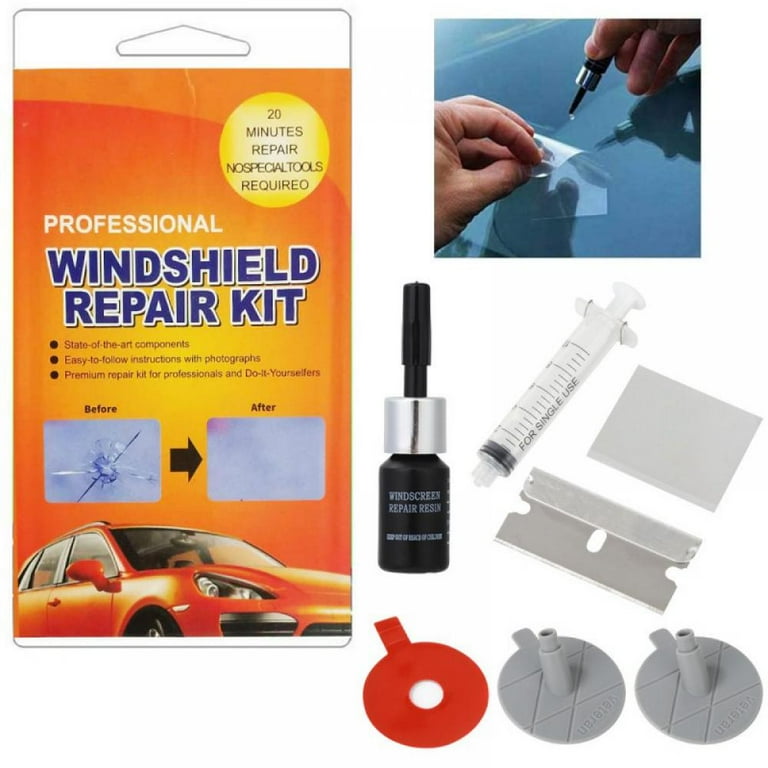
Fixing minor car glass damage yourself saves time and money. Small chips and cracks can worsen if ignored. Simple repairs often restore safety and clarity. Follow clear steps and use the right tools. Stay careful to avoid further damage or injury.
Tools You’ll Need
Gather these before starting repair work:
- Windshield repair kit
- Safety gloves and glasses
- Clean cloth or paper towels
- Razor blade or plastic scraper
- Glass cleaner
- Pin or needle for removing loose glass
Step-by-step Repair Process
Start by cleaning the damaged area with glass cleaner. Dry it well using a cloth.
Use a needle to remove any loose glass pieces gently.
Follow the kit instructions to apply resin into the chip or crack.
Use the razor blade to spread the resin evenly.
Let the resin cure under sunlight or a UV lamp for the suggested time.
After curing, scrape off excess resin carefully to make the surface smooth.
Safety Precautions
Wear gloves and safety glasses during repair. Avoid touching resin with bare skin.
Do repairs in a well-ventilated area. Resin fumes can irritate lungs.
Do not attempt repairs on large cracks or shattered glass.
Stop and seek professional help if damage worsens or repair fails.
Credit: www.walmart.com
Choosing Professional Repair Services
Choosing professional repair services for car glass is important. A skilled technician can fix chips and cracks quickly and safely. Poor repair can cause more damage or reduce your car’s safety. Trusting the right expert protects your investment and your driving experience.
Professional services use proper tools and quality glass. They follow safety rules to keep your vehicle strong. Knowing what to check before hiring helps you find the best help for your car glass repair.
What To Look For In A Technician
Choose a technician with proper training and experience. Certification shows they know the correct repair methods. Check if they work with your car’s make and model. Read reviews to see if past customers are happy. A good technician uses modern tools and safe materials.
Questions To Ask Before Service
Ask about the repair process and how long it takes. Inquire if they use original or high-quality replacement glass. Find out if the repair will affect your car’s warranty. Confirm the total cost and if it includes any extra fees. Check if the shop handles insurance claims for you.
Warranty And Guarantees
Reliable repair shops offer warranties on their work. This protects you if the repair fails or cracks return. Understand the terms and length of the warranty. Guarantees show the shop trusts their service quality. Never accept repairs without some form of guarantee.
Cost-saving Strategies
Car glass repair can be costly if not managed wisely. Smart cost-saving strategies help protect your wallet. Knowing your options lowers repair expenses and keeps your car safe. Small steps add up to big savings over time.
Insurance Coverage Options
Many insurance plans cover car glass repair. Check your policy for glass damage coverage. Some policies offer full repair without a deductible. Others may require a small fee. Knowing your coverage helps avoid unexpected costs.
Promotions And Discounts
Repair shops often run promotions to attract customers. Seasonal discounts or special offers can reduce prices. Ask about discounts for first-time customers or multiple repairs. Some shops offer price matching to stay competitive. Always inquire about current deals before booking.
Preventive Maintenance
Keeping your windshield clean prevents chips and cracks. Avoid driving behind large trucks on gravel roads. Park in shaded or covered areas to protect glass from heat damage. Small cracks grow quickly without care. Early repair stops bigger, more expensive problems.

Credit: www.ebay.com
Preventing Future Damage
Preventing future damage to your car glass saves time and money. It keeps your vehicle safe and looking good. Taking small steps daily helps protect your windshield and windows from cracks and chips. These simple habits extend the life of your car glass and improve your driving experience.
Safe Driving Tips
Drive carefully to avoid hitting rocks or debris on the road. Keep a safe distance from other vehicles. This reduces the chance of stones flying at your windshield. Avoid sudden stops or sharp turns that can stress the glass. Slow down on rough or gravel roads to prevent chips.
Proper Parking Habits
Park your car in shaded or covered areas. This protects glass from extreme heat that can weaken it. Avoid parking under trees where falling branches or sap can damage the glass. Choose spots away from busy roads to reduce risk from passing traffic. Secure your car to prevent vandalism or accidental damage.
Regular Glass Care
Clean your car glass often with gentle, non-abrasive cleaners. Dirt and grime can scratch the surface if left too long. Check for small chips or cracks regularly. Repair minor damage quickly before it spreads. Use proper tools to clear ice and snow, avoiding sharp objects that can harm the glass.

Credit: www.safelite.com
Frequently Asked Questions
What Types Of Car Glass Damage Can Be Repaired?
Small chips, cracks under 6 inches, and bullseyes can usually be repaired. Larger or complex damage requires replacement.
How Long Does Car Glass Repair Usually Take?
Most repairs take 30 to 60 minutes, depending on damage size and location. Fast service minimizes inconvenience.
Will Car Glass Repair Affect My Insurance Premium?
Many insurers cover repairs with no premium increase. Check your policy details for specific coverage and terms.
Can I Drive Immediately After Car Glass Repair?
Yes, you can usually drive right after repair. However, avoid heavy impacts and extreme temperature changes for 24 hours.
Conclusion
Car glass repair keeps your vehicle safe and road-ready. Small chips can turn into big cracks quickly. Fixing damage early saves money and time. Clear glass helps you see better while driving. Choose trusted repair services to get quality work.
Regular checks prevent unexpected problems on the road. Protect your car and yourself with timely repairs. Don’t ignore damage; act before it worsens. Safe driving starts with good car glass condition.
As an Amazon Associate, I earn from qualifying purchases.